
By Plumber in Fraser, MI, Fraser, MI · Published · Last updated
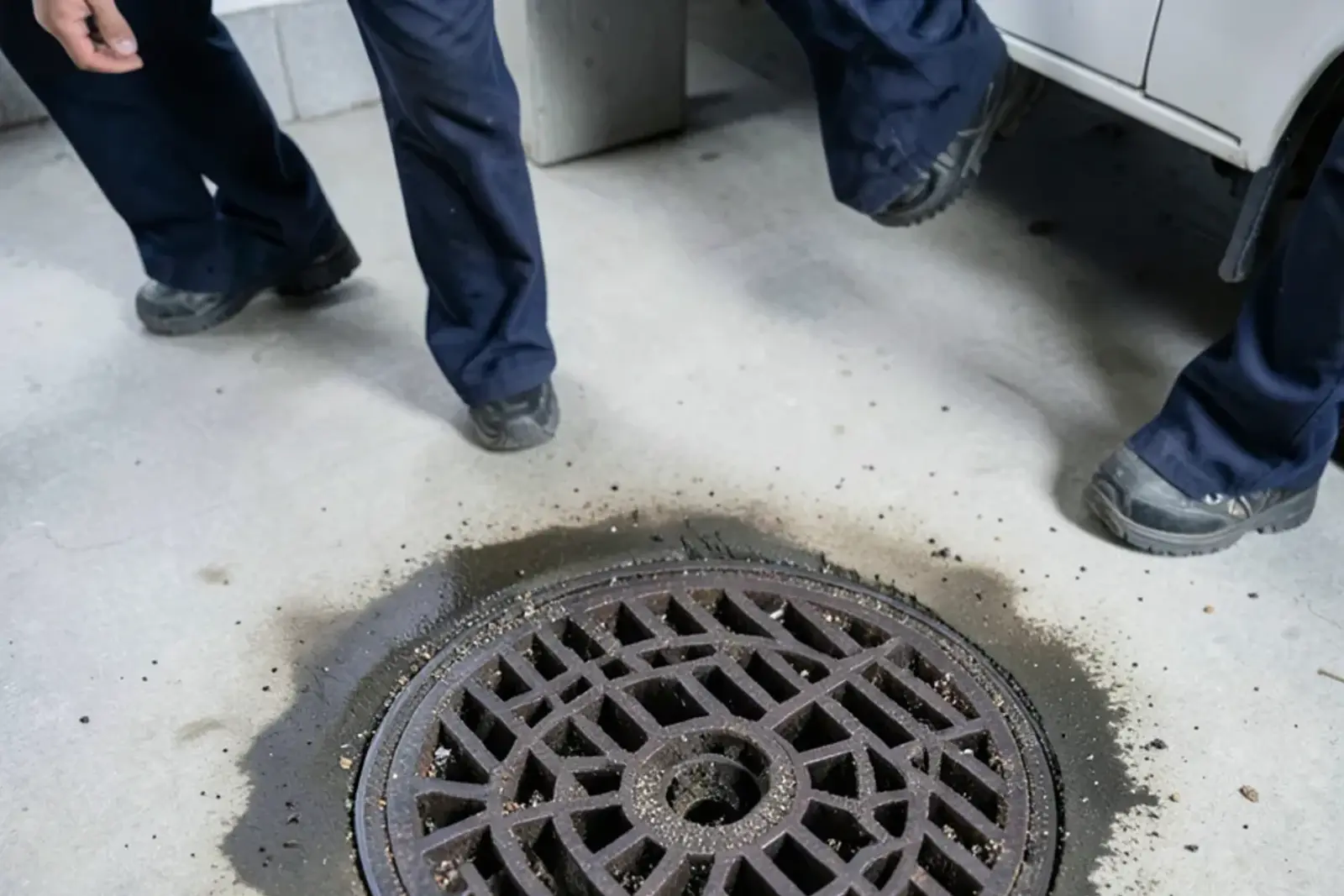
A basement floor drain backing up when it pours tells you where your water is going, or where it can't go. That drain sits at the lowest point of your house's sewer system. When the pipe beyond it is full, water rises until it finds an opening, and the floor drain is usually the first one it finds.
Where that water is actually coming from
In most Fraser-area basements, the floor drain is connected to the building drain under the slab, which runs out to the sewer lateral and then to the public sewer under the street. It's a one-way street until the far end fills up.
Two things can fill it. The first is your own lateral, if it's partly blocked by roots, grease, a sag, or a cracked section. That pipe might carry everyday flow just fine and choke when extra water arrives. The second is the public sewer, which can surcharge in a heavy storm when rain and groundwater get into it faster than it can carry the flow away. When the main surcharges, water backs up the laterals of every house on it, and the lowest openings in those houses take the water.
Why it happens in southeast Macomb when it pours
Storm intensity is the trigger. On August 11, 2014, the National Weather Service in Detroit recorded 4 to 6 inches of rain over about four hours across Wayne, southern Oakland and Macomb counties, Detroit Metro Airport logged 4.57 inches, a record for the date. Sewers in older suburbs aren't built to carry rain at that rate, and basements across the area took the overflow.
The sewer system here is old in places, too. Macomb County Public Works runs combined sewer overflow reduction programs in the county's southeast drain districts, and some of its retention treatment basins date to the late 1960s. Basins like those hold storm-swollen flow so less of it overflows. They don't change what happens inside a lateral that's already cracked or full of roots.
If you want to know how much rain your neighborhood got in a storm, Macomb County's rainfall reports come from county rain gauges that record every five minutes. Matching your backup to a rainfall total helps separate a sewer that couldn't keep up with a rare storm from a lateral that fails in ordinary rain.
Read the water before you clean it up
What you see on the floor narrows down the cause. This table is a starting point, not a diagnosis.
| What you see | Most likely source | What to check |
|---|---|---|
| Gray or brown water with a sewage smell, rising from the drain | Public sewer surcharge or a blocked lateral | Camera inspection of the lateral; ask neighbors if they had the same |
| Clear water seeping where the wall meets the floor | Groundwater around the foundation | Sump pump, footing drains, grading and downspouts |
| Drain gurgles or backs up when the washer drains, rain or not | Partial clog in the building drain or lateral | Drain cleaning, then a camera to see why |
| Water only in heavy storms, every time, on a dry lateral | Sewer main surcharge reaching your house | Backwater valve on the building drain |
| Clear water rising up through the floor drain | Footing drains tied into the drain under the slab | Trace where the footing drains go |
What to do while it's coming up
- Stop using water. Every flush, shower and load of laundry adds to the backup in your own basement.
- Stay out of standing water if it's near outlets, the furnace or the electrical panel.
- Take photos and video of the water, the drain, and anything damaged.
- Once it drains back down, clean the floor with a disinfectant and throw out soaked cardboard and porous items that touched sewage.
What we find under Fraser basement floors
About 63% of Fraser's houses were built between 1950 and 1979, and the drain layouts from those decades explain a lot of storm-night backups.
Footing drains tied into the sanitary side
In many 1950s and 1960s houses, the weeping tile around the footing was piped into the floor drain or the building drain under the slab. That means every heavy rain feeds groundwater straight into the sewer from below. Fraser's code now bars footing drains, weep tile and downspouts from the sanitary sewer (Sec. 31-111 to 31-114) and wants that water pumped to the storm sewer instead. When clear water comes up the floor drain in a storm, this connection is the first thing to trace.
Crock laterals and the stretch under the street
The lateral to the main is often clay tile, the "crock" in Fraser's own fee schedule, joined to cast iron near the house. Roots find the clay joints. The city's lateral handout puts the whole line on the owner, including the part under the public right-of-way, and suggests an inspection every 5 to 10 years. A camera run that stops at the property line only shows half of it, so ask for the footage to reach the main.
A backwater valve comes with trade-offs
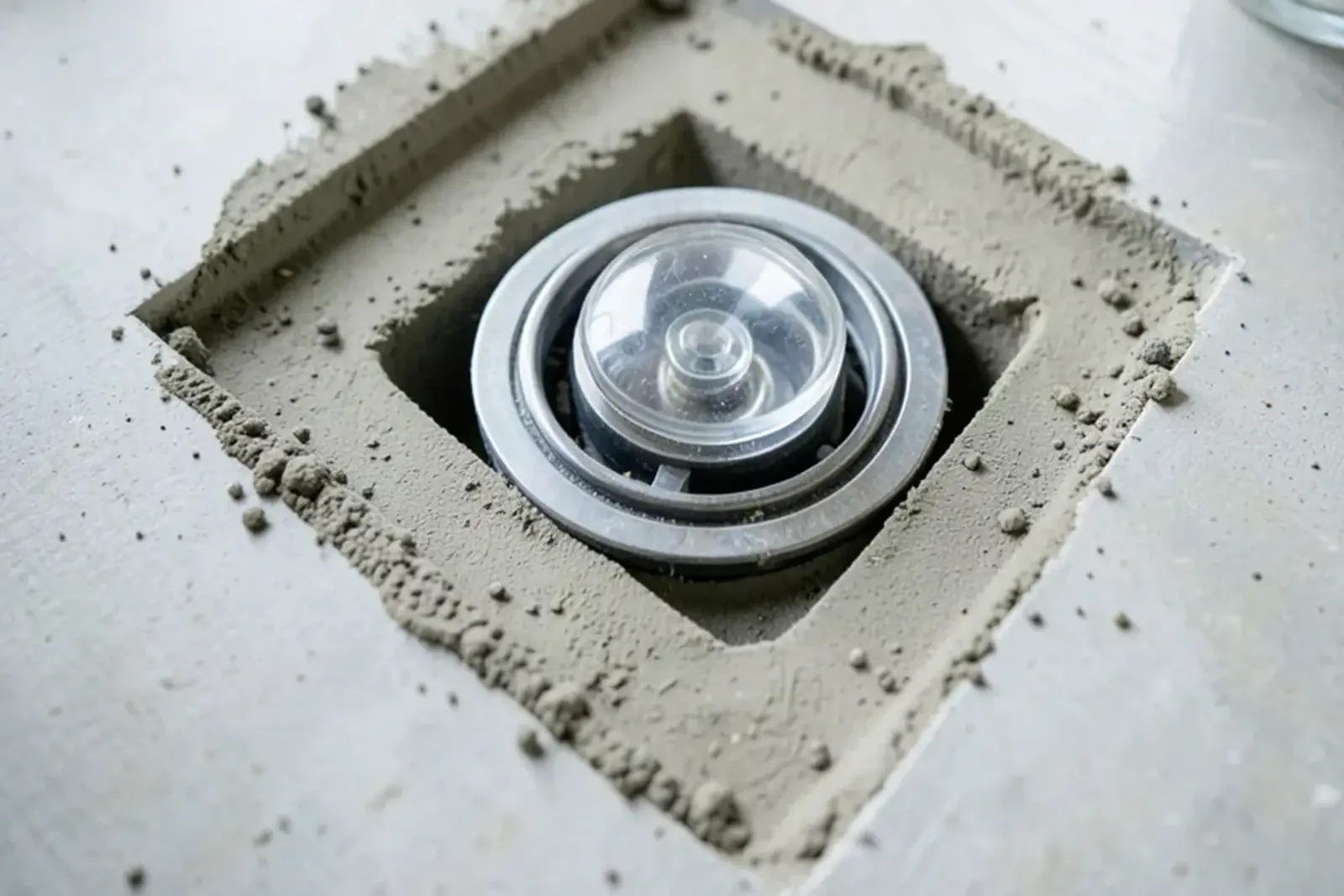
For a lot of these houses a backwater valve is the right fix, but go in knowing what it involves. It's cut into the building drain under the slab, so concrete comes out. The code says it has to stay accessible (P3008.5), and a flap that's never checked can stick open with debris. While it's closed during a surcharge, your own drains have nowhere to go, so a load of laundry ends up on your basement floor. Fixtures above the street manhole aren't supposed to drain through it at all, which is why some installs protect only the basement branch.
Fixes that hold up after the next storm
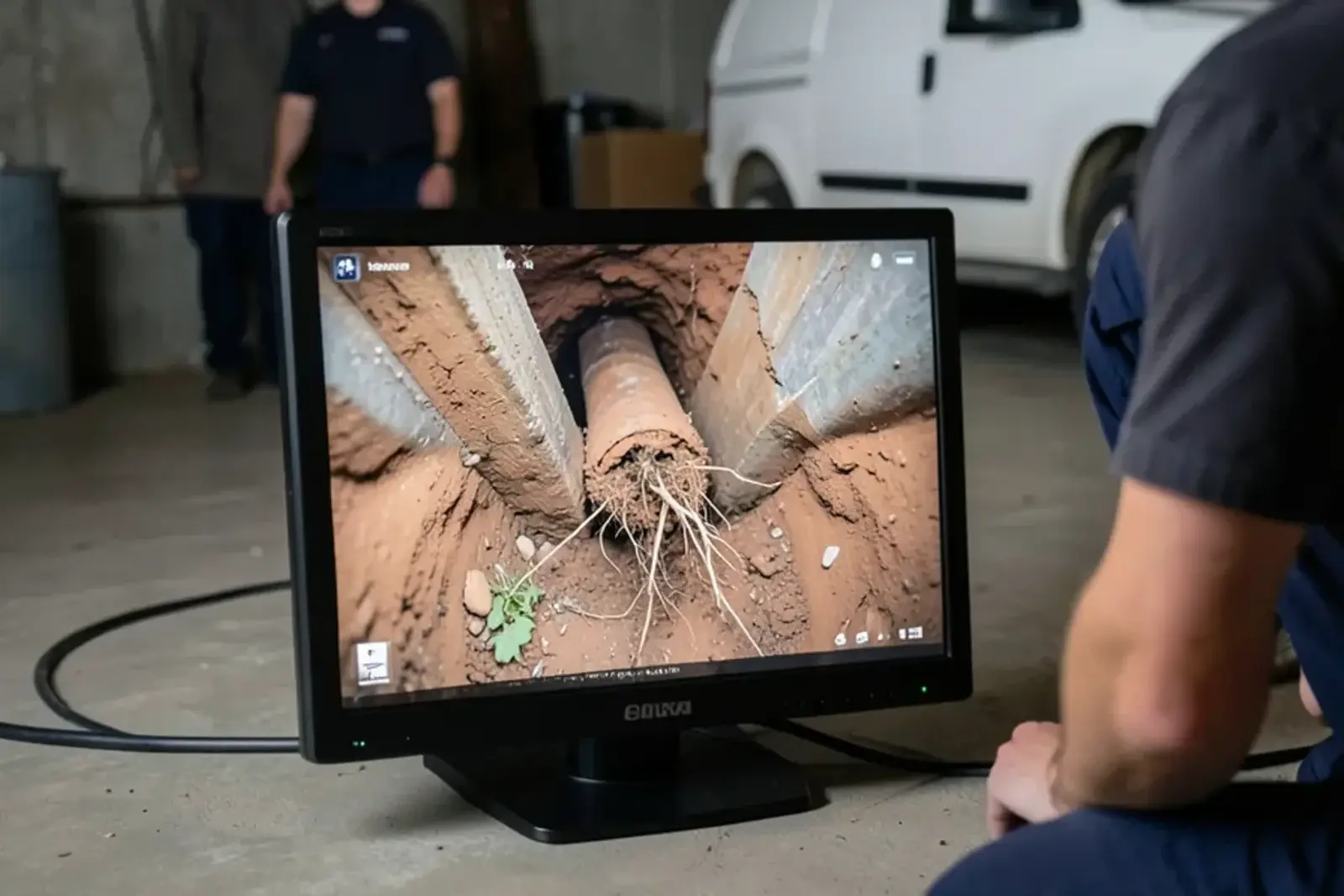
Start with a camera. A sewer line inspection in Fraser runs a camera from the cleanout down the lateral to the main, so you can see roots, offset joints, sags that hold water, and whether the pipe is cracked. If your lateral is the bottleneck, cleaning or repairing it may solve the problem outright.
If the lateral is sound and the backups only come with big storms, the public sewer is the likely source, and the fix moves to your side of the line. A backwater valve installed in the building drain closes when sewer water tries to flow back toward the house. Michigan's residential code (the 2015 IRC, section P3008.1) calls for one where fixtures sit below the next upstream manhole cover on the public sewer, and many basements fit that description. Our guide on backwater valves and sump pumps explains how the two work together.
Keep rainwater out of the sanitary line. The Michigan Plumbing Code says storm water shall not be drained into sewers intended for sewage only. Downspouts that run into an underground pipe near the foundation, or a sump that pumps into a laundry tub or floor drain, send clean rainwater into the same sewer that's backing up. Move downspouts to extensions on the lawn, and pipe the sump discharge outside.
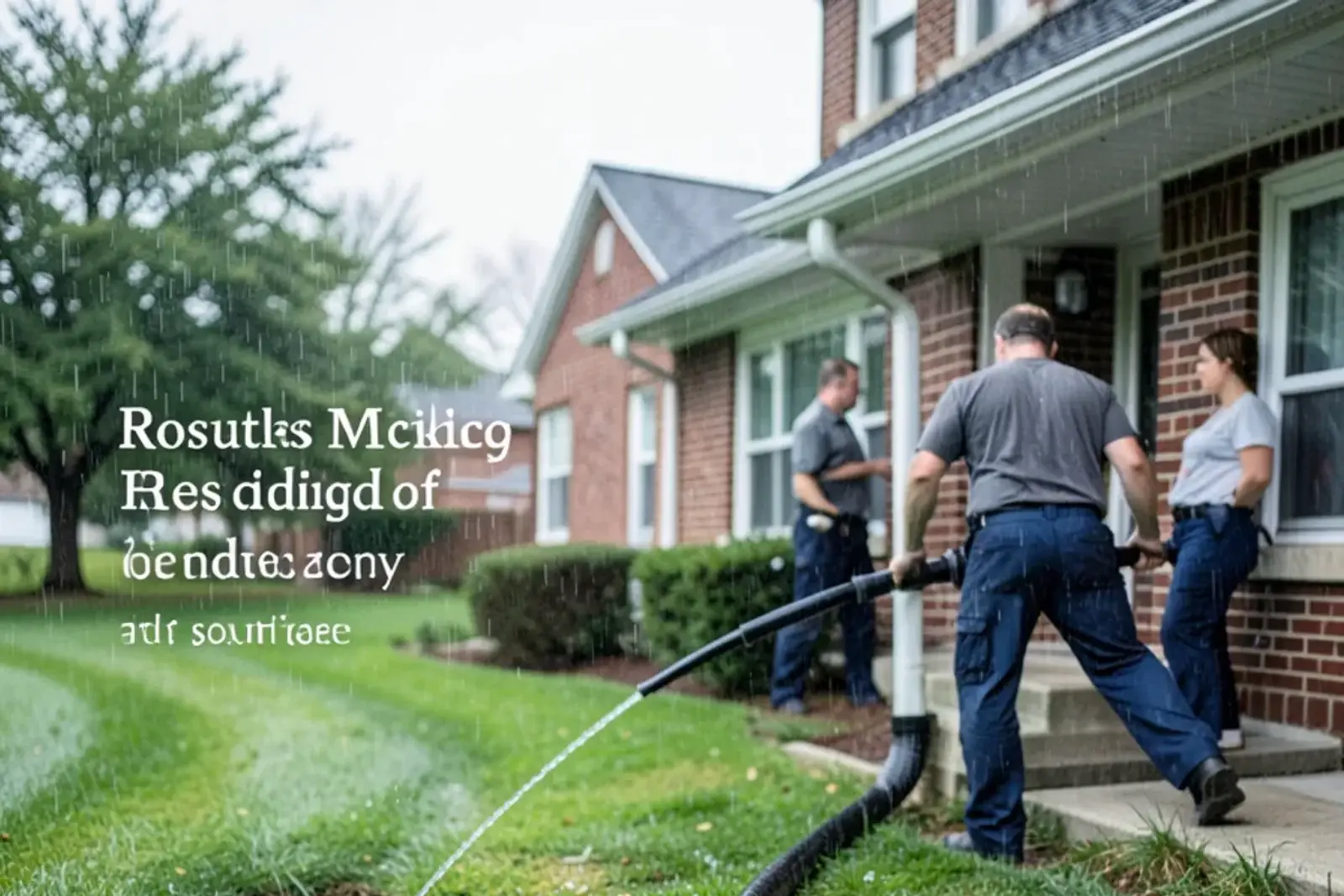
If groundwater is part of the mix, a working sump matters. See our sump pump installation and repair page for what goes into sizing and placing one.
A floor drain plug with a floating ball can stop water rising through that one opening, but it doesn't stop the sewer from backing up. The water can move to the next-lowest fixture, like a basement toilet or shower. Treat it as a stopgap until the real fix is in.
If your house is closer to the lake, see our page on basement and sewer plumbing in St. Clair Shores, and if you're west of there, our plumbers who work in Roseville page covers the same ground. The order of work doesn't change from one house to the next. Camera first, then decide.
Which fix should you start with?
Let the pattern pick it. One backup in a storm that flooded half the street points at the public sewer: report it to the city in writing, then get the lateral scoped so you know your side is clear. Backups in ordinary rain point at your own line or a footing drain tie-in, and drain cleaning and clog removal plus a camera come before any valve. If the lateral looks sound and the water only comes in big storms, a backwater valve is the fix worth pricing. Write down each backup's date and how much it rained, because that history makes the call much easier.
Questions about basement floor drain backing up
Is the city responsible when my floor drain backs up?
Sometimes. The public sewer main belongs to the city or county, while the lateral from your house to the main is usually the owner's. If a backup came from the public system, you may have a claim. Michigan's Public Act 222 of 2001 requires a written claim to the city within 45 days of discovering the backup, and the city generally must have known or should have known about a defect. Report it right away and keep your photos and cleanup receipts.
Does homeowners insurance cover a floor drain backup?
Read your policy. Many standard homeowners policies leave out water that backs up through drains and sewers unless you added a sewer or drain backup endorsement. Ask your agent before storm season what your policy covers and what the limit is, because finding out after a flood is the hard way.
Can I just plug my floor drain for good?
It's usually a bad trade. The floor drain is where a leaking water heater, an overflowing washer or a burst pipe drains away, so sealing it trades a rare backup for a certain flood the day something else fails. A plug also doesn't stop the sewer from backing up; the water moves to the next-lowest opening, like a basement toilet or shower. Find the cause instead.
Will a sump pump stop my floor drain from backing up?
Not by itself. A sump pump handles groundwater collected by footing drains around the foundation. Sewer water rising through a floor drain is a different path, and the device that blocks it is a backwater valve on the building drain. Whether a house needs both comes down to where its footing drains are piped.
Fraser plumbing services for this problem

Sewer inspection and line repair
Live camera footage of your lateral, with defects located and marked from the surface
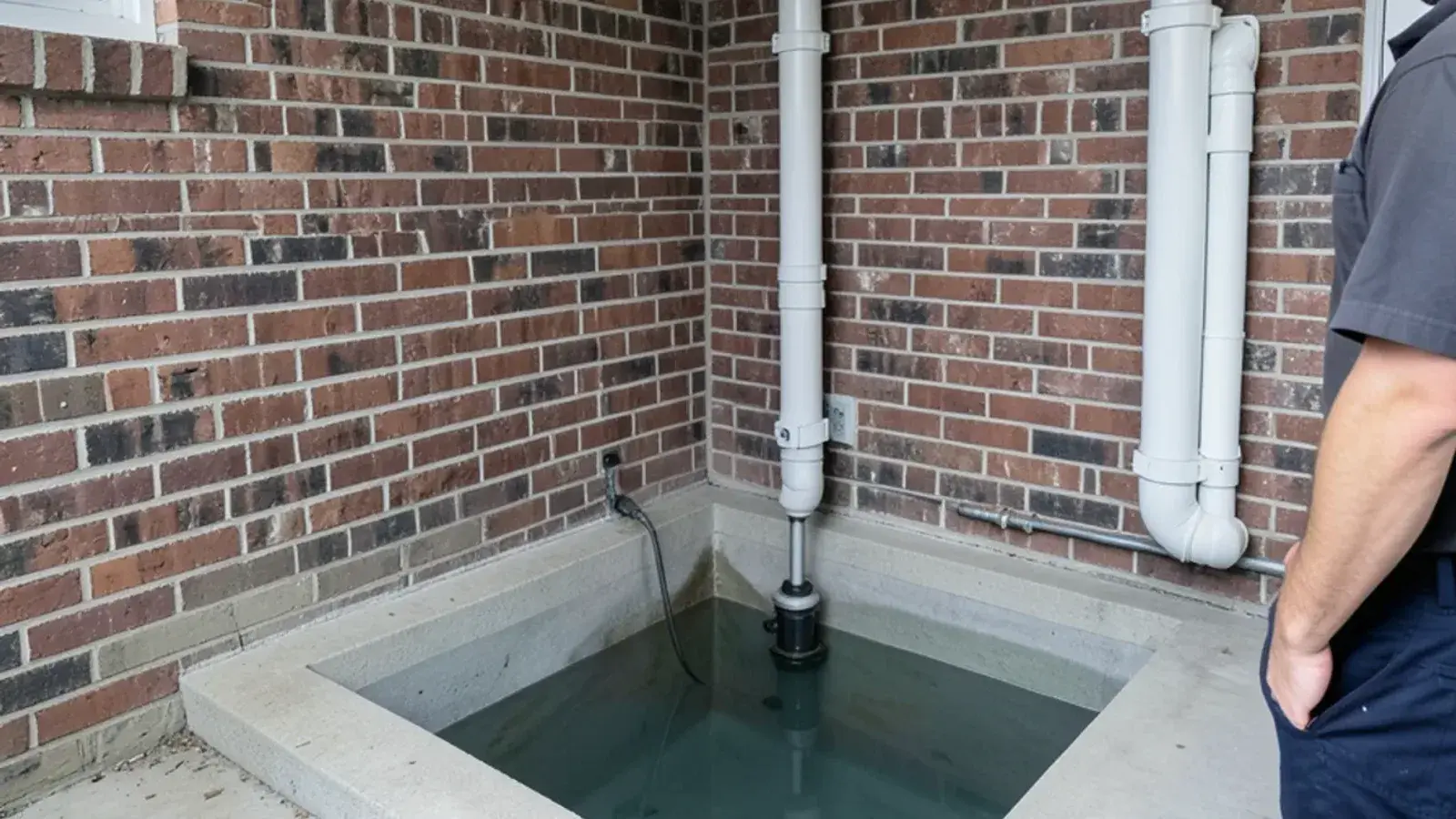
Sump pump installation and repair
Pump, check valve and discharge set up to Fraser's storm-sewer rule, with backup options

Drain cleaning and clog removal
Finds whether it's one fixture or the main line before choosing the tool