
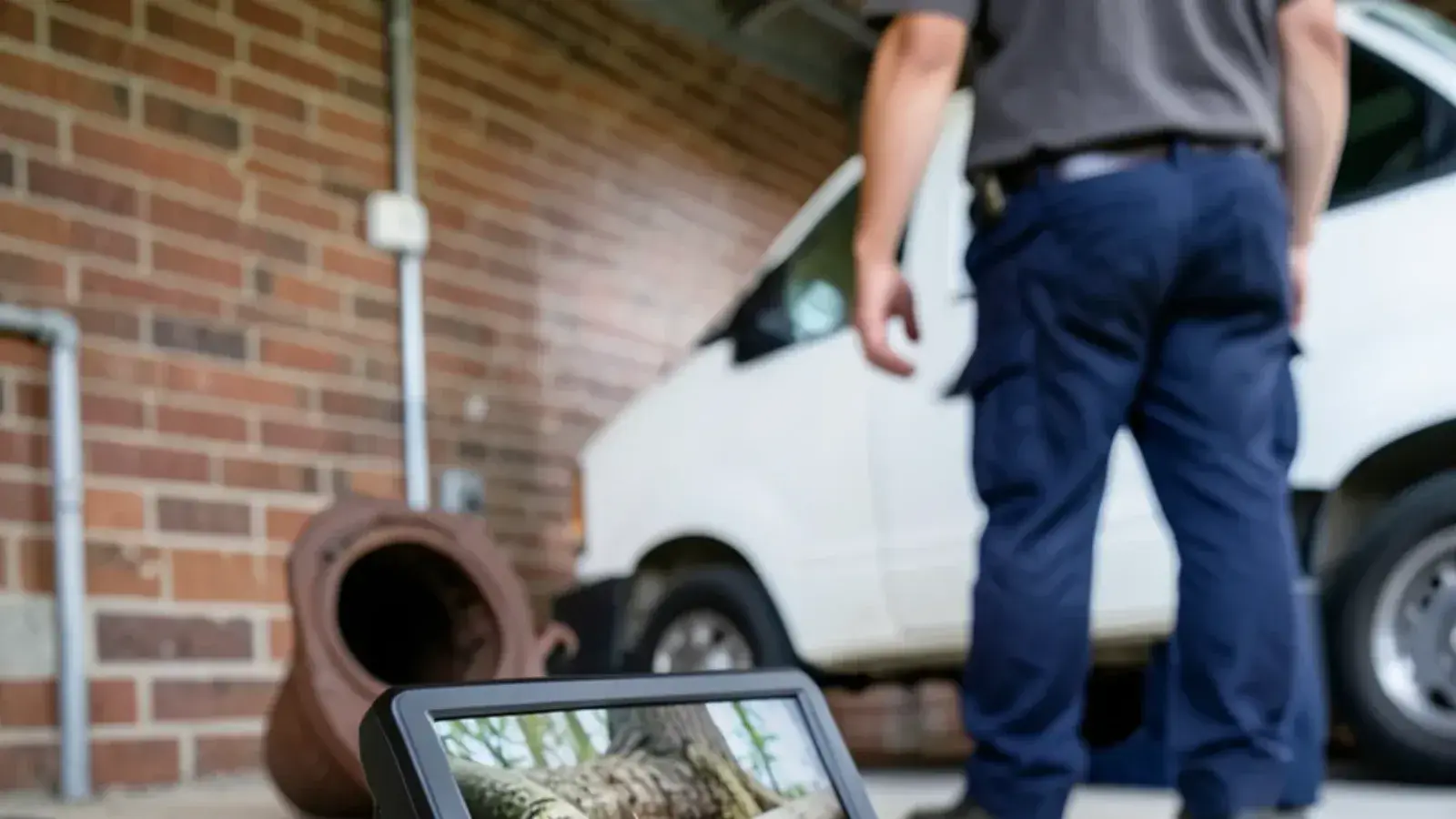
A camera inspection answers what a clog can't: why the main keeps backing up, whether roots have opened a joint, whether the pipe has a low spot holding water. In Fraser that matters more than in many towns, because the city puts the whole lateral on the homeowner, right up to the main under the street.
What a sewer camera inspection shows
A waterproof camera on a flexible push rod travels the building sewer while we watch a live screen together. Along the way we're looking at:
- Pipe material and changes, such as cast iron turning into clay crock outside, or a PVC piece from an earlier repair
- Joints, and whether they're tight, offset or open with roots coming through
- Cracks, missing pieces and crushed sections
- Bellies, the low spots where water and waste sit instead of draining
- Scale, grease and debris narrowing the pipe
- The connection where your lateral meets the city main
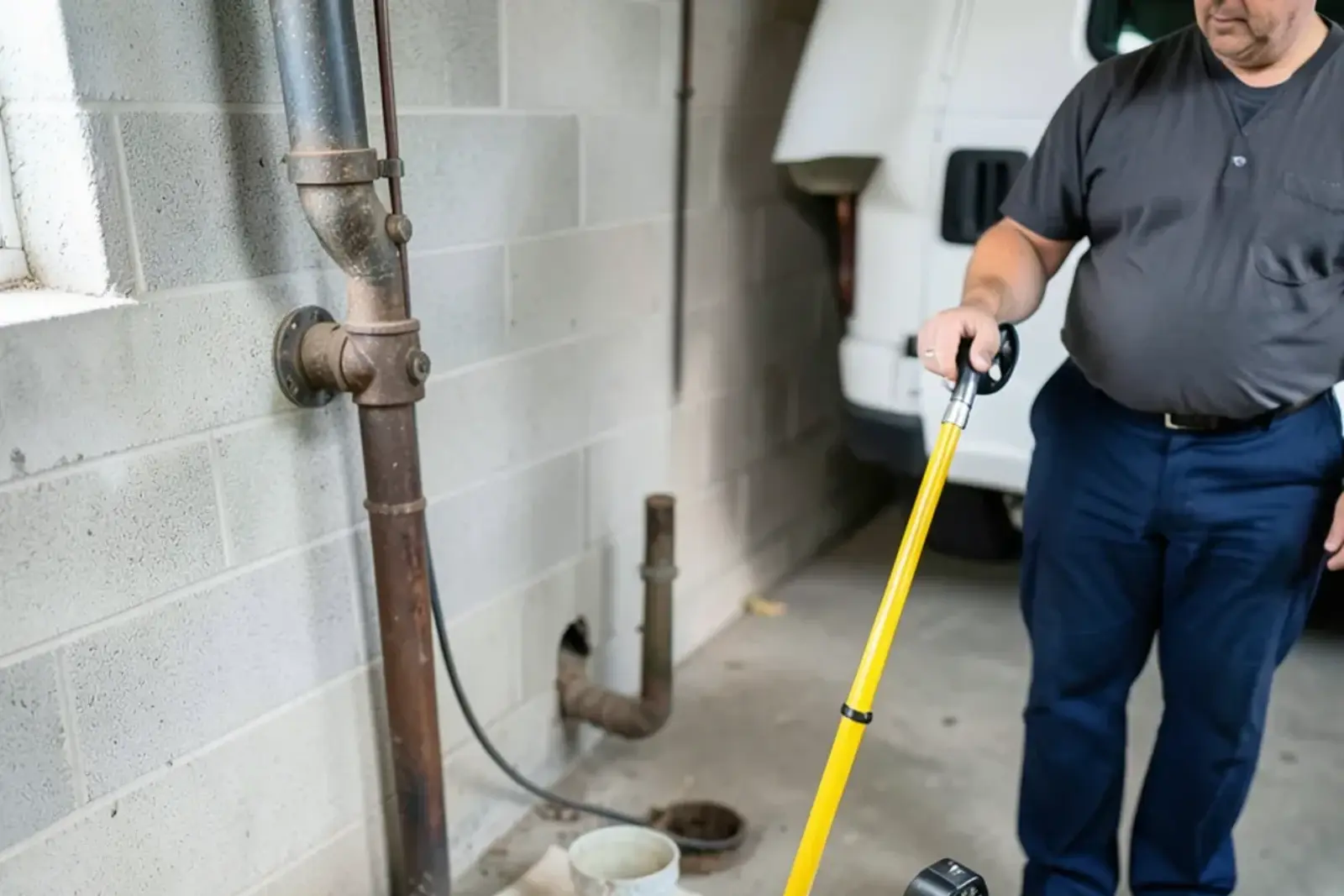
The camera head carries a small transmitter. From above, a locator picks up its signal, and we mark the spot and approximate depth on your lawn or driveway. That's how a repair goes from "somewhere in the front yard" to one specific hole.
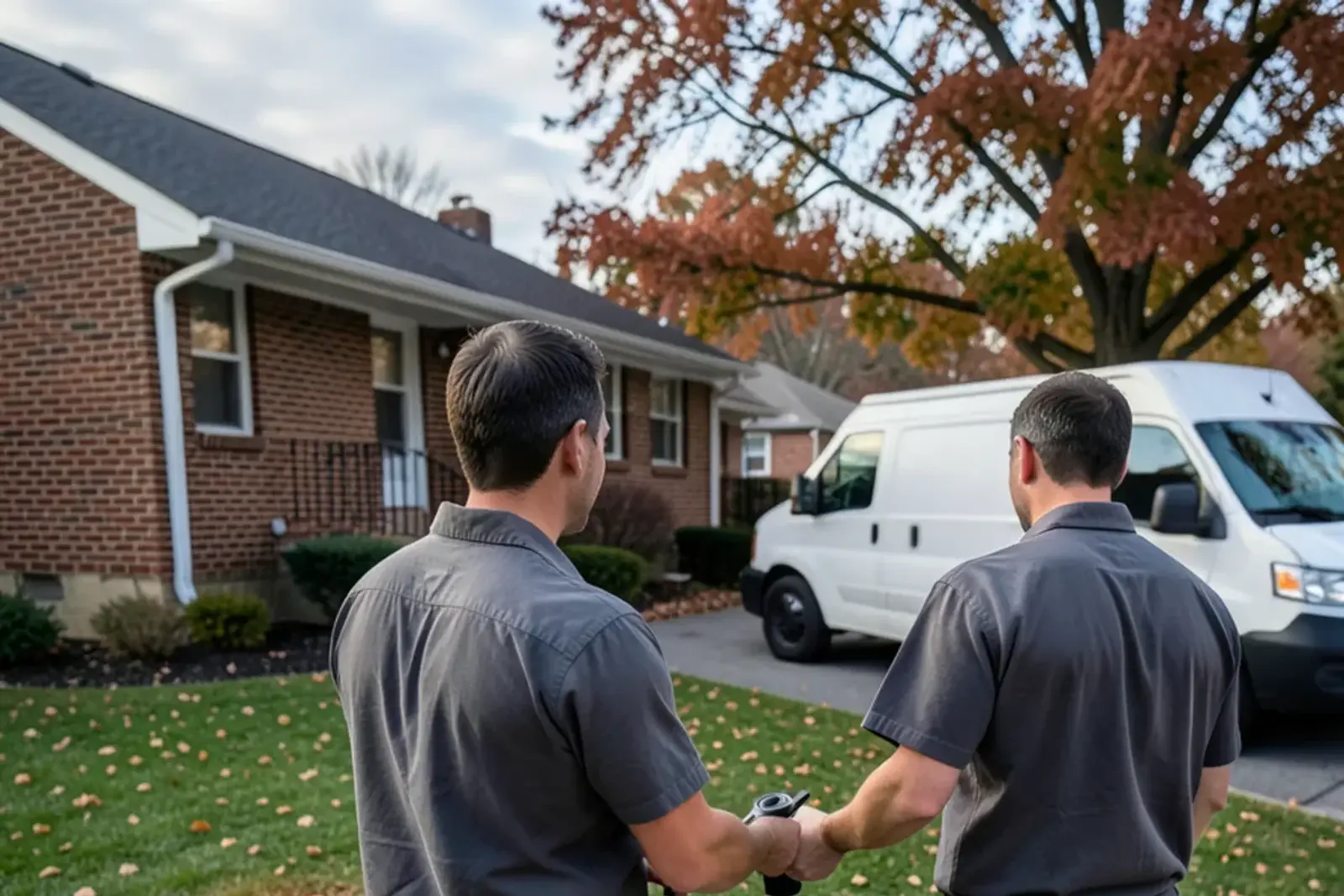
How a sewer inspection visit goes
- You call and describe the backups, and we ask where the cleanout is and when the line was last cleared.
- We open the cleanout. Without one, the camera goes in through a pulled toilet or the roof vent, and the city's handout recommends adding a cleanout.
- A line full of water or debris gets cleared first so the camera can see.
- The camera runs to the main while you watch, with a distance counter on screen.
- Each defect is located from the surface and marked with its depth.
- You get the video, the rundown and the options.
When is a sewer inspection worth booking?
Book one when any of these sound familiar:
- The main has needed clearing more than once
- The floor drain backs up, especially on a dry day
- Roots come back on a drain cable, or the basement smells like sewer
- You're buying a house, or selling one and want no surprises
- A big tree stands between the house and the street
- It has been more than five to ten years since anyone looked, the interval Fraser's own lateral handout suggests
With a Census median build year of 1972 for Fraser's ranches, split-levels and condos, plenty of laterals here are past fifty. Age alone doesn't mean a pipe has failed. The camera tells you.
If backups line up with heavy rain, read our post on floor drains that back up during storms before assuming the lateral is broken.
What you get after the camera comes out
You watch the screen with us during the run, so nothing happens out of sight. Afterward you have:
- The recorded video of your line
- A plain-language rundown, with each defect's distance from the cleanout
- Paint or flag marks at problem spots, with approximate depth
- A recommendation, which might be nothing, routine cleaning, a spot repair or a replacement
If the line looks good, that's a real answer, and you have footage on file for later. If it doesn't, you have something concrete to show a home inspector, a seller or another plumber for a second opinion.
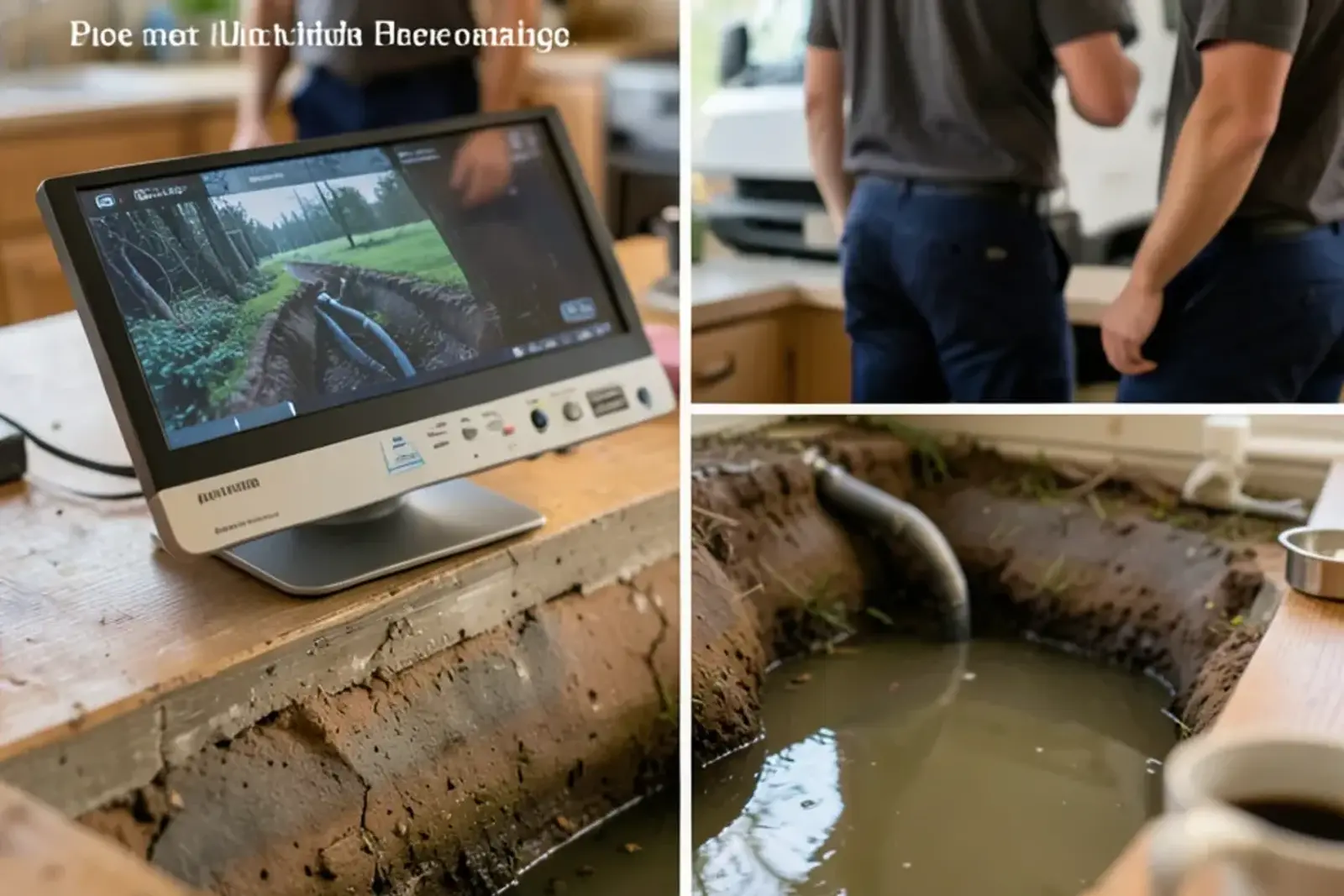
Why a Fraser plumber for your sewer inspection
We work from 32940 Janet Ave, among the same 1950s through 1970s houses, and know the cast iron to crock joint the city's fee schedule names. Call (207) 419-2600 and tell us what the drains are doing. Nobody quotes a repair before the footage is on screen and the defect is marked. If digging is on the table, you hear about the city permit, the right-of-way escrow and who pulls them before a shovel moves.
Should you get a sewer scope before buying in Fraser?
A standard home inspection usually stops at the floor drain. A seller who had the line rodded last month may not think to mention it. A sewer scope during the inspection window is the one chance to spot a broken crock joint or a sag before it becomes your repair. Schedule it early in the window, make sure the cleanout is accessible, and keep the video. Our post on why a sewer camera inspection belongs in your home purchase covers what to ask the seller.
Who owns the sewer line between your house and the street?
You do. Fraser's private sewer lateral handout says the owner maintains the entire building sewer, from the house to the main in the street or a nearby easement, and that the section in the public right-of-way is also the owner's to repair. Keep your footage with the house papers, since the next owner inherits the same line.
Sewer line repair options once the problem is found
Cleaning and root cutting
Roots, grease or scale without broken pipe usually call for hydro jetting or cable drain cleaning, followed by a second camera pass. Root intrusion comes back over time, so a rooted joint is something to watch.
Spot repair
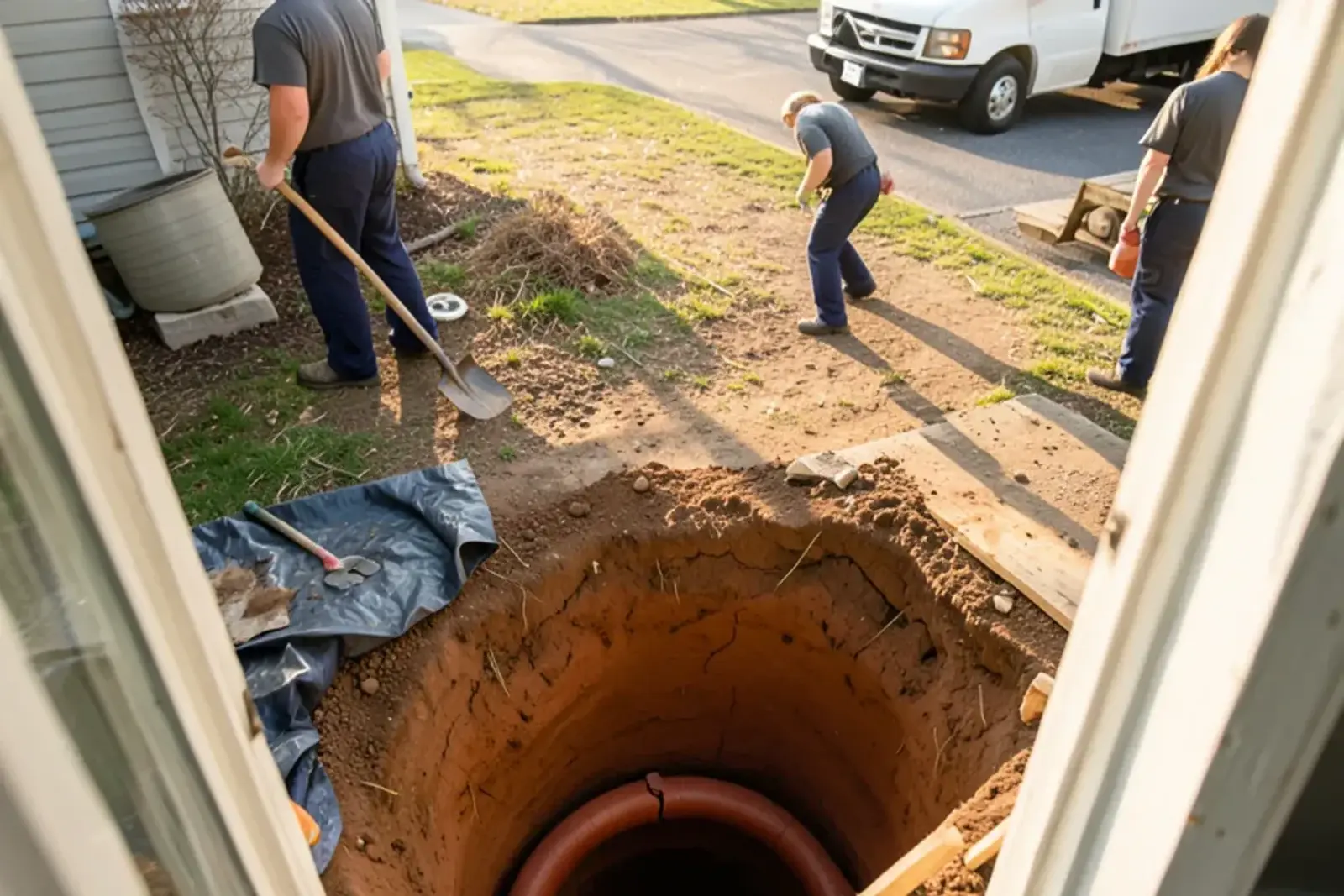
One cracked or offset joint can often be dug up and replaced on its own. The city prices this as a separate permit item in its fee schedule, "Crock to Iron / Cleanout / Exterior Sewer Line Repair." Digging outside the lot or in the right-of-way also means posting an escrow with the city until the area is restored (FY 2026–27 schedule).
LARA says only a licensed plumbing contractor, or a homeowner on their own house, can pull a plumbing permit, and you can check any plumber on LARA's license search. Fraser's sewer ordinance adds a city license for sewer excavation and a bond before a building sewer permit is issued.
Replacement
Several failures, a long belly or a collapse make patching one spot after another a poor bet. Sewer line replacement explains open trench and trenchless methods.
What sets the inspection and repair cost
For the inspection, the variables are access and condition. An open cleanout is the simple case. Pulling a toilet, working from the roof vent or clearing a full line first adds time.
For a repair, the big ones are depth, where the defect sits (under lawn, driveway, sidewalk or street), how many defects there are, and restoration afterward. Fraser's FY 2026–27 fee schedule lists the crock-to-iron or exterior sewer repair permit at $50, with a $2,500 escrow for right-of-way digging and $10,000 for roadway digging. The footage and the locate marks are what make any estimate honest.
We run sewer camera inspections in Sterling Heights, Warren, St. Clair Shores and Eastpointe too.
Sewer inspection and repair questions in Fraser
What should a sewer inspection near me include?
At minimum, a camera run from a cleanout to the city main while you watch, a copy of the recording and each defect's distance from the cleanout. Surface locating with depth marks matters too, because it turns footage into a repair plan. Ask for all of it before you book.
Is a sewer scope worth it before buying a home in Fraser?
For most older Fraser homes, yes. The buyer takes on the entire lateral, including the stretch under the street, and a typical home inspection doesn't look inside it. A scope during the inspection period shows roots, cracks and sags while there's still time to negotiate.
Who handles sewer line repair near me, the city or a plumber?
In Fraser the homeowner is responsible for the lateral from the house all the way to the main, so a plumber does that repair at the owner's cost. Public Works maintains the main and will help determine where a blockage sits.
Did the 15 Mile sinkhole damage house sewer lines in Fraser?
No. The December 2016 collapse was in the Macomb Interceptor, a large county sewer deep below 15 Mile Rd, not in anyone's lateral. Three nearby homes were condemned because of the sinkhole itself. A problem in your own line today is almost always a lateral issue the camera can find.
More help alongside sewer inspection and line repair
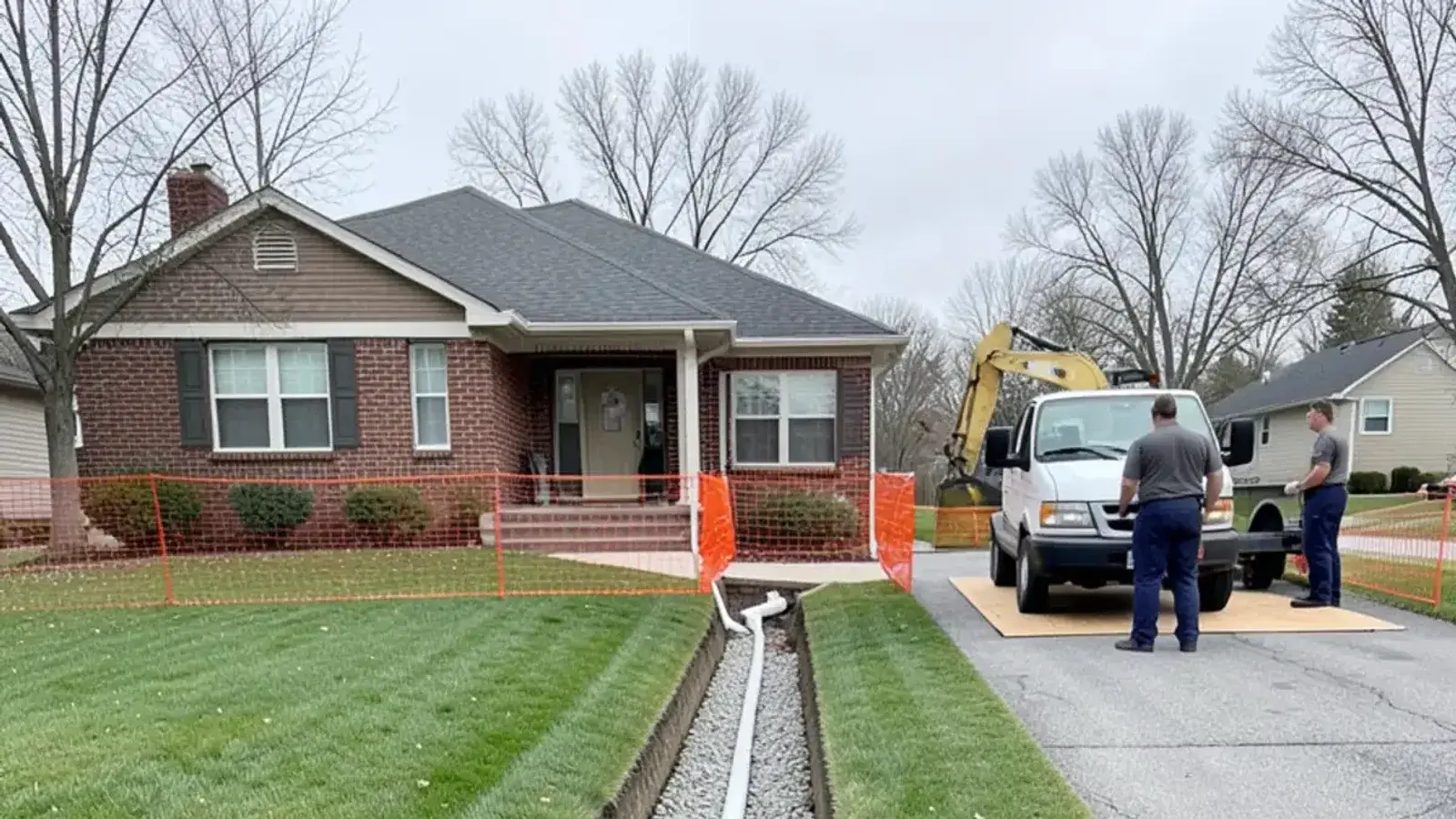
Sewer line replacement
Open trench, pipe bursting or lining, chosen from the camera footage instead of a sales pitch
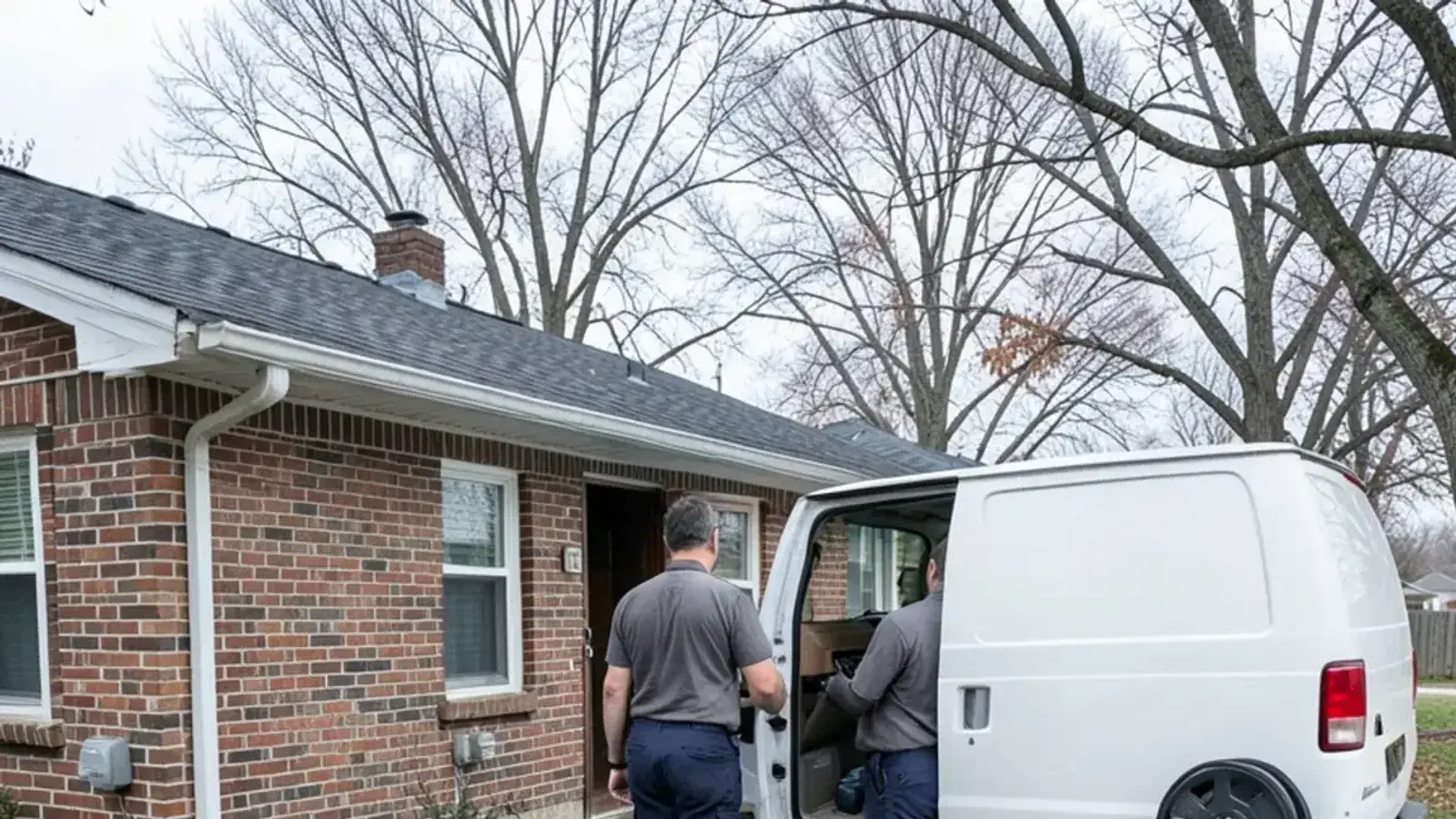
Hydro jetting
Scours grease, scale and roots off the pipe wall, with camera footage before and after
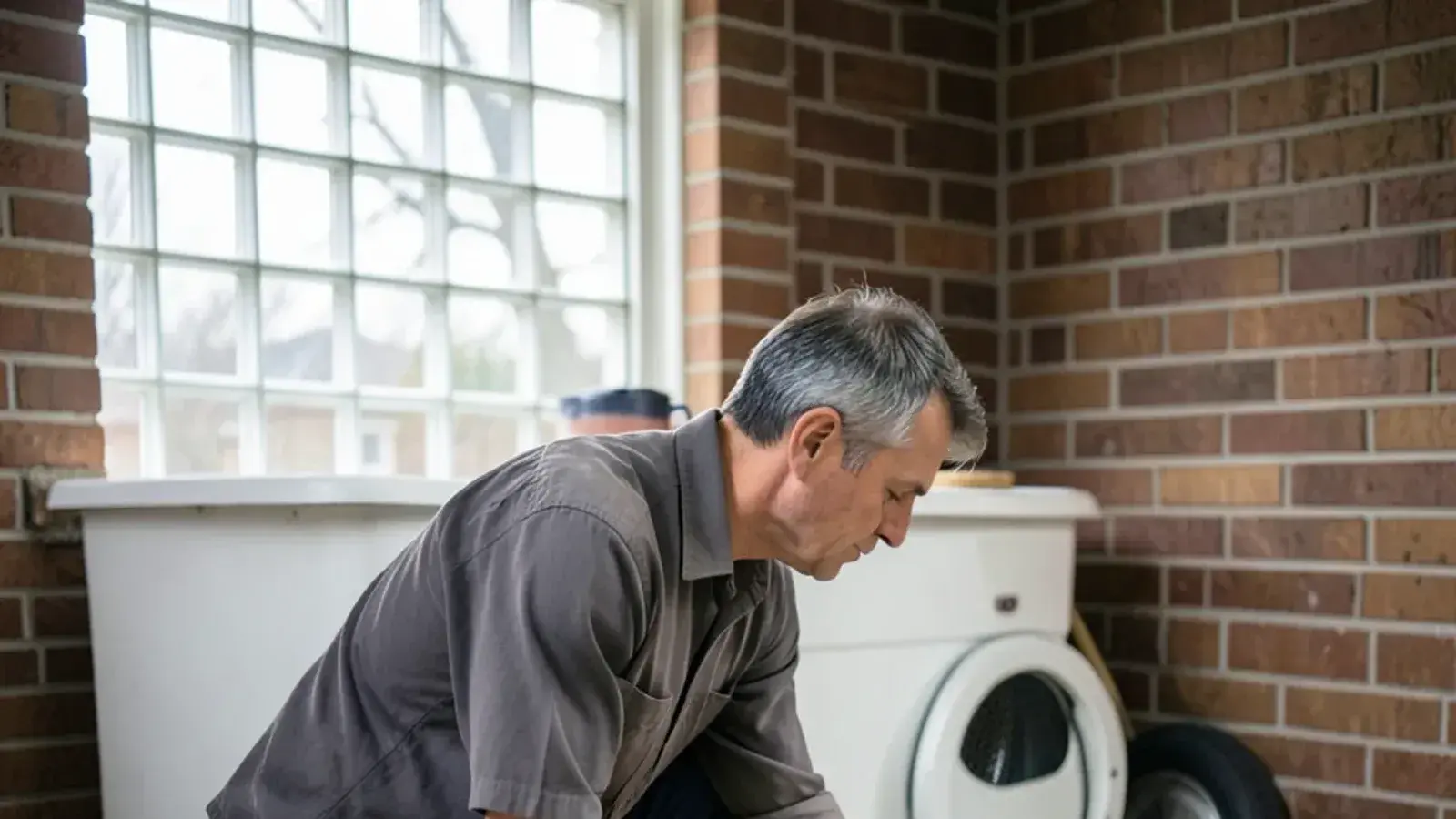
Drain cleaning and clog removal
Finds whether it's one fixture or the main line before choosing the tool
- Why a sewer camera inspection belongs in your home purchase
- Why your basement floor drain backs up when it pours
Where we handle sewer inspection and line repair around Fraser