
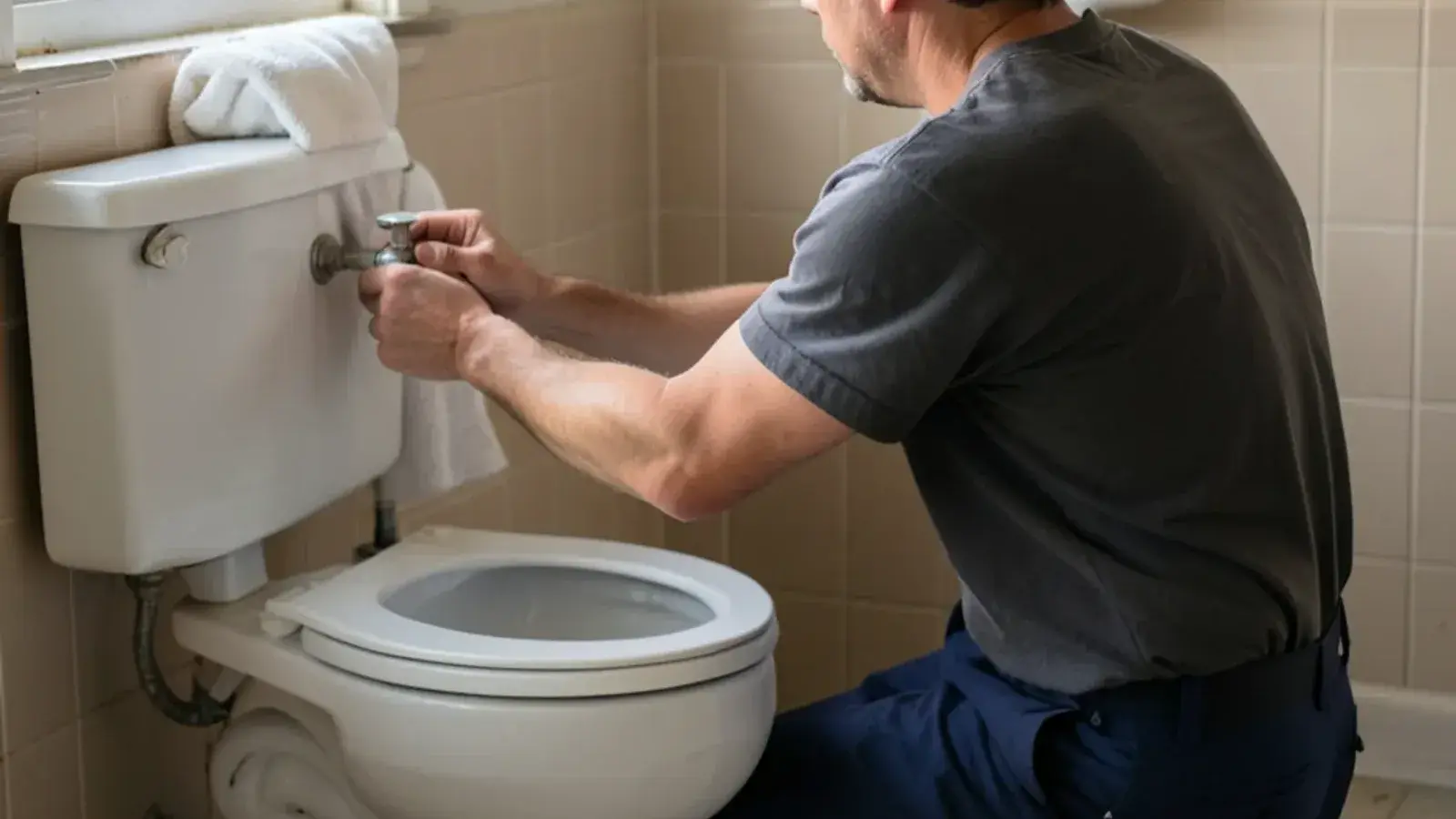
Most toilet trouble in Fraser comes back to a short list of parts: the flapper, the fill valve, the wax seal and the flange under it. Fraser's houses are mostly ranches, split-levels and condos built between the 1950s and the late 1970s, and a lot of their bathrooms are on their second or third toilet. That history shows up when the bowl comes off the floor, and it decides what a visit covers:
- Replacing a flapper, fill valve, flush valve or tank-to-bowl gasket
- Clearing a clog with a closet auger
- Resetting the bowl on new bolts and a new seal
- Repairing a cracked flange or a soft subfloor
- Setting a new toilet and hauling the old one away
Running toilet, rocking bowl or a puddle at the base?
- The tank refills by itself or hisses long after a flush. Water is slipping past the flapper, or the fill valve won't shut off.
- The flush is weak and takes two tries. A partly blocked trapway, crusted rim holes or a design that was never strong.
- A clogged toilet that keeps coming back while the basement floor drain gurgles. That one may not be the toilet at all.
- The bowl moves when you sit down. Loose closet bolts, an uneven floor or a broken flange.
- Water on the floor at the base. A failed wax seal, a sweating tank in July, a dripping supply line or a worn tank-to-bowl gasket.
Why toilets in Fraser ranches and condos wear out
The median Fraser home was built in 1972, and the EPA says older toilets can use as much as 6 gallons per flush. Plenty of those still sit in basements and second baths.
Fraser buys its water from the Great Lakes Water Authority, and it's moderately hard, somewhere around 6 to 6.6 grains of hardness per gallon. Over years those minerals stiffen fill valve seals and narrow the jets under the rim, while flapper rubber breaks down with age.
The flange is where the house's age really matters. Older homes may have cast iron leaded into a cast-iron bend; a remodeled bath may have PVC set too low under new tile. Rusted bolts and cracked bolt slots let the bowl rock, and a rocking bowl breaks the wax seal. In a condo or a split-level, a leak at the base often shows up first as a stain on the ceiling below.
How we pin down a toilet repair before buying parts
A toilet repair starts with tests, not a bag of parts, and you can run the first one yourself. Squeeze some food coloring into the tank water, give it 10 minutes with nobody flushing, and look in the bowl. Color means the flapper or flush valve seat is leaking.
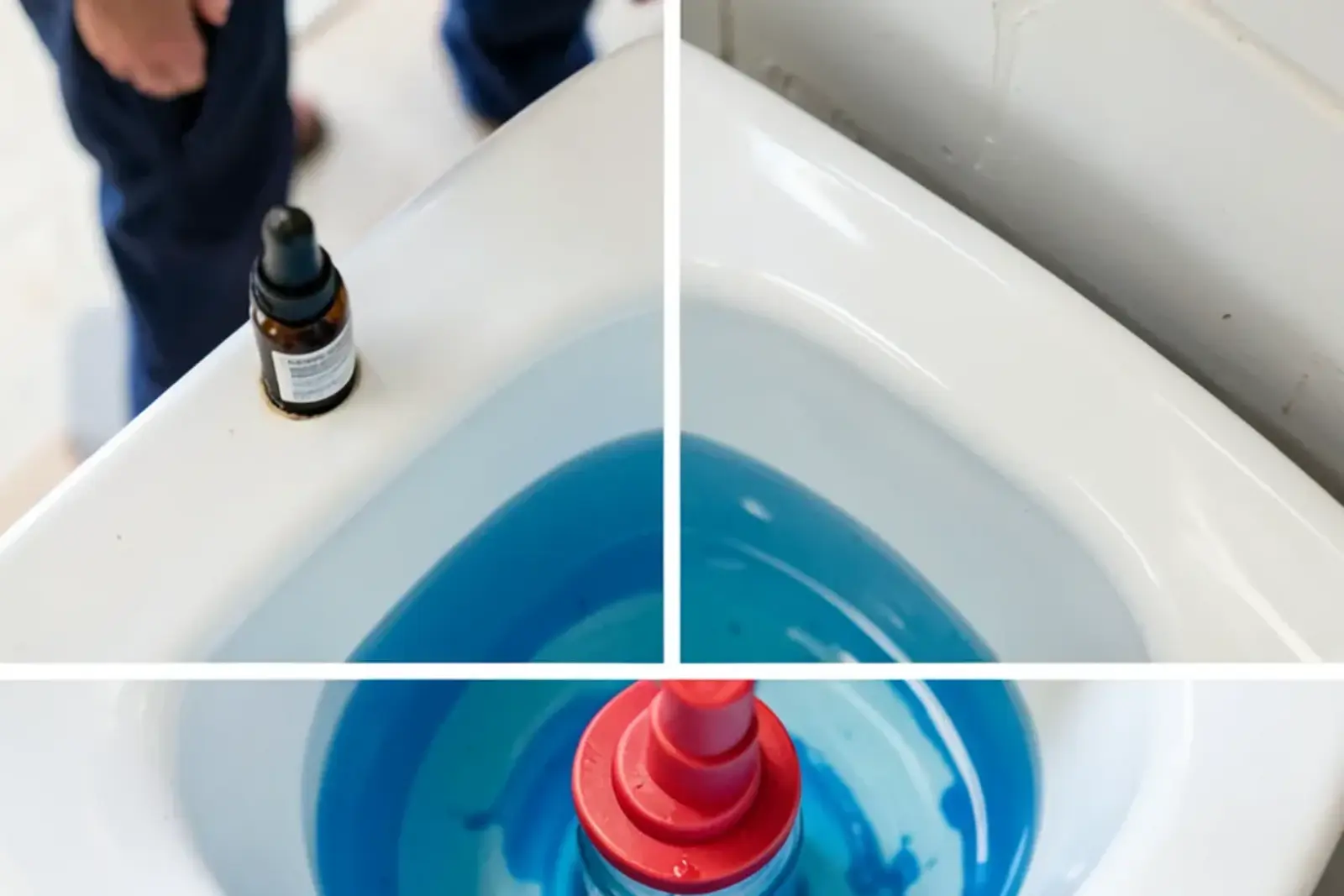
Next we check the water level against the overflow tube. Water pouring into it means the fill valve or float is set too high or has failed. We look at the shutoff valve too. Code calls for an accessible shutoff at every fixture except tubs and showers, and the old multi-turn stops in many 1970s bathrooms seize or start dripping the first time someone turns them.
For a rocking bowl or a wet base, we feel the floor for soft spots and pull the toilet if the seal or flange is suspect. For a clogged toilet, a closet auger comes first. If the clog returns and other drains act up, the problem is probably downstream. Fraser makes the property owner responsible for the sewer lateral clear out to the city main under the street, so a repeat backup calls for drain cleaning or a sewer camera inspection, not a new toilet.
Why a Janet Ave plumber for toilet work
Our office at 32940 Janet Ave sits among the same 1950s through 1970s houses. Call (207) 419-2600 and describe the symptom, since a hissing tank and a wet base are different visits. The dye test and a look at the flange come before anyone sells you a part. If the answer is a new toilet, you hear up front that Fraser permits it as a fixture and who files the permit. If the real trouble is the lateral, we say so.
Is it time for a toilet installation instead of a repair?
Repair makes sense when the porcelain is sound and parts are still made for the tank. Replace it when the tank or bowl has a hairline crack that weeps, when nobody stocks parts for the old tank, or when an old model keeps clogging.
Water use is the other reason. The federal standard for new toilets is 1.6 gallons per flush, and a WaterSense-labeled toilet uses 1.28 gallons or less. The EPA says toilets account for nearly 30 percent of an average home's indoor water use, and replacing old ones with WaterSense models saves about 13,000 gallons a year per home.
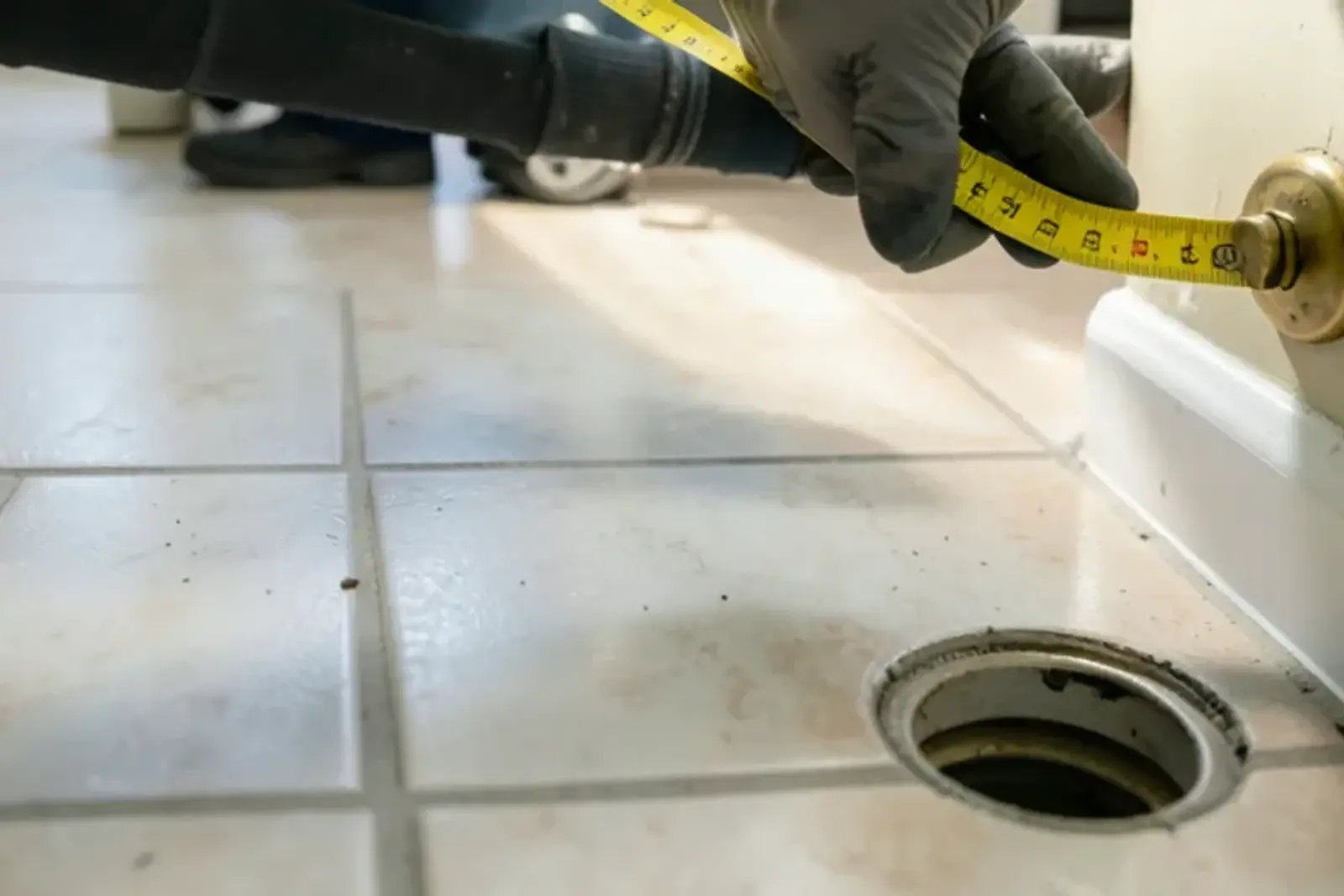
Before you pick a model, we measure the rough-in, the distance from the finished wall to the center of the closet bolts. That number decides what fits; bowl height and shape come next, and a narrow half bath may only take a round bowl.
Permits and code for a new toilet
LARA's permit rules exempt clearing a stoppage and repairing a valve's working parts, so a new flapper or fill valve needs no permit. A new toilet is a fixture replacement, and only a licensed plumbing contractor or a homeowner on their own house can pull that permit. Fraser takes applications online through its Building Department at 33000 Garfield Rd and inspects plumbing on Tuesday and Thursday mornings, under the 2015 Michigan Residential Code. Check any plumber on LARA's license search.
Toilet flange repair and resetting the seal, step by step
Shut off, drain and lift
We close the stop, empty the tank and bowl, disconnect the supply and remove the nuts. The toilet comes straight up, and a rag goes in the drain to block sewer gas.
Inspect the flange and the subfloor
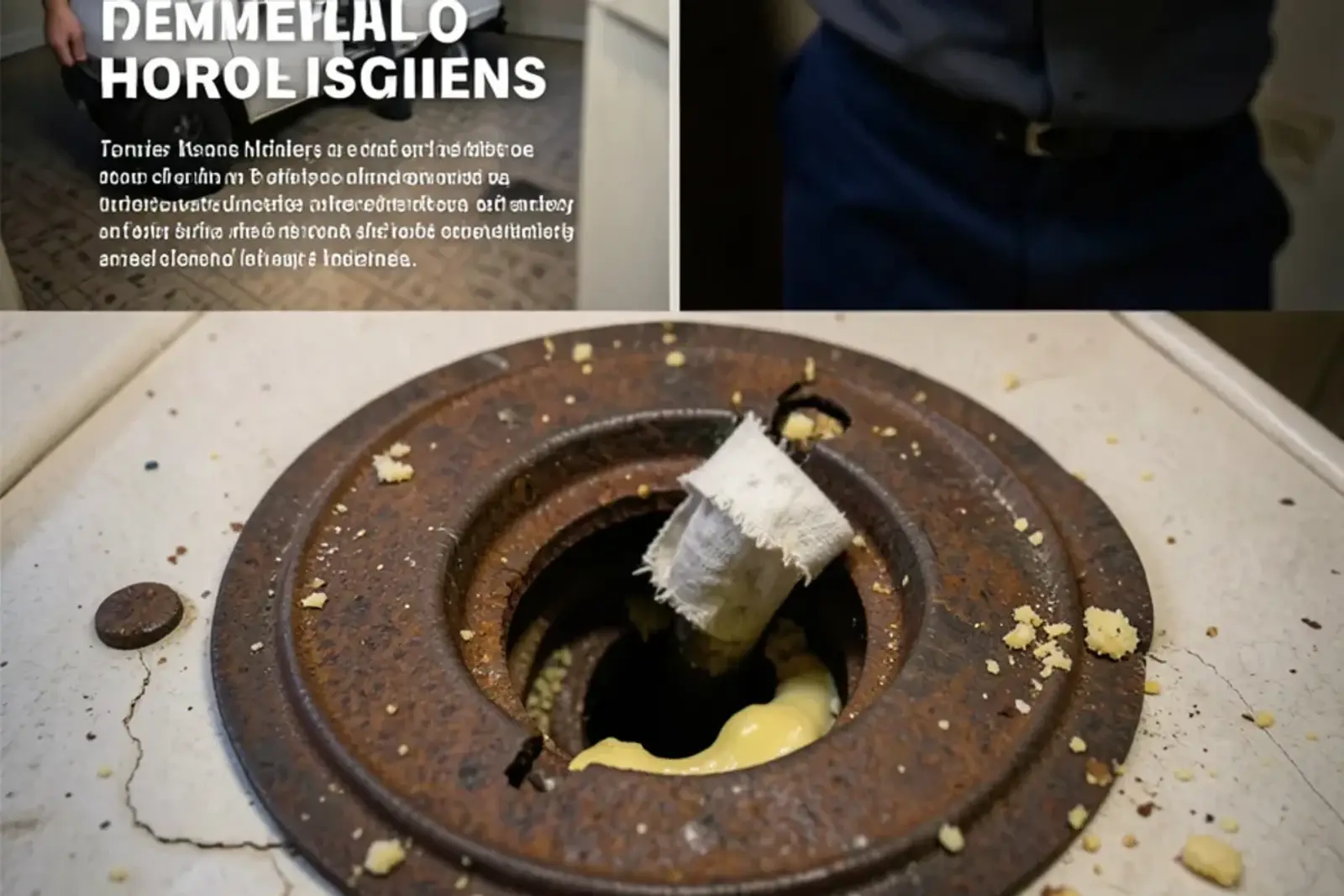
With the old wax scraped off, a cracked bolt slot or broken ring can usually take a stainless repair ring. A flange that sits well below new tile needs a spacer or an extra-thick seal, never two wax rings stacked. Rotted subfloor around it has to be cut out and replaced first, or the new seal won't last.
New bolts and a new seal
Fresh closet bolts go in every time. We use a wax ring or a wax-free seal depending on the flange height and how likely the toilet is to come up again.
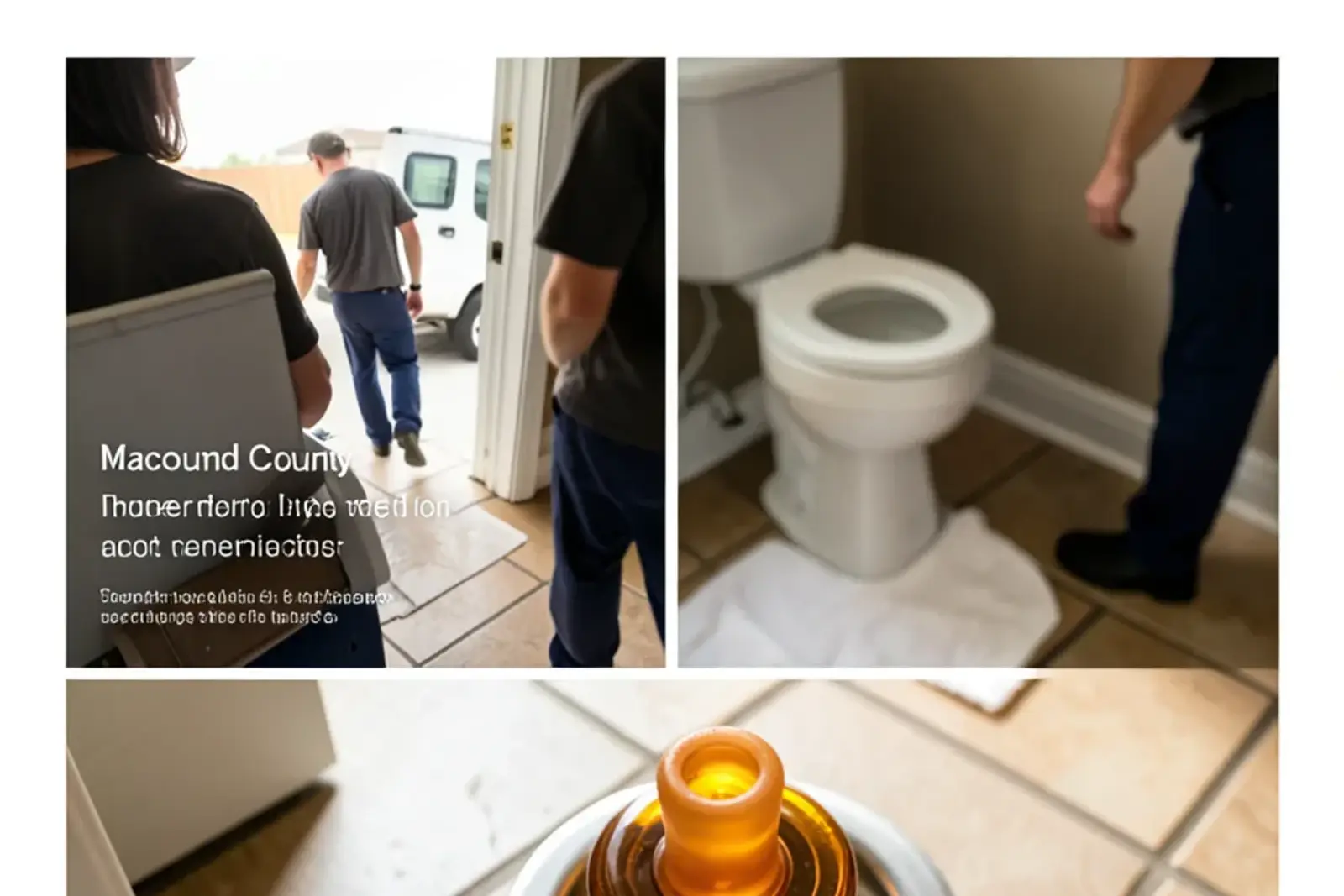
Set and level
The bowl goes straight down so the seal compresses evenly. We shim uneven tile, tighten the nuts a little at a time and connect a new braided supply line.
Flush and check
We flush several times while checking the base with a dry paper towel. A parts repair is usually finished in one visit. Flange or subfloor work adds time.
What drives the cost of toilet work in Fraser
The factors behind a toilet job are predictable:
- Repairing parts versus replacing the toilet, and which model you choose
- Flange material and condition, and whether a repair ring is enough
- Soft or rotted subfloor around the drain
- A seized shutoff valve or old supply line that needs replacing
- Tile height, tight half-bath clearances or a finished ceiling below
- Hauling away the old toilet
- The city permit for a new toilet, listed at $10 per fixture on the Fraser fee schedule
New toilets carry a manufacturer's warranty on the china and the tank parts; keep the paperwork. Ask any plumber to put in writing what their labor covers and for how long. To keep a repair working, skip "flushable" wipes, which Fraser's own sewer handout warns against, and swap the flapper before it gets brittle. Our running toilet guide walks through the causes, and a bill that climbs with no running sound calls for finding a hidden water leak. If the toilet is part of a bigger job, see bathroom remodel plumbing or faucet and sink repair. We also take toilet calls in Roseville, Clinton Township, Eastpointe and Mount Clemens.
Toilet questions from Fraser homeowners
Is there toilet repair near me in Fraser?
Yes. We're at 32940 Janet Ave in Fraser, close to Roseville, Clinton Township and Warren. Call (207) 419-2600, tell us what the toilet is doing, and we'll talk through whether it sounds like a flapper, fill valve or failed seal before booking a visit. If water is spreading across the floor, close the oval valve behind the toilet first.
How much water does a running toilet waste?
More than most people guess. The EPA says a worn flapper can silently leak thousands of gallons a year, and it puts total household leaks at more than 9,300 gallons a year for an average home. The dye test on this page shows whether yours is one of them.
Does a new toilet need a permit in Fraser?
Swapping a flapper, fill valve or flush valve is a working-parts repair, and Michigan doesn't require a permit for that. Setting a new toilet is a fixture replacement, so it does. Fraser's FY 2026-27 schedule charges $10 per water closet plus a $30 application fee, applied for online.
How often should a toilet flapper be replaced?
The EPA suggests replacing the flapper at least every five years. Rubber hardens and warps over time. If the tank refills on its own, the handle has to be jiggled, or the dye test shows color in the bowl, the flapper is done even if it's newer than that.
More help alongside toilet repair and installation
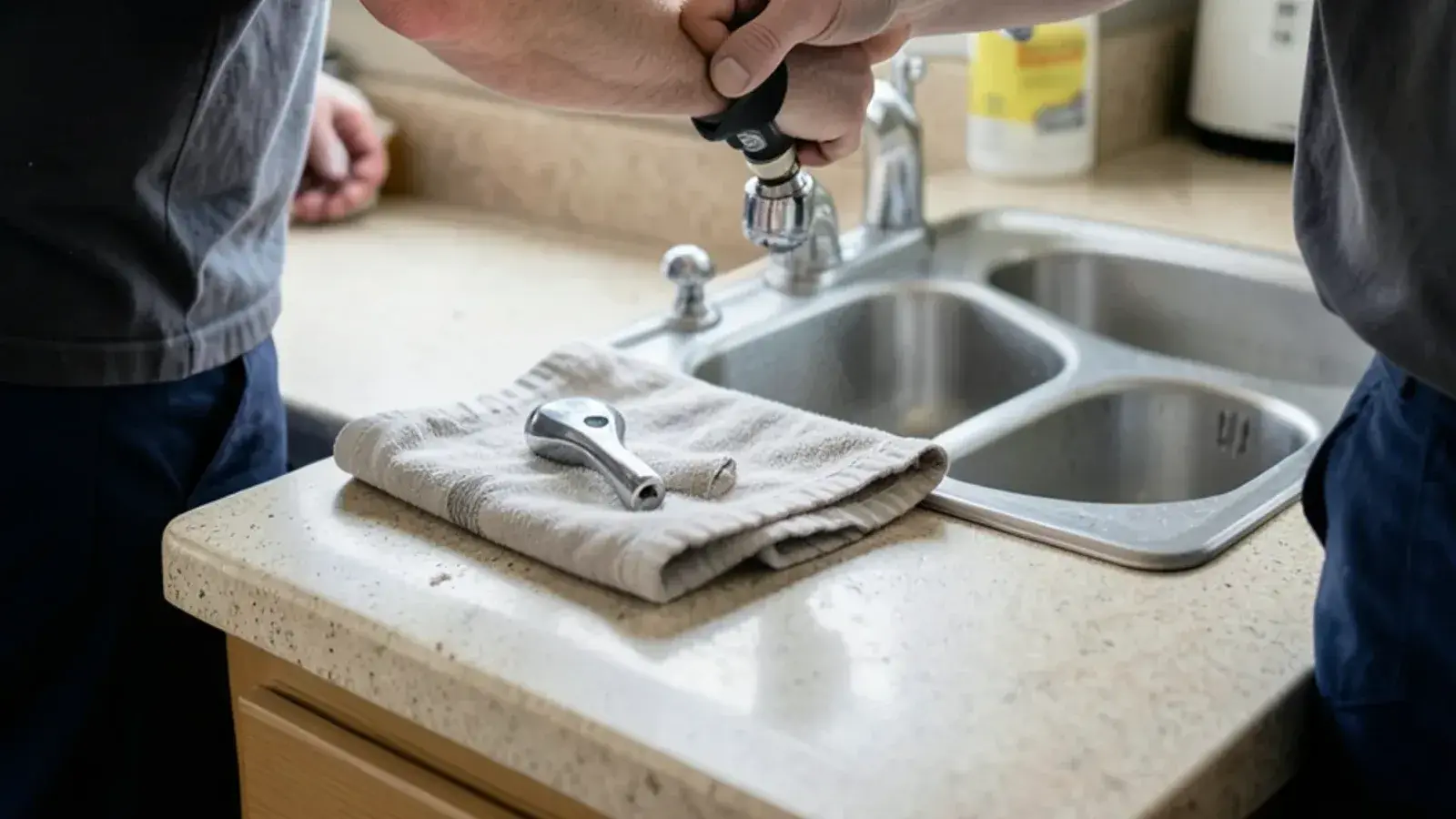
Faucet and sink repair
Ends drips, weak flow and wet sink cabinets with the right cartridge, trap or new faucet
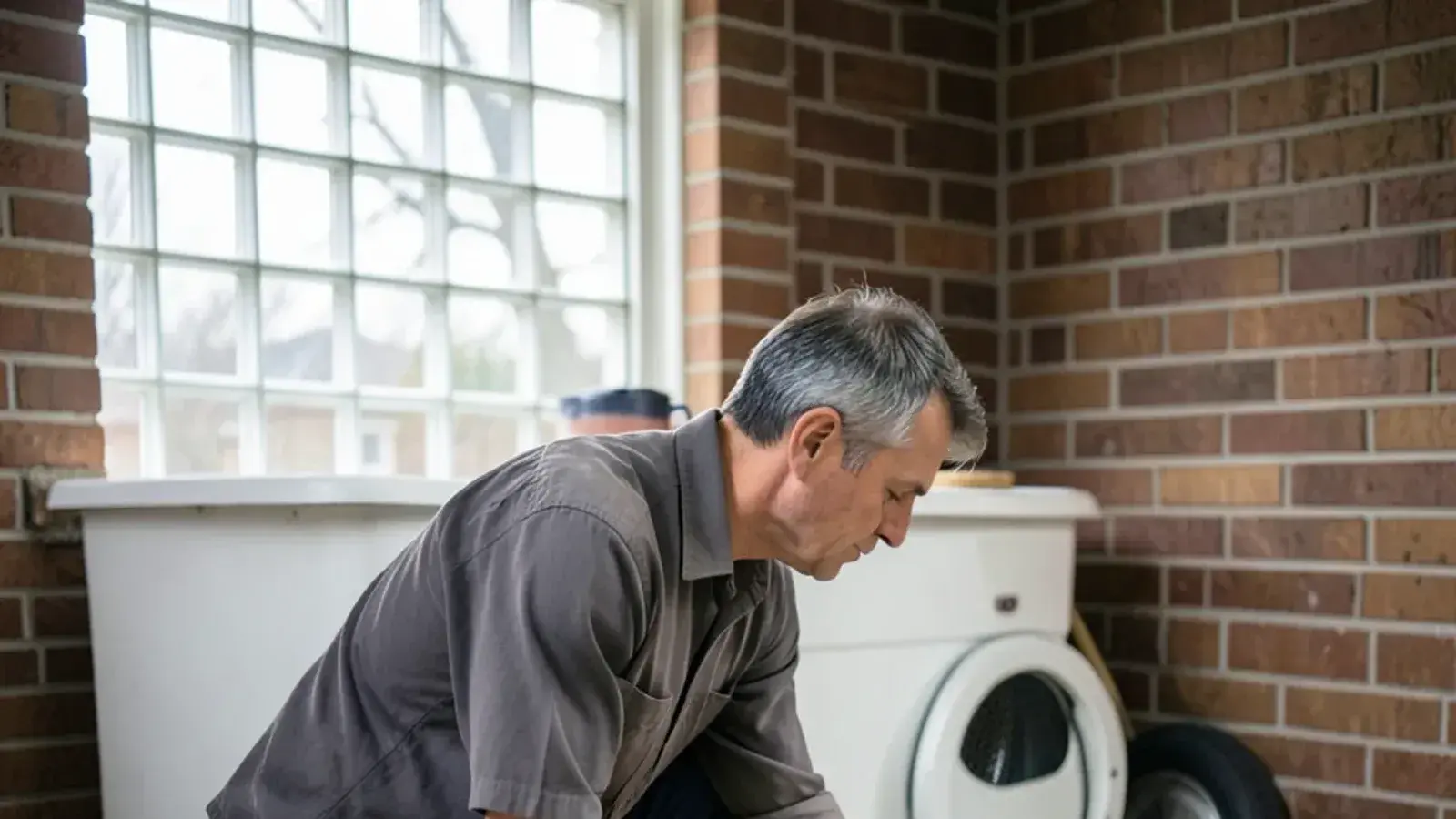
Drain cleaning and clog removal
Finds whether it's one fixture or the main line before choosing the tool
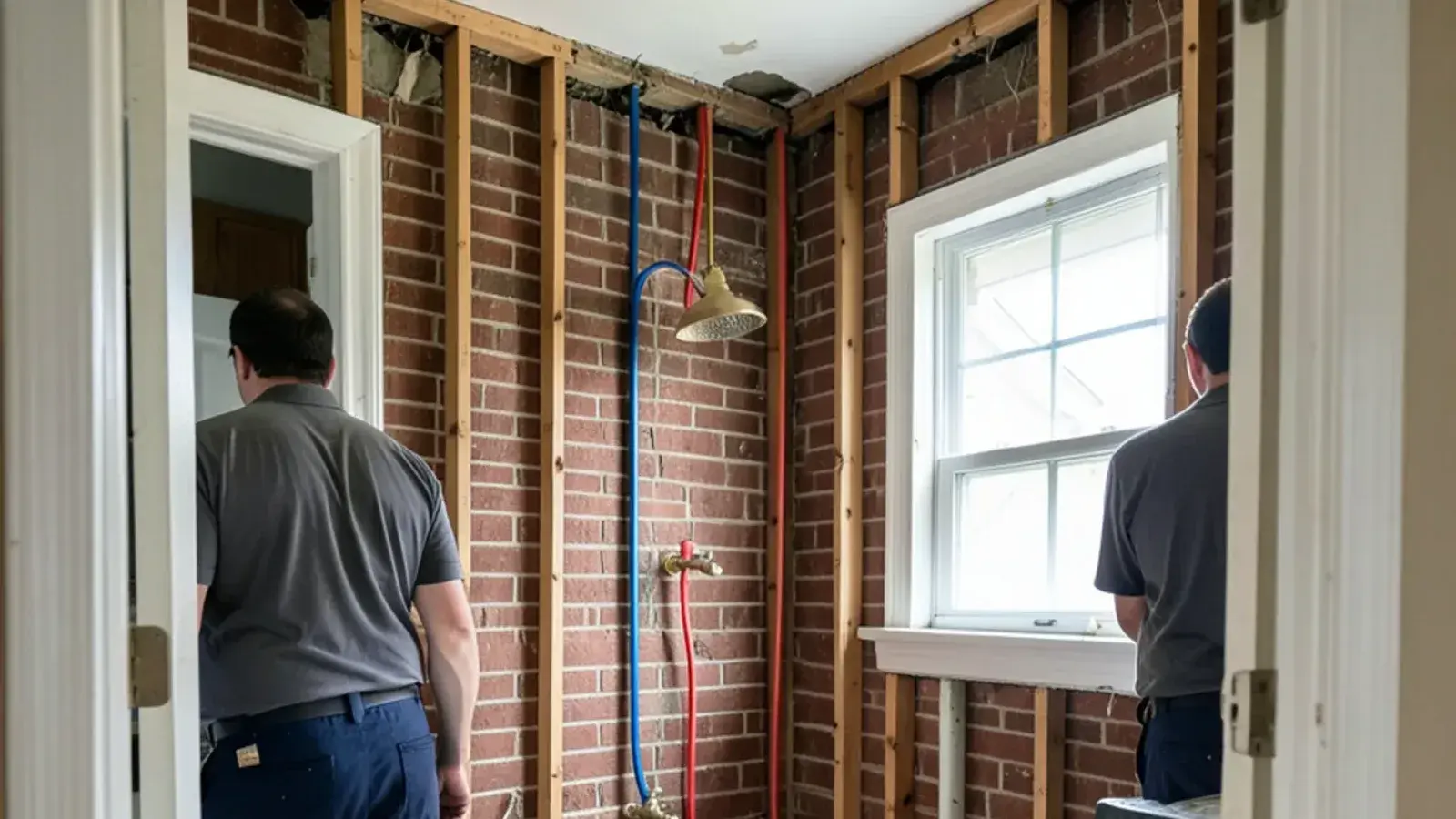
Bathroom remodel plumbing
Rough-in and finish plumbing for moved fixtures, new shower valves and basement baths
- Why your toilet keeps running and what it's costing you
- How to find a hidden water leak before it does damage
Where we handle toilet repair and installation around Fraser