
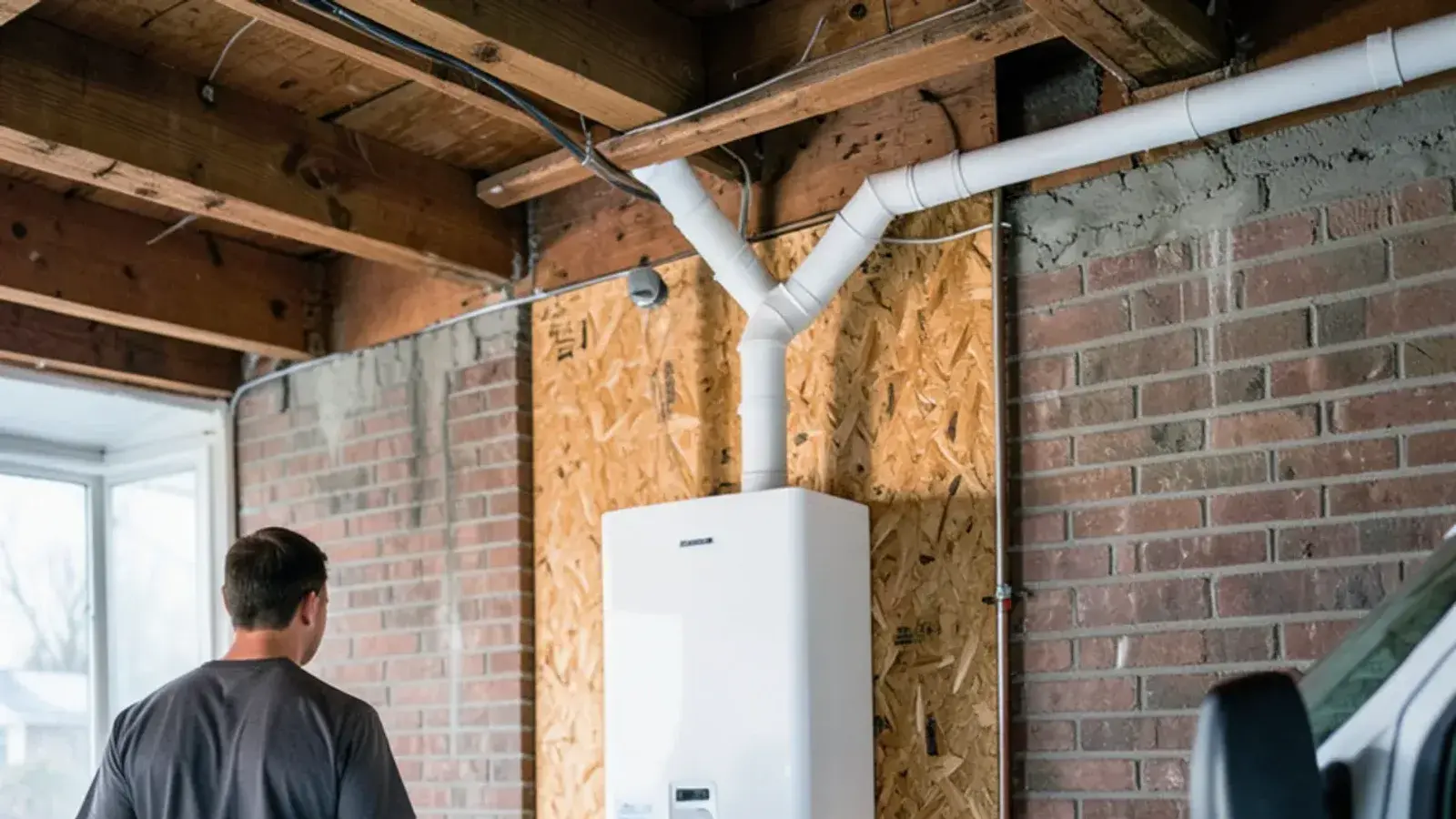
Is a tankless water heater a good fit for a Fraser home?
A tankless heater fires its burner only when a hot tap opens, so there's no stored water to keep warm. It won't run dry the way a 40-gallon tank does, but it can only heat so many gallons per minute.
ENERGY STAR certifies gas tankless units at a uniform energy factor of 0.95 or higher with at least 2.8 gallons per minute over a 67°F temperature rise. In practice that means condensing models, which pull extra heat from the exhaust and produce condensate that has to drain somewhere. Non-condensing units use a different vent and generally won't reach that rating. Whole-house electric tankless models exist too; they need a very large electrical service, so talk to an electrician before planning around one.
Tankless suits a household that keeps running a tank out, a basement where the tank's floor space is wanted for something else, or anyone tired of reheating water nobody's using. It's a poor fit where the gas line or vent route would cost more to change than the owner wants to spend, or where three showers and the washer run at once. Our article on tank or tankless for a Michigan home compares the two, and if a tank still makes sense, see water heater installation.
Sizing for flow rate and cold Lake Huron water
Tankless sizing is a flow question. Add up what runs at the same moment in your house, using ENERGY STAR's typical fixture rates:
| Fixture | Typical flow |
|---|---|
| Shower or tub | 2.5 gpm |
| Kitchen or bath sink | 2.2 gpm |
| Clothes washer | 3.3 gpm |
| Dishwasher | 1.3 gpm |
Two showers and a dishwasher come to about 6.3 gallons per minute. Then factor in the season. Water reaching Fraser from Lake Huron is far colder in February than in August, so the unit has to raise it more degrees in winter and delivers fewer gallons at the same setting. A model that feels generous in July can feel tight in January. We size for the cold months and ask about the habits that change the math, like a big soaking tub or a rain head in the shower.
Tankless gas line sizing and the city pressure test
This is where most tankless projects are won or lost. A whole-home gas tankless burner is far bigger than a tank burner, and ENERGY STAR tells installers to confirm the existing gas line can supply it. Often the branch that fed the old tank is too small, so a larger line runs back toward the meter or a main trunk. Pipe size depends on the burner input, the length of the run and what else shares the line: furnace, range, dryer.
Gas piping is mechanical work in Michigan, so new pipe means a mechanical permit. Fraser bills gas piping at 40 dollars for up to five openings, plus a 40 dollar pressure test per meter, on top of the water heater items and application fees. The model fuel gas code has new piping held for 10 minutes or more at a test pressure of 1-1/2 times working pressure, with 3 psig as the floor. The unit also gets a sediment trap at its gas inlet unless one is built in. If the meter may be the bottleneck, Fraser's gas utility, Consumers Energy, makes that call. Our page on gas line installation explains the piping side in detail.
Where does a condensing tankless vent and drain?
Condensing units vent through plastic pipe out a side wall or the roof, using the vent material the manufacturer's listing allows. The old chimney is left out of it. Terminations need clearance from windows, doors and the gas meter, and the manual lists each distance. For a Michigan winter, Department of Energy guidance puts intake and exhaust above the expected snow line and apart from each other, so frost doesn't build on the intake. Forced-vent and condensing models also need an electrical outlet at the unit.
Condensate goes where the manufacturer's instructions and the inspector say it may. A basement floor drain or a small condensate pump is the usual answer.
When the tank leaves a shared chimney, the furnace can end up venting alone through a flue sized for two appliances. The inspector may ask how that remaining appliance vents, so we look at it during the first walkthrough.
Tankless installation from old tank out to first hot shower
A conversion usually includes:
- Removing and hauling away the old tank
- A larger gas line where the old branch is too small, plus its pressure test
- Plastic vent and intake pipe to a side wall or the roof
- Service valves with flush ports and a condensate drain or pump
- Start-up, a combustion check and the city inspections
1. Pull the tank and prepare the wall
The old tank drains and leaves, and a backer board goes up where the unit will hang.
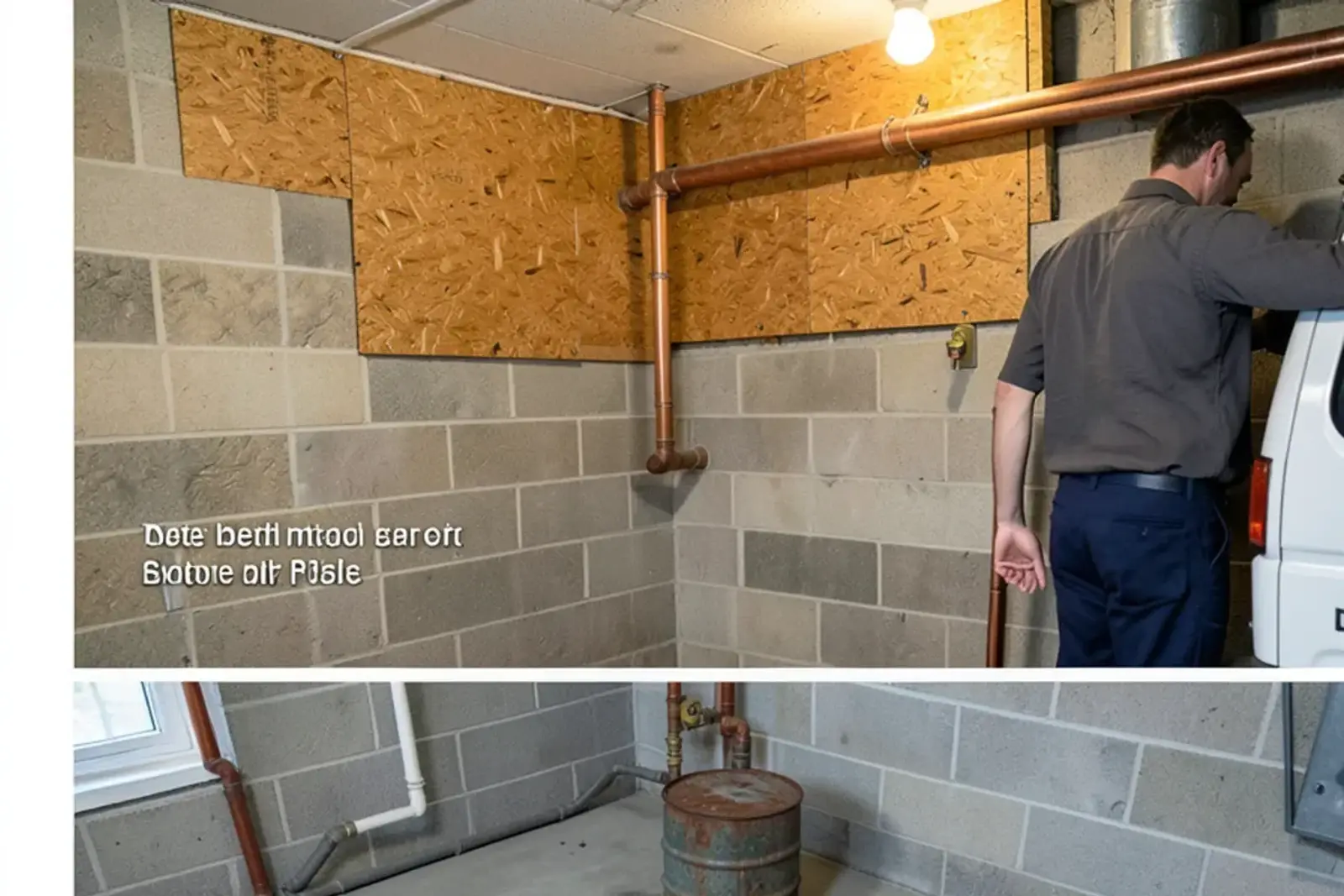
2. Mount the unit and run the vent
Vent pipe runs to its termination at the pitch the manual calls for, with every joint glued or locked as the listing requires.
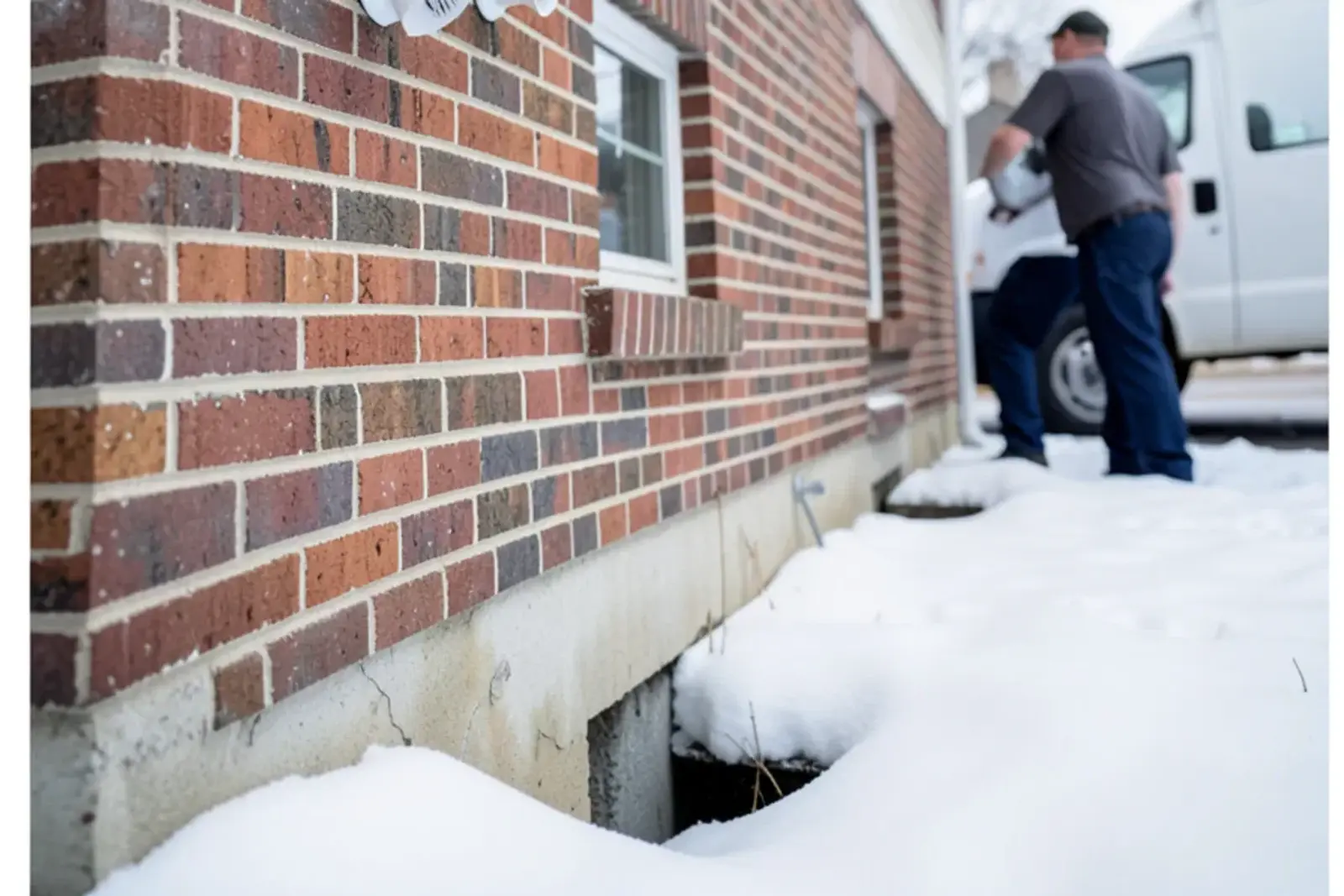
3. Upsize and test the gas line
New gas piping goes in, gets its sediment trap and shutoff, and is pressure tested before the city inspector sees it.
4. Water, service valves and condensate
Hot and cold lines connect through isolation valves with flush ports, and the condensate line runs to its drain.
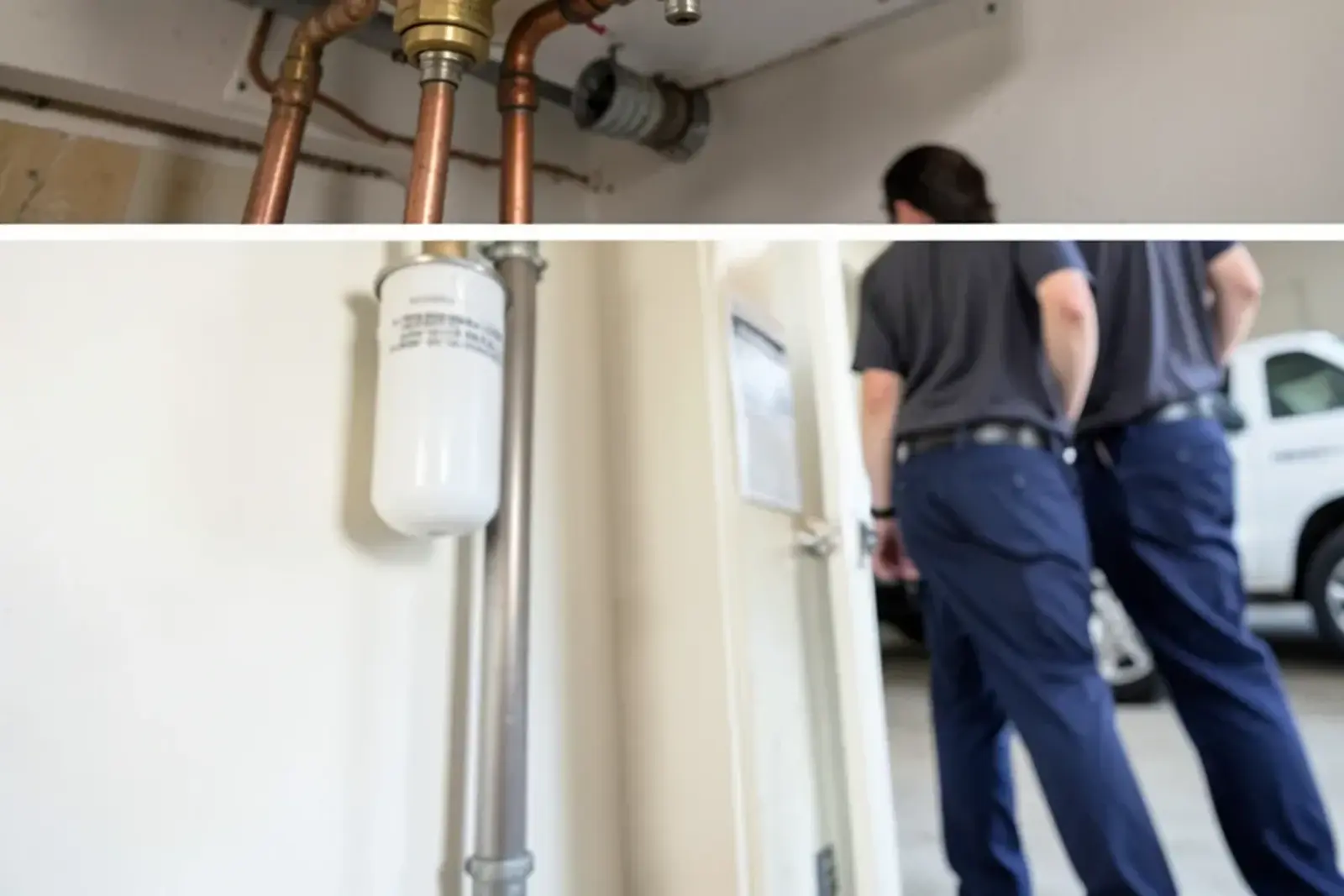
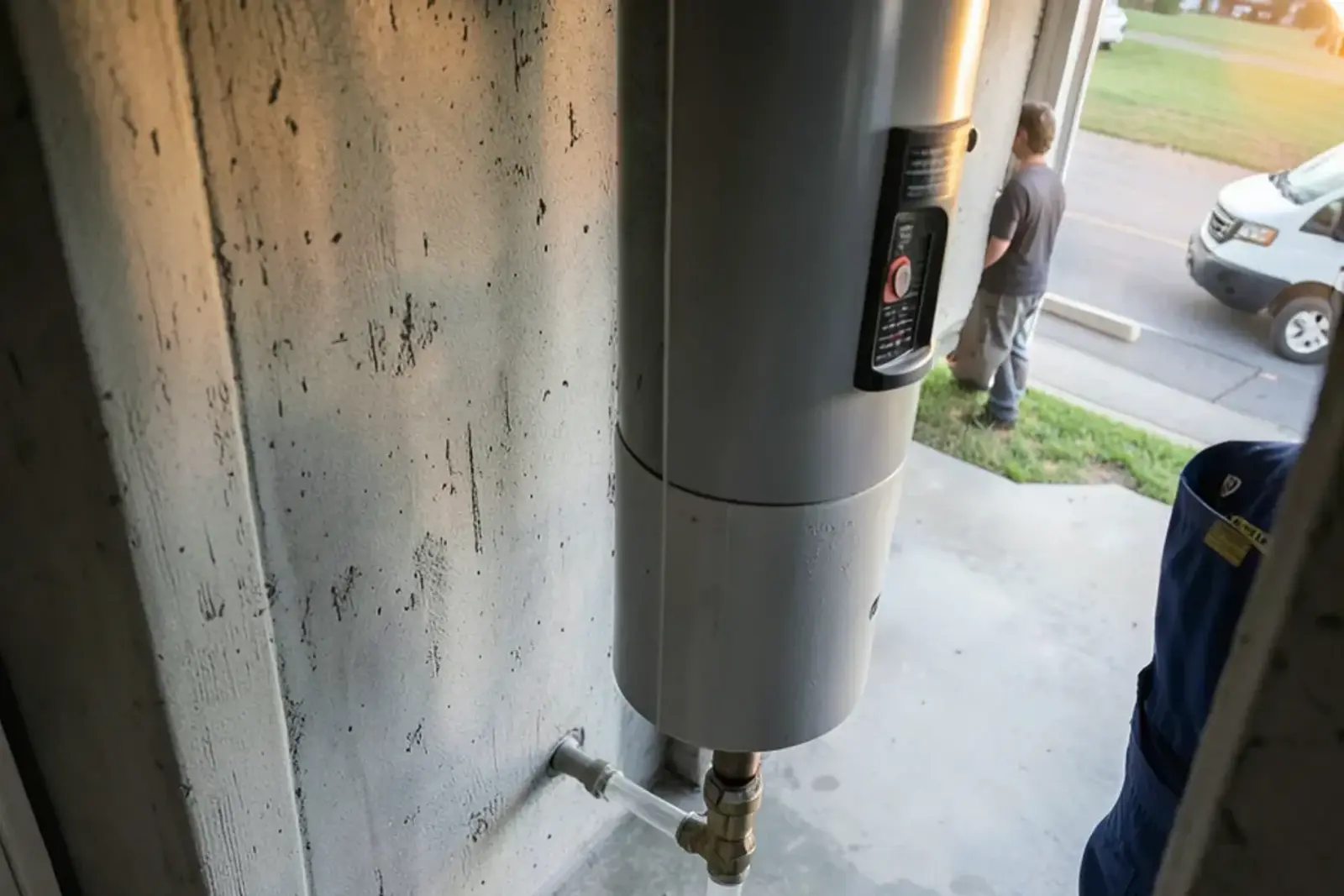
5. Start up and inspection
We purge air, fire the unit, check gas pressure and combustion against the manual, and set the temperature. A conversion takes longer than a tank swap because of the vent and gas work. Plumbing and mechanical inspections are booked for a Tuesday or Thursday morning.
Cost factors, descaling and warranty terms
What moves the price: the length and size of new gas pipe, the vent route and how many walls or joists it crosses, a condensate pump if there's no drain nearby, a new outlet, chimney work for the furnace left behind, unit size, and city permit fees.
The biggest swing is the gas run. A unit hung near the meter and trunk may need only a short new branch; one at the far end of a ranch basement may need pipe all the way back. A meter review by Consumers Energy adds a step. Moving the heater lengthens the gas, vent and water runs.
Fraser's water is moderately hard at about 105 to 113 mg/L, roughly 6 to 6.6 grains per gallon. Scale in the heat exchanger shows up as reduced flow, temperature swings or an error code. Descaling means circulating a cleaning solution through the service valves on the schedule your manual sets. Some owners pair a tankless unit with a softener; that's a separate decision.
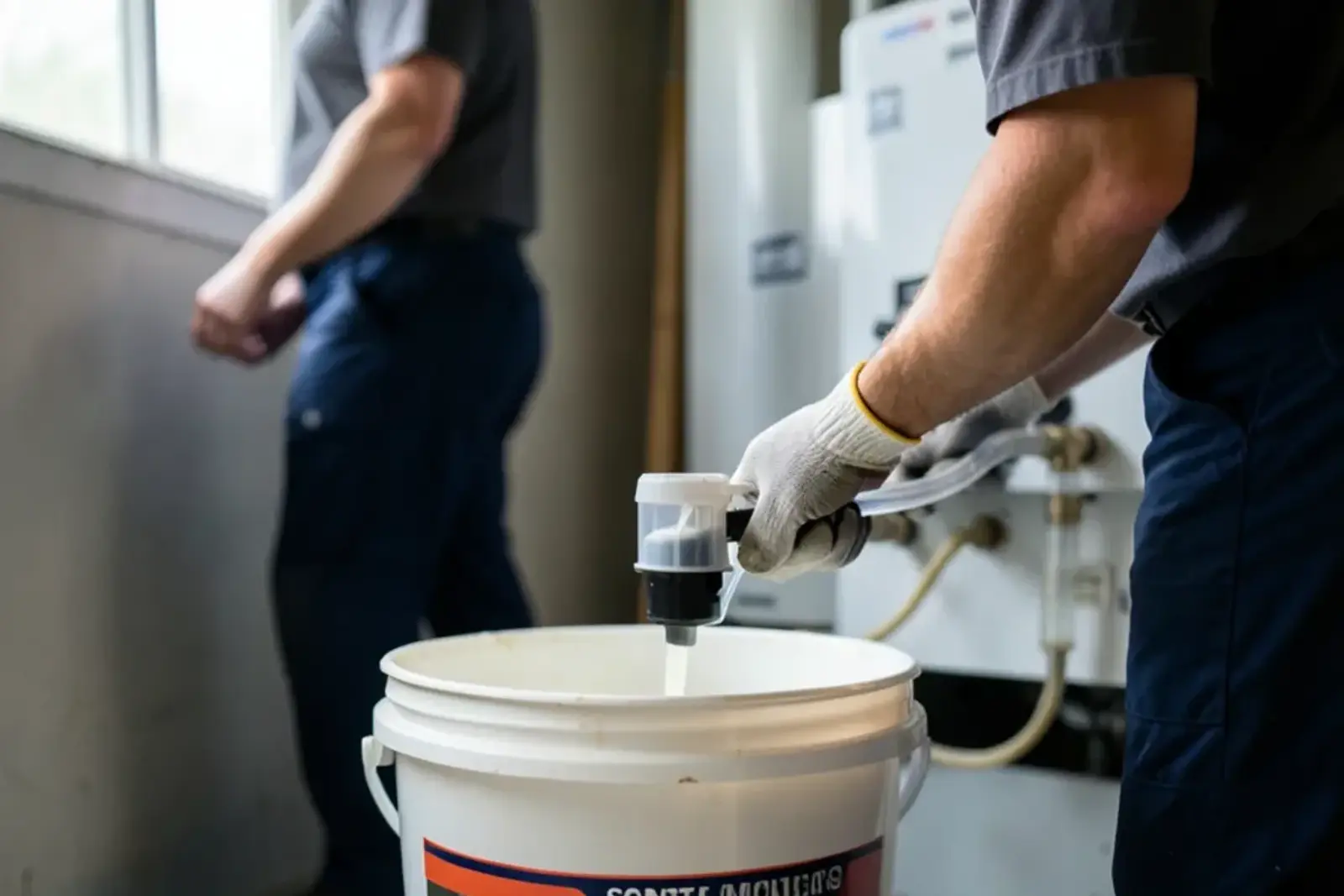
Warranty comes from the manufacturer. Heat exchanger and parts terms usually differ, and the paperwork often ties coverage to maintenance and water-quality conditions, so read those pages before you buy. Ask for these in writing from any installer: the model and serial number, the heat exchanger and parts terms, who handles labor on a claim, the permit numbers and the gas test result.
We plan tankless conversions for homes in Macomb Township, Sterling Heights and Shelby Township as well as Fraser. Our post on water heater permits in Michigan covers the permit side statewide.
Why call us about tankless in Fraser
We're on Janet Ave, just south of 14 Mile, and in Fraser's 1950s through 1970s basements the deciding question is usually the gas line, not the heater. On a call to (207) 419-2600 we ask what the furnace, range and dryer draw, how far the heater sits from the meter and whether the furnace shares the chimney. If the answers point to a long upsized run or a furnace left alone in its flue, you hear it before the walkthrough, along with the Fraser permits that apply. Sometimes the better answer is a new tank, and we'll tell you that too.
Going tankless in a Fraser house, common questions
How do I know if my Fraser home can handle a tankless water heater?
Three checks decide it: the gas piping, and sometimes the meter, must supply the unit's full burner input with everything else running; a vent route out a side wall or roof must meet the manual's clearances; and condensate needs an approved drain. A walkthrough of the basement and gas line answers all three before you commit.
Will a tankless water heater keep up in a Michigan winter?
It will if it's sized for winter. Lake Huron water arrives much colder in February than in August, so the same unit delivers fewer gallons per minute in cold months. Sizing from your real peak use, such as two showers plus a dishwasher, at the winter temperature rise keeps the flow steady. Undersized units feel fine in summer and run short in January.
How often does a tankless water heater need descaling in Fraser?
Follow the schedule in your unit's manual, since makers set it by model and water conditions. Fraser's water is moderately hard, about 105 to 113 mg/L, so scale does build in the heat exchanger over time. Reduced flow, temperature swings or a scale error code are signs it's due. Service valves with flush ports make the job simple.
Do I need a permit to install a tankless water heater in Fraser?
Yes. Fraser's fee schedule lists water heaters on its plumbing and mechanical schedules, and new gas piping is billed on the mechanical schedule with a pressure test per meter. Applications go in online, and the permit holder books the Tuesday or Thursday morning inspection.
More help alongside tankless water heater installation
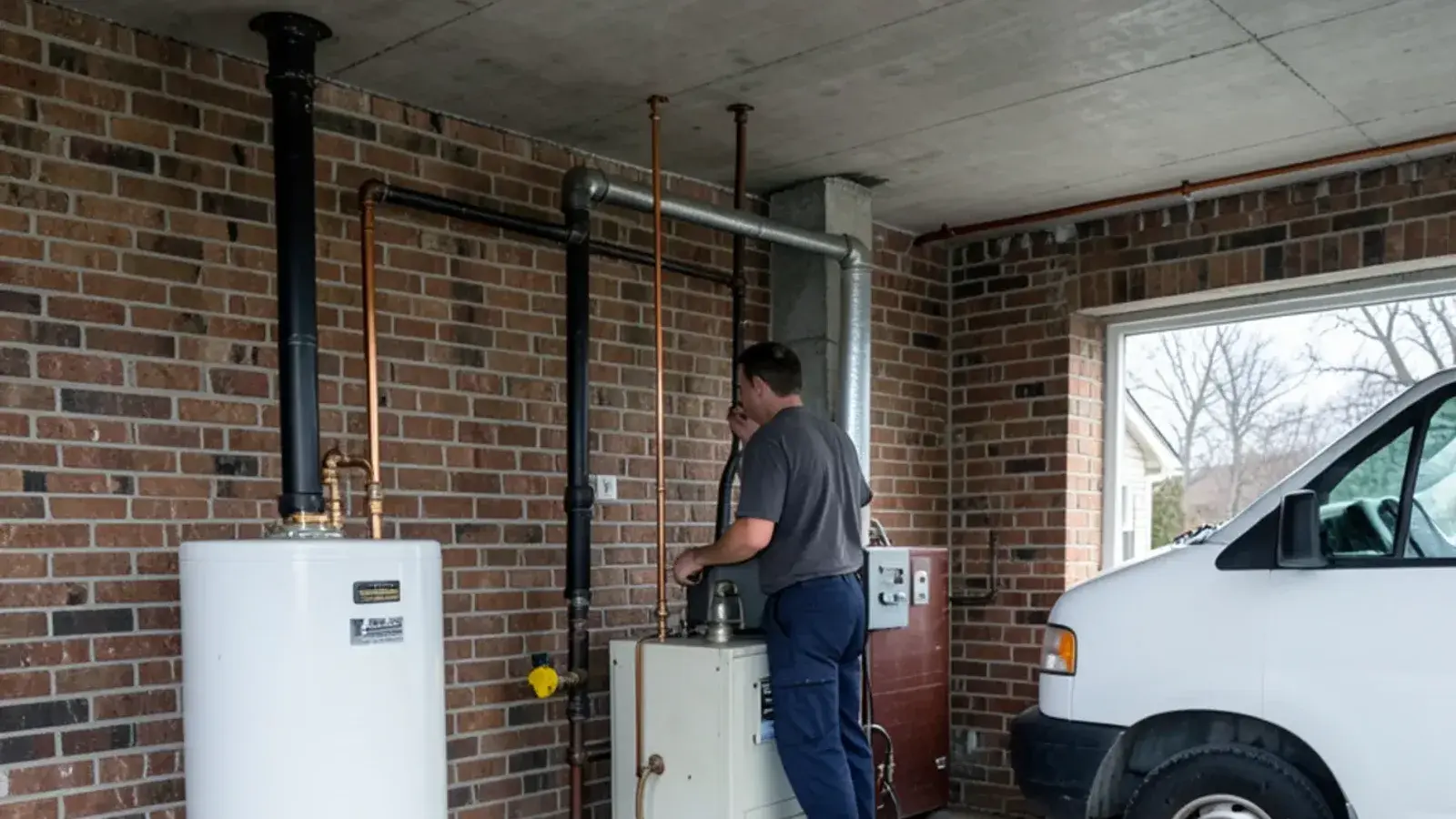
Water heater installation
New tank sized to your busiest hour, permitted with the city and set up for inspection
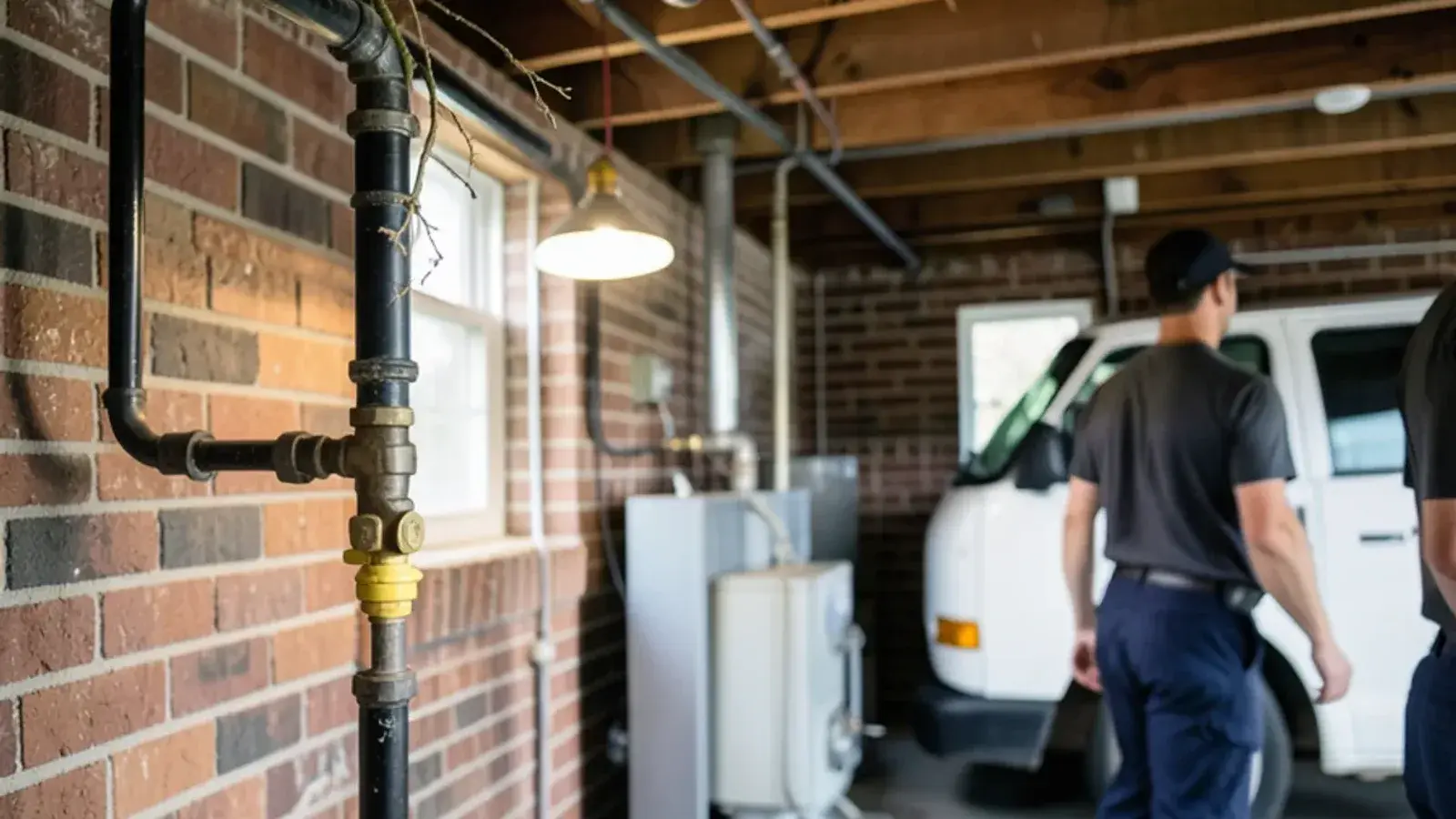
Gas line repair and installation
New gas runs and leak repairs, permitted as mechanical work and pressure tested before use
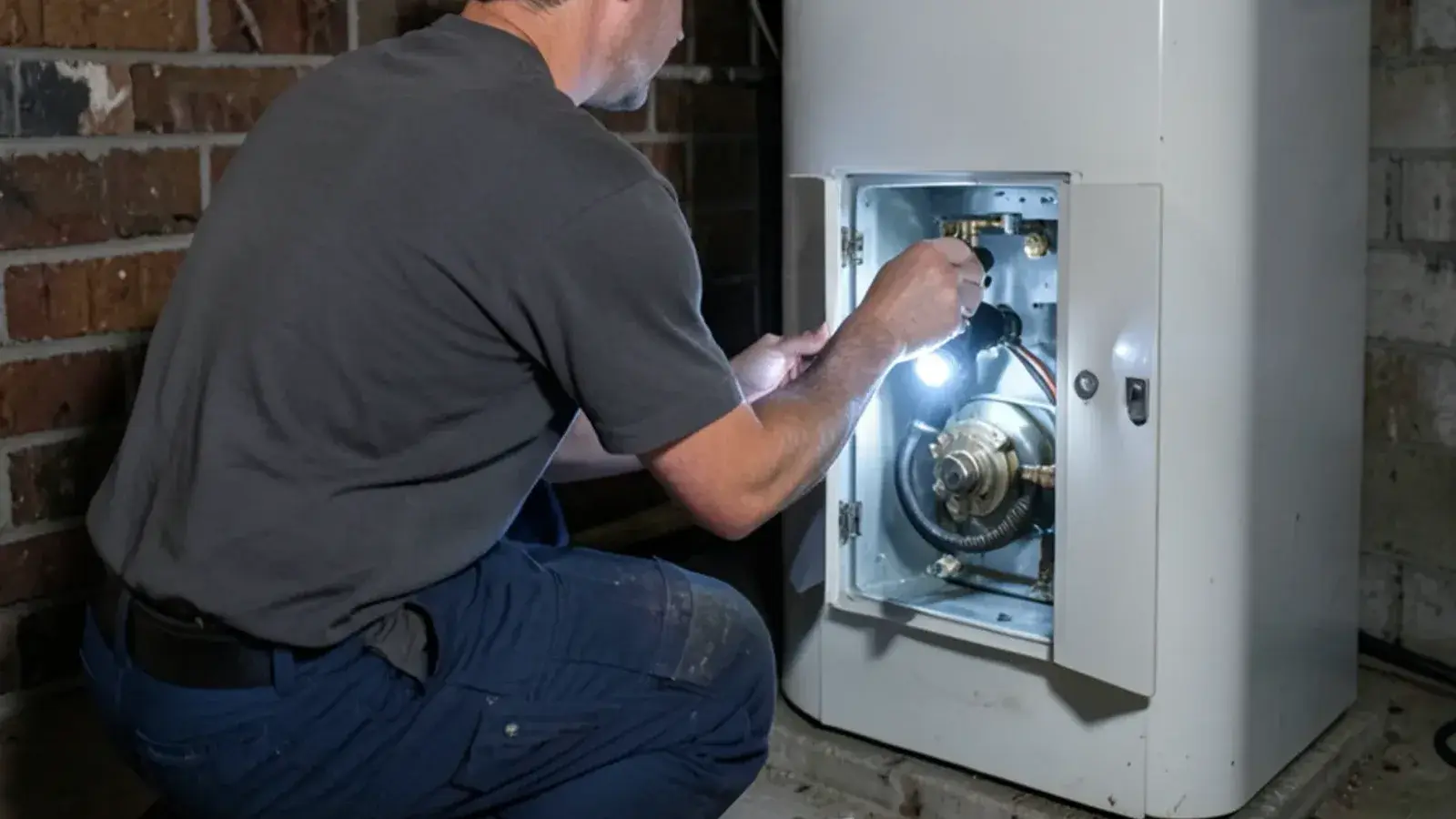
Water heater repair
Finds the failed part on gas or electric tanks and tells you plainly if the tank is done
Where we handle tankless water heater installation around Fraser