
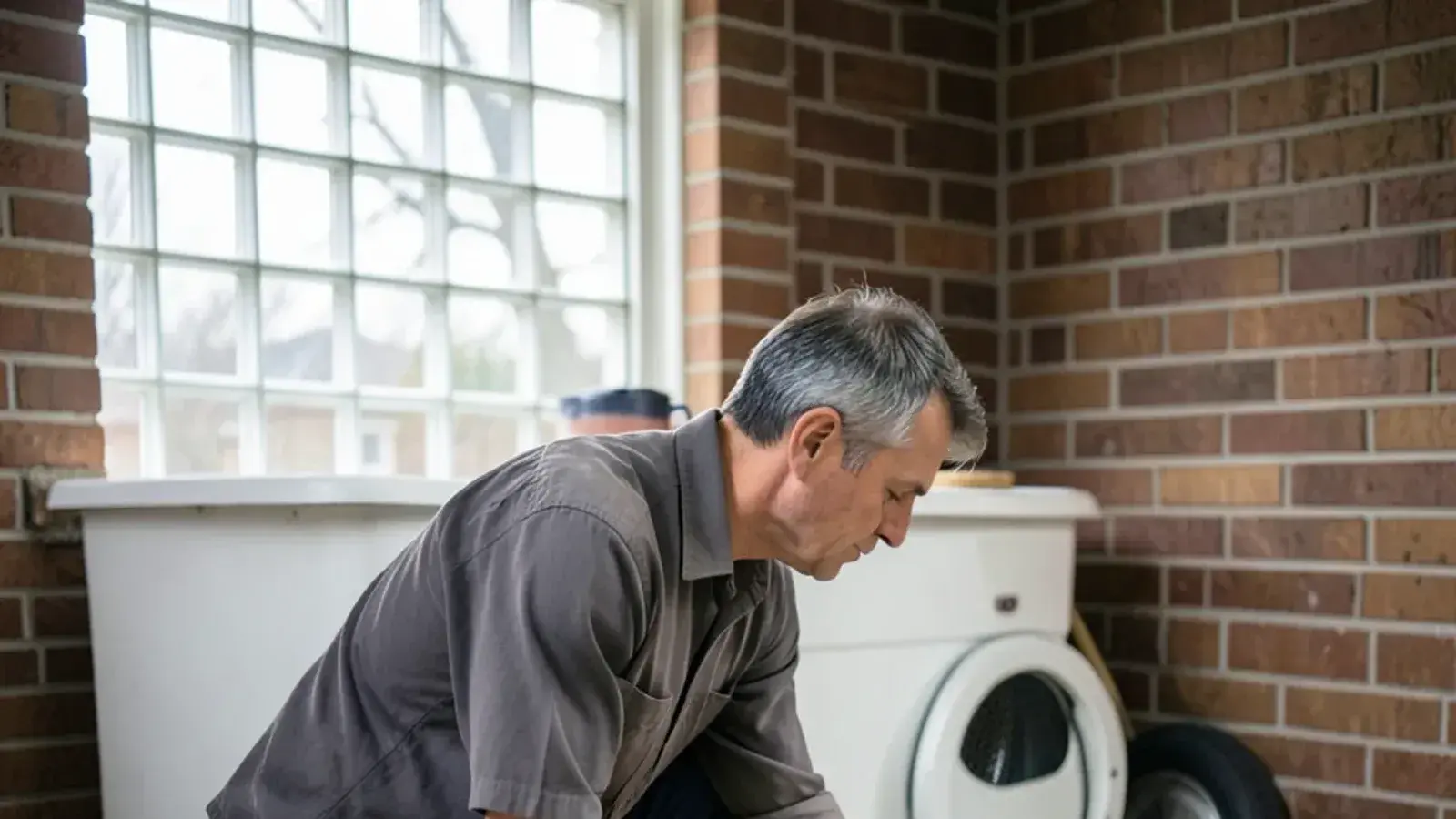
Most clogs in Fraser houses fall into two groups. Some are local, like hair in a tub drain or a toilet that met a wad of wipes. Others sit downstream in the building drain or sewer lateral, where one blockage backs up the whole house. The fix and the cost differ a lot, so the first minutes of any visit go to sorting out which one you have. A drain cleaning visit can cover:
- Sink, tub and shower traps and branch lines
- Toilets cleared with a closet auger
- The main line, cabled from the basement cleanout
- Floor drains and laundry standpipes
- A camera pass when a clog keeps coming back
Is it one clogged drain or a main line clog?
Walk the house before you call. If only the bathroom sink is slow, the trouble is almost always in that sink's trap or the short pipe behind the wall. If the tub fills when the toilet flushes, or the basement floor drain bubbles while the washer pumps out, water is looking for the lowest exit because the pipe below it is blocked. That's a main line clog.
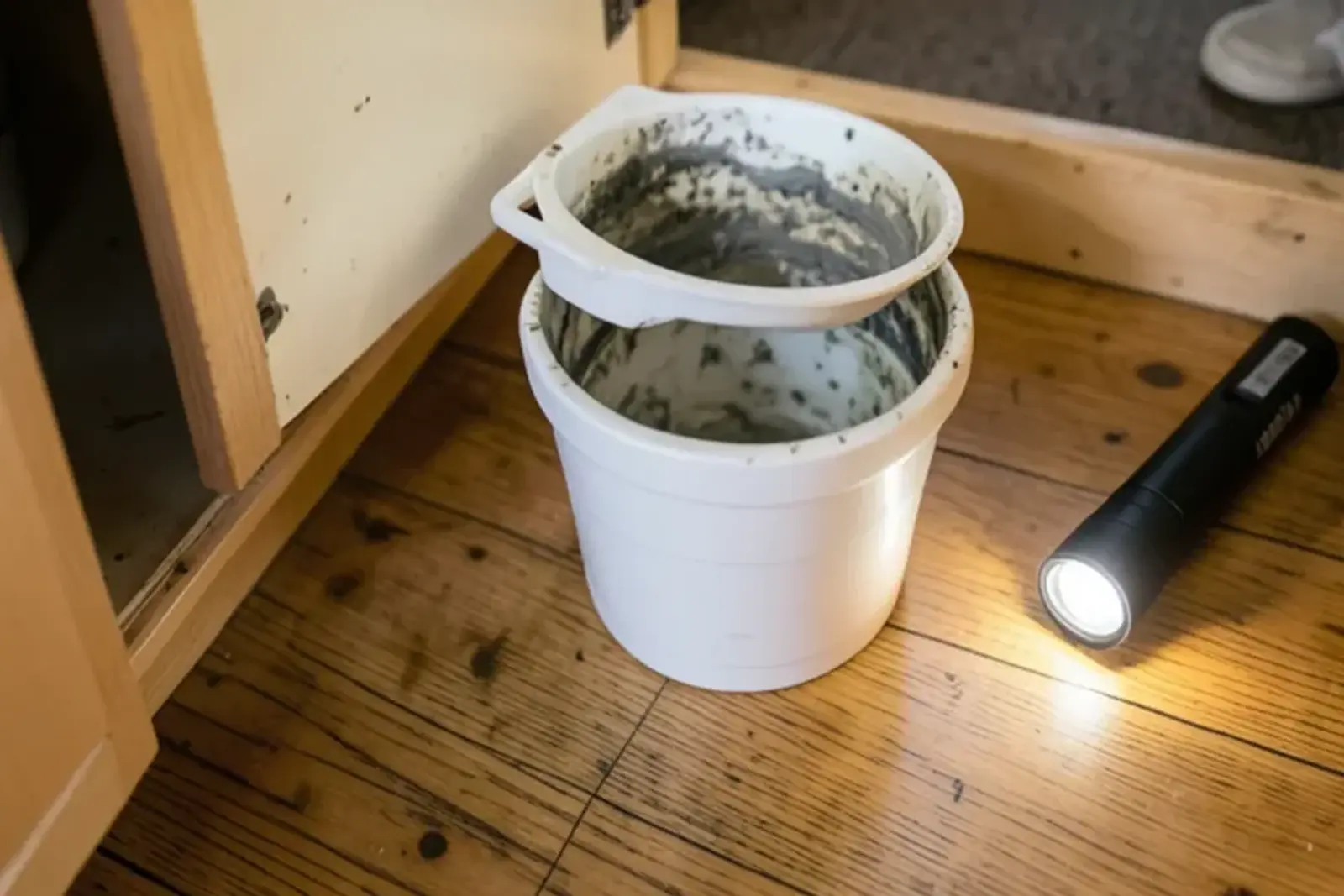
Other tells that point past a single fixture:
- Gurgling from a toilet or tub when a different fixture drains
- Water around the floor drain after laundry, with no rain outside
- Several fixtures slow at once, worst on the lowest level
- A sewer smell near the floor drain or the cleanout
Gurgling while every drain still runs fine can mean a blocked roof vent instead of a clog.
If the floor drain is taking on water, stop running water upstairs. Every flush, shower and load of laundry ends up on the basement floor until the line is open.
What clogs drains in Fraser's ranches and split-levels
Fraser's housing runs from 1950s and 1960s ranches through 1970s split-levels and condos, and the Census puts the median build year at 1972. Plenty of homes from those decades still drain through cast iron under the floor and clay tile outside, the pipe the city's fee schedule calls "crock." Old cast iron roughens inside as it ages, and that rough wall grabs grease and paper. Crock comes in short sections joined end to end, and fine roots find the seams.
The City of Fraser names grease, tree roots and sand as the usual blockers of a private sewer line. Wipes belong on that list too, and the city warns against flushing them, "flushable" or not. Kitchen lines clog from fat that goes down warm and hardens a few feet later. The city's handout specifically says not to run hot water and dish soap through the disposal to wash grease along. It only moves the plug deeper.
Fraser code doesn't allow footing drains, weep tile or downspouts into the sanitary sewer. A downspout still tied into an old basement drain sends roof water into the same pipe your floor drain uses, which can tip a partial clog into a backup during a storm. Our post on why a basement floor drain backs up when it pours covers that pattern.
When drain snaking is enough and when it isn't
Drain snaking means feeding a steel cable with a cutting head through the pipe. For hair in a tub, a toy in a toilet or a soft stoppage in a kitchen arm, a properly sized cable opens the drain and that's the end of it. A cable punches a hole through the blockage, though. It doesn't scrub the wall. If grease has narrowed a kitchen line along its whole length, or roots grow back through the same joint every year, the cable only buys time.
| What you're dealing with | Usual first step |
|---|---|
| One slow sink, tub or shower | Clean the trap, then a small hand cable |
| Toilet won't flush, nothing else affected | Closet auger through the bowl |
| Floor drain or several fixtures backing up | Main line cable from the cleanout |
| The same main line clog every year | Camera, then jetting or repair |
That's when we talk about hydro jetting the line, which uses water under pressure to strip the pipe wall, or about a camera run. The post on hydro jetting versus drain snaking goes through the trade-offs. If the camera finds a broken or sagging section, no cleaning method fixes it, and the next step is sewer line inspection and repair.
How drain cleaning in Fraser works, step by step
Asking what happened first
Which fixtures are affected, and does it show up after rain, after laundry or at random? Those answers point to a branch or the main before any tool comes out.
Finding the right access point
A branch line is usually cleared from the fixture. For the main, we want the cleanout, the capped fitting that gives a cable a straight shot into the building drain without pulling a toilet. Some Fraser basements have a brass cleanout plug nobody has opened in decades. If it's seized or the fitting is cracked, we'll tell you before forcing it.

Clearing the line
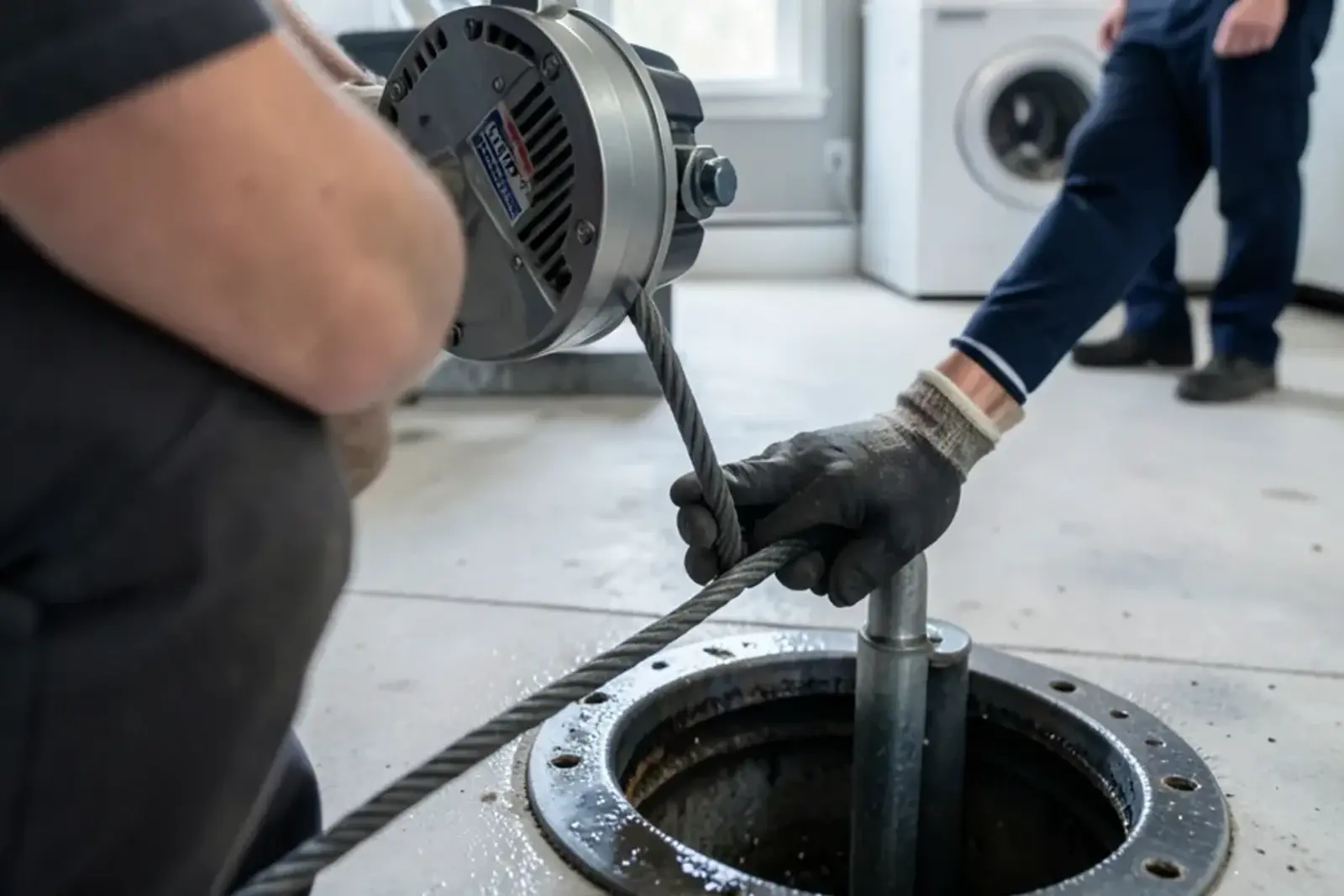
We run the cable until water moves freely, then flush with enough volume to prove it. On a main line that means running several fixtures at once and watching the floor drain hold.
Checking the result
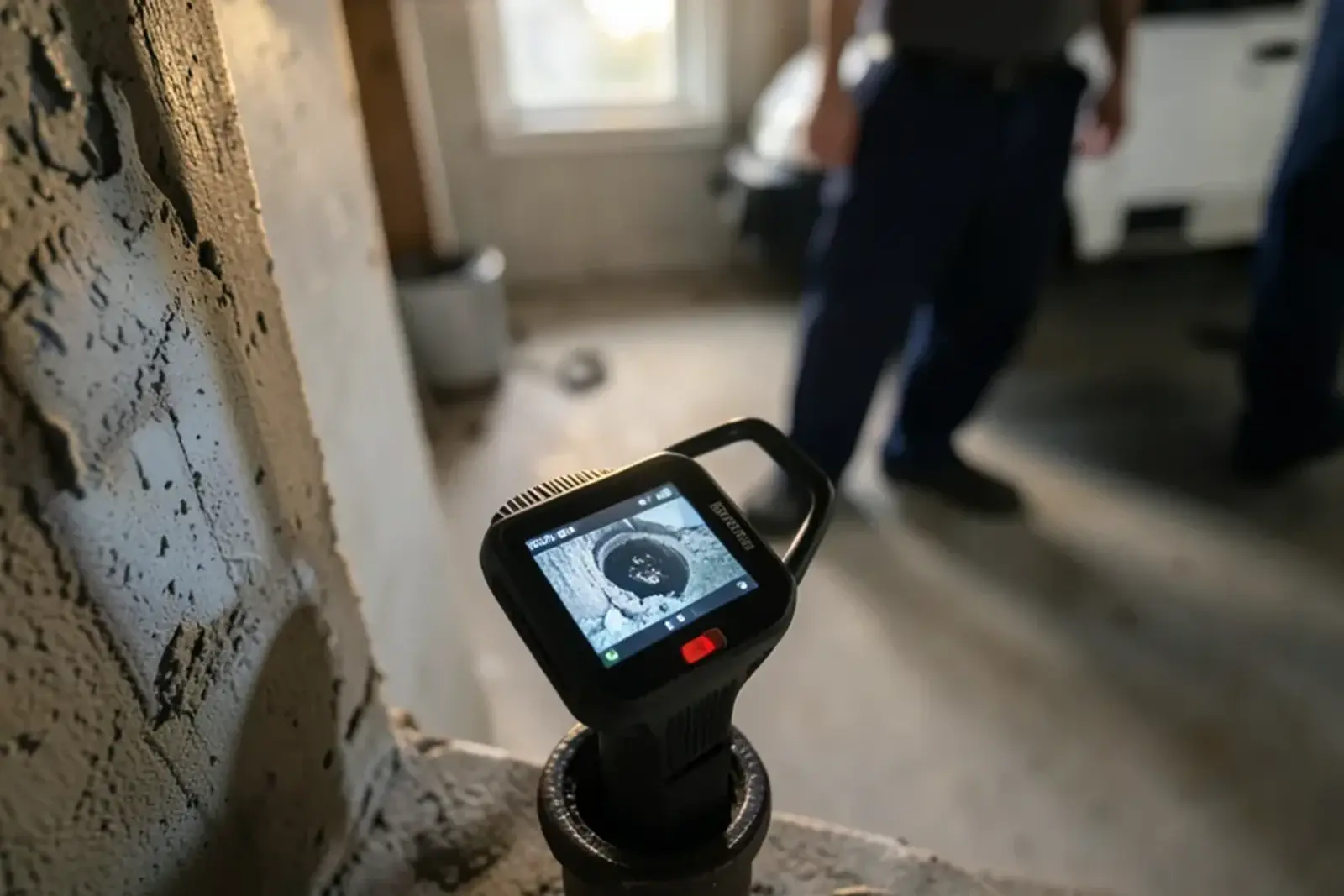
For a main line stoppage, or any clog that keeps coming back, a camera pass after clearing shows whether roots, a sag or a broken joint caused it. You watch the screen with us.
Leaving the drain ready to use
Traps go back together and get checked for drips, and a floor drain gets a bucket of water to refill its trap. Then you hear what caused the clog and whether it's likely to return.
Permits and who can do the work
Clearing a stoppage doesn't need a plumbing permit under LARA's rules, as long as no piping changes. If the job turns into a new cleanout or a cut-in repair, it becomes permitted work, and only a licensed plumbing contractor or a homeowner on their own house can pull that permit. Fraser takes applications online through its Building Department and inspects plumbing Tuesday and Thursday mornings under the 2015 Michigan Residential Code, which calls for a cleanout near where the building drain meets the sewer. Check any plumber on LARA's license search.
Why call a Janet Ave plumber for a clog
We're at 32940 Janet Ave, among the 1950s through 1970s houses whose cast iron and crock this page describes. Call (207) 419-2600 and tell us which fixtures are affected and when. That answer decides whether the visit starts at a sink trap or the basement cleanout, and nobody quotes a camera run or jetting until the cable work shows it's needed.
What changes the cost of clearing a clog?
We don't post prices, because the same complaint can be a quick trap cleaning or a long afternoon in the basement. These are the things that move the number:
- Where the clog sits: a fixture trap, a branch line, or the main past the foundation
- Access: a working cleanout versus pulling a toilet or going through a roof vent
- What it is: hair and soap, grease, roots or something solid
- Whether a camera run is needed to find the cause
- Whether the line needs jetting after it's opened
- Timing, if you need help outside a normal weekday, since evenings and weekends usually cost more across the trade
- Replacing a cracked cleanout, which Fraser's FY 2026–27 fee schedule permits under its $50 "Crock to Iron / Cleanout / Exterior Sewer Line Repair" line
Habits that keep kitchen and floor drains running
Wipe greasy pans with a paper towel before washing them, and pour cooking oil into a can for the trash. Keep wipes, paper towels and hygiene products out of the toilet. Put strainers in tub and shower drains. Pour a bucket of water into a floor drain that rarely gets used so its trap doesn't dry out and let sewer gas in. If your main has needed clearing more than once, a camera look tells you whether roots are coming back, and the city recommends a lateral check every five to ten years anyway.
Kitchen clogs that start at the disposal may need garbage disposal repair too. We also clear drains next door in Roseville, Warren and Clinton Township.
Clogged drain questions from Fraser homeowners
Is a basement floor drain backing up an emergency?
It can be. If sewage is coming up, stop using water everywhere in the house, because every sink, tub and toilet feeds that same line. Keep kids and pets off the wet floor and leave the washer off. Clear water during a storm points to a different cause than a clog. Either way, call (207) 419-2600 and we'll talk through what you're seeing.
What should I ask drain cleaning companies before booking?
Ask whether they'll clear the main from a cleanout or through a fixture, whether a camera is on hand if the clog keeps returning, and what happens if a cable gets stuck or a seized cleanout plug cracks. Ask what the visit includes and what would be extra, and look the contractor up on LARA's free license search.
Does Fraser require a permit to clear a clogged drain?
No. Michigan's plumbing permit rules exempt clearing stoppages when no piping or fixtures are altered. A permit comes into play once the work changes the plumbing, such as replacing a cracked cleanout, cutting in new pipe or fixing the outside sewer line.
Are store-bought drain chemicals safe to try first?
On a slow bathroom sink they sometimes help. On a main line clog they don't, and they leave caustic water standing in the pipe for whoever opens it next. Fraser's sewer lateral handout also asks residents to keep household chemicals out of drains. If you've already poured something in, tell us before we open the trap or the cleanout.
More help alongside drain cleaning and clog removal
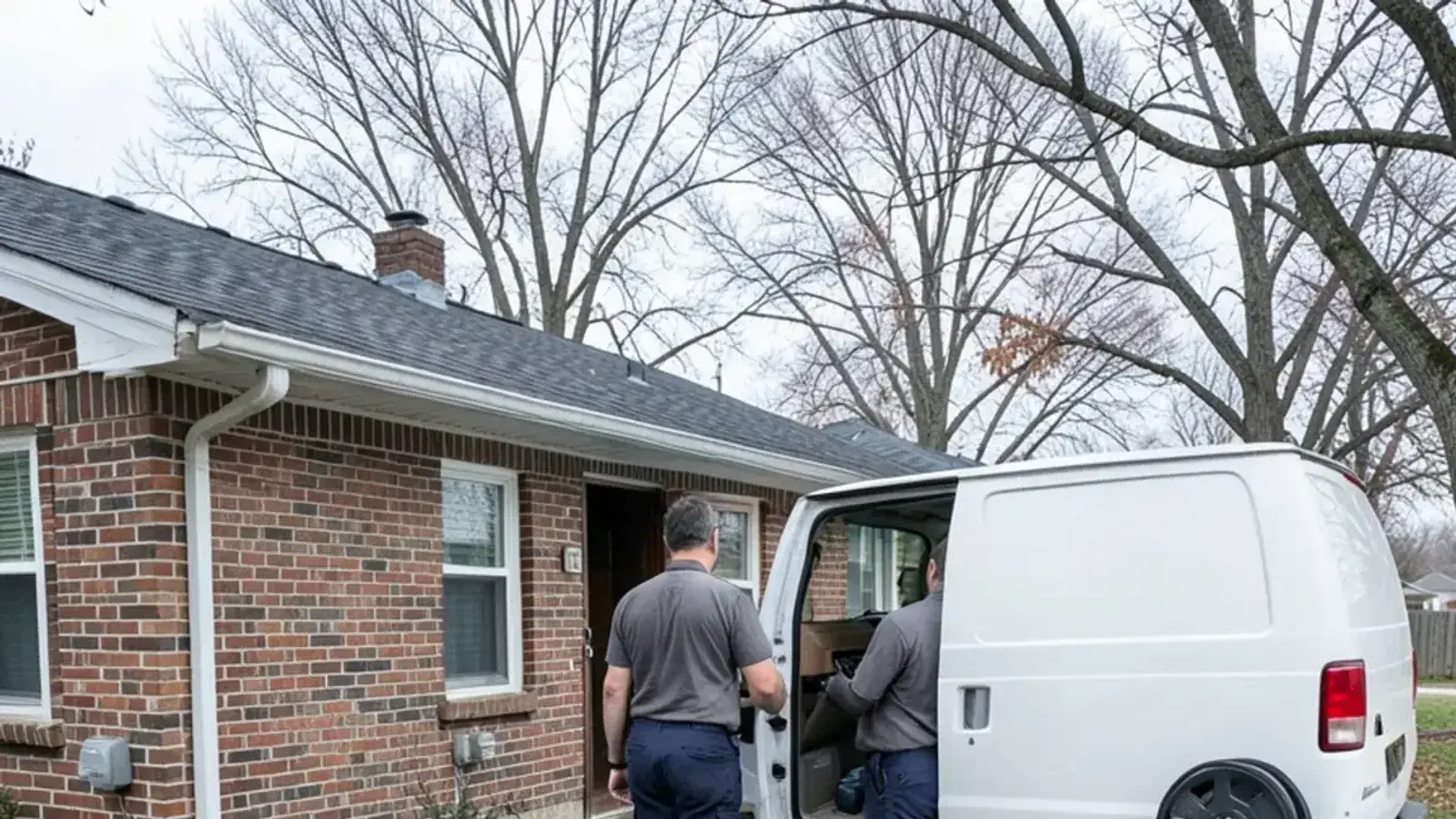
Hydro jetting
Scours grease, scale and roots off the pipe wall, with camera footage before and after
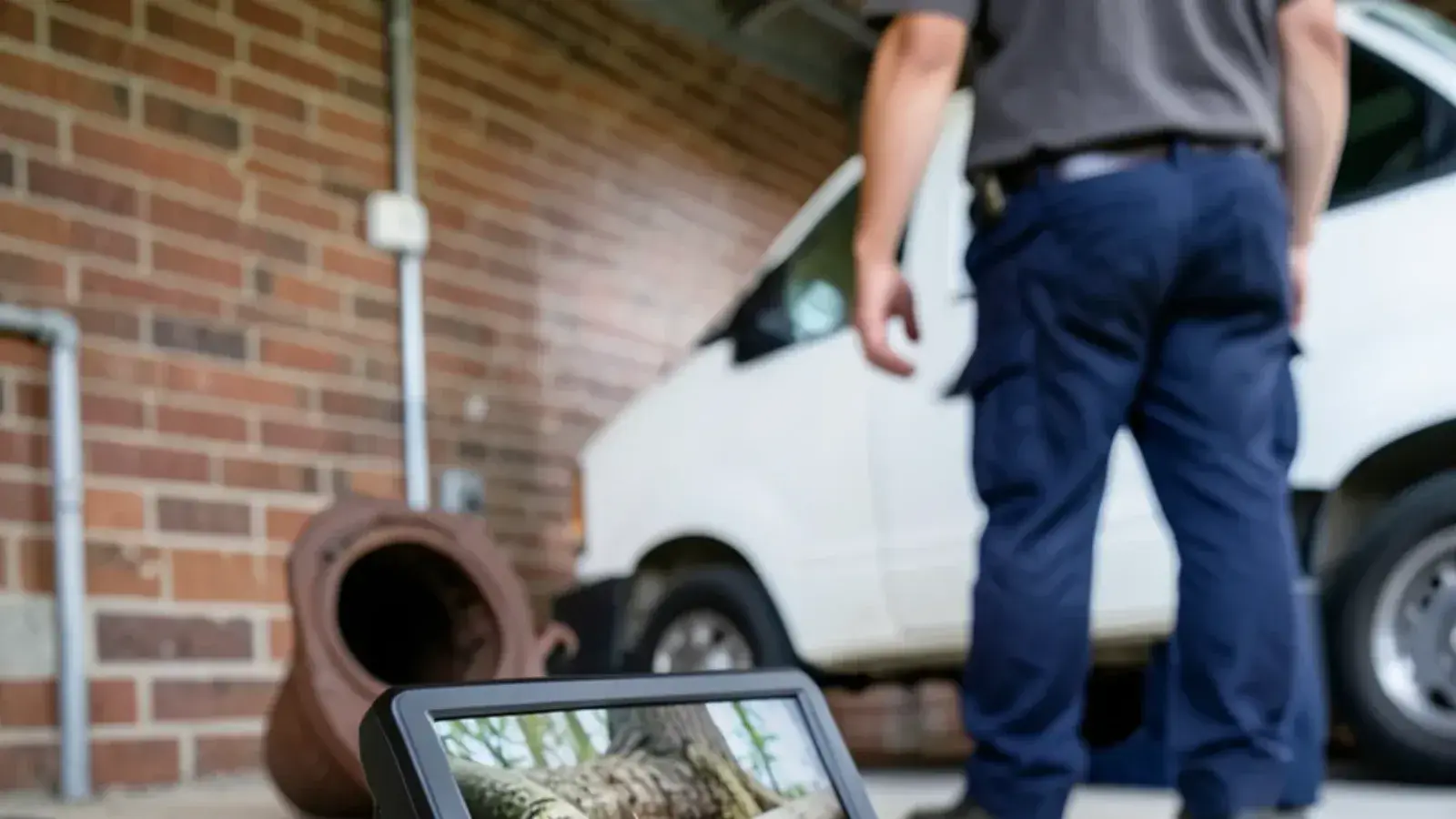
Sewer inspection and line repair
Live camera footage of your lateral, with defects located and marked from the surface
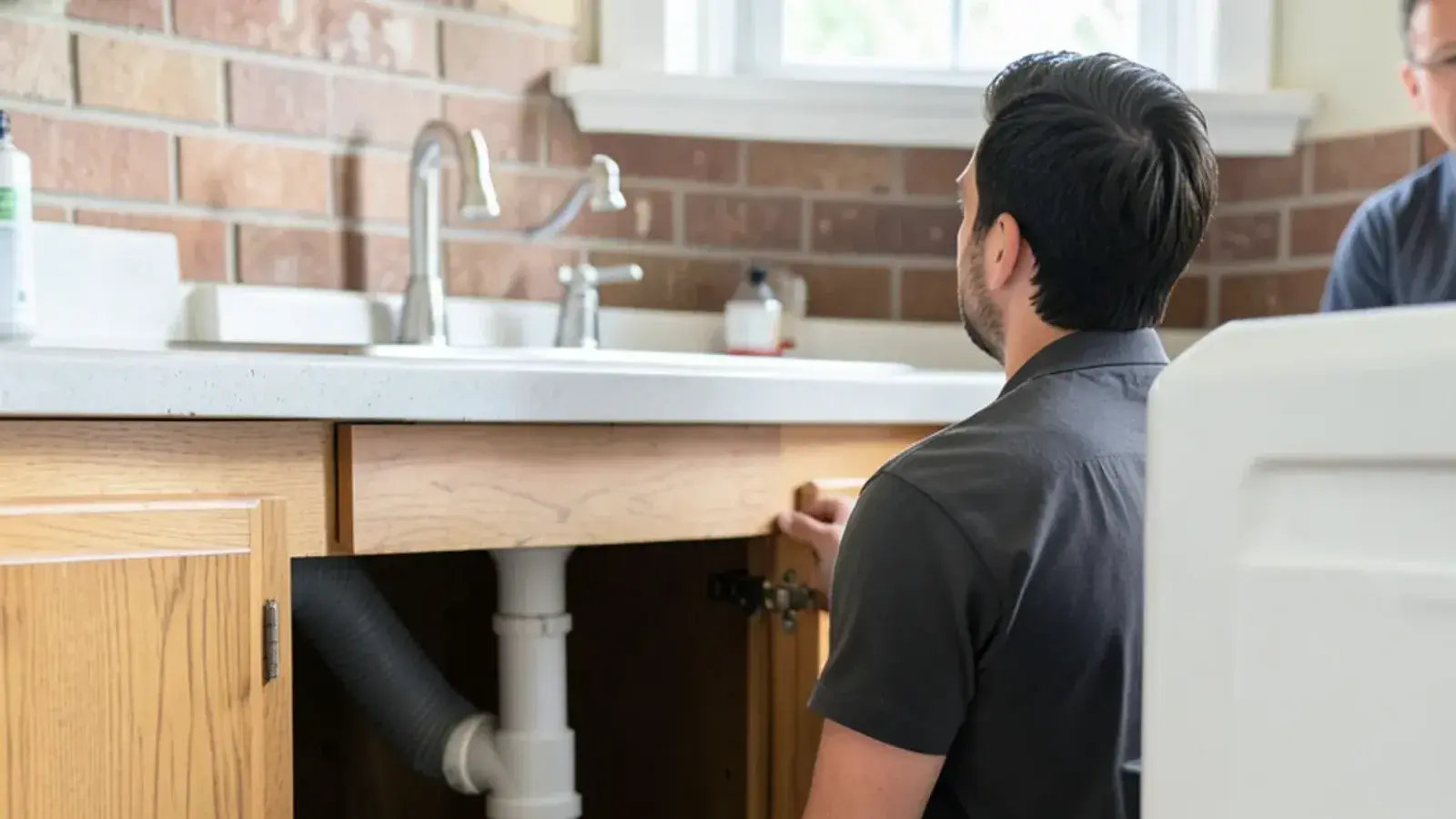
Garbage disposal installation and repair
Frees jams, stops cabinet leaks and installs new disposals with a proper dishwasher loop
- Hydro jetting or drain snaking for a stubborn clog
- Why your basement floor drain backs up when it pours
Where we handle drain cleaning and clog removal around Fraser