
By Plumber in Fraser, MI, Fraser, MI · Published · Last updated
Natural gas has a smell added to it so you'll notice a leak. Most people describe it as rotten eggs or sulfur. If you notice it inside your home, don't stop to find the source. Leave first. Everything else in this guide comes after that.
Get out first, then call from outside
These steps are short on purpose. Read them now, before you need them.
1. Stop what you're doing
Don't flip a light switch, unplug anything, start an appliance, or ring a doorbell. Don't light a match, a candle or a lighter. A spark from a switch is enough to ignite gas that has built up in a room.
2. Get everyone out
Take people and pets out through the nearest door. Leave the door open behind you if it's on your way. Don't go back for belongings, and don't go to the basement to look at the furnace or water heater.
3. Move away from the house
Walk to the sidewalk, a neighbor's yard or across the street. Leave the car in the garage or the driveway, since starting an engine nearby is another ignition source.
4. Call from a safe distance
Once you're well away from the house, call your gas utility's emergency line or 911. The utility's number is printed on your gas bill and on its website. Save it in your phone today so you aren't searching for it on the sidewalk.
5. Stay out until you're told it's safe
Wait for the utility or fire department to check the house and clear you to go back in. They may shut off gas to the house or to a single appliance.
Habits that can ignite a leak
Most of the risk comes from ordinary things people do without thinking. This table lists the common ones.
| What people often do | Why it's dangerous | Do this instead |
|---|---|---|
| Turn on lights to look around | Switches can spark inside the box | Leave every switch as it is and go outside |
| Call from the kitchen | A phone isn't something to handle in a gas-filled room | Call once you're outside and away from the house |
| Open every window first | It keeps you inside longer | Open a door only on your way out |
| Go to the basement to check the furnace | Gas can collect in low, closed spaces | Leave the appliance for the utility or fire department |
| Start the car in the attached garage | An engine is a strong ignition source | Walk away and leave the car |
| Try to find and tighten a leaking fitting | Time inside is the real hazard | Let professionals find the leak with the right equipment |
The City of Mount Clemens gives a related warning in its basement flooding guidance: don't light a flame in an enclosed area with gas-fired or oil-fired appliances. The same logic applies any time the air smells wrong.
How to tell gas from other bad smells
Not every sulfur smell is gas. A dry floor drain trap can let sewer gas into a basement, and some water heaters produce a rotten egg smell in the hot water only. Those problems are unpleasant but not explosive. The trouble is that you can't reliably tell them apart by smell, so don't try.
Signs that point to a gas leak rather than drains:
- The smell is in the air near a gas appliance, the meter or a gas pipe, rather than only at a sink or drain
- You hear hissing or whistling near a gas line or appliance
- Outside, you see dead patches of grass over a buried line, or bubbles in standing water
If any of these fit, or you simply aren't sure, follow the steps above. A false alarm costs a little time. Guessing wrong costs far more.
What happens after the utility clears the house
When the utility arrives, it checks for gas and finds the source. It will tell you whether the leak is on its side of the meter or in your house piping. If it's in your piping or an appliance connection, the utility may shut off that appliance or the whole house and leave it off until the leak is repaired.
That's where a plumber comes in. The repair is the second step, never the first. A gas line repair generally involves finding the leaking joint or fitting, replacing the damaged section, pressure-testing the piping to confirm it holds, and having the work permitted and inspected where your city requires it. Our page on gas line repair and installation explains how that work is done.
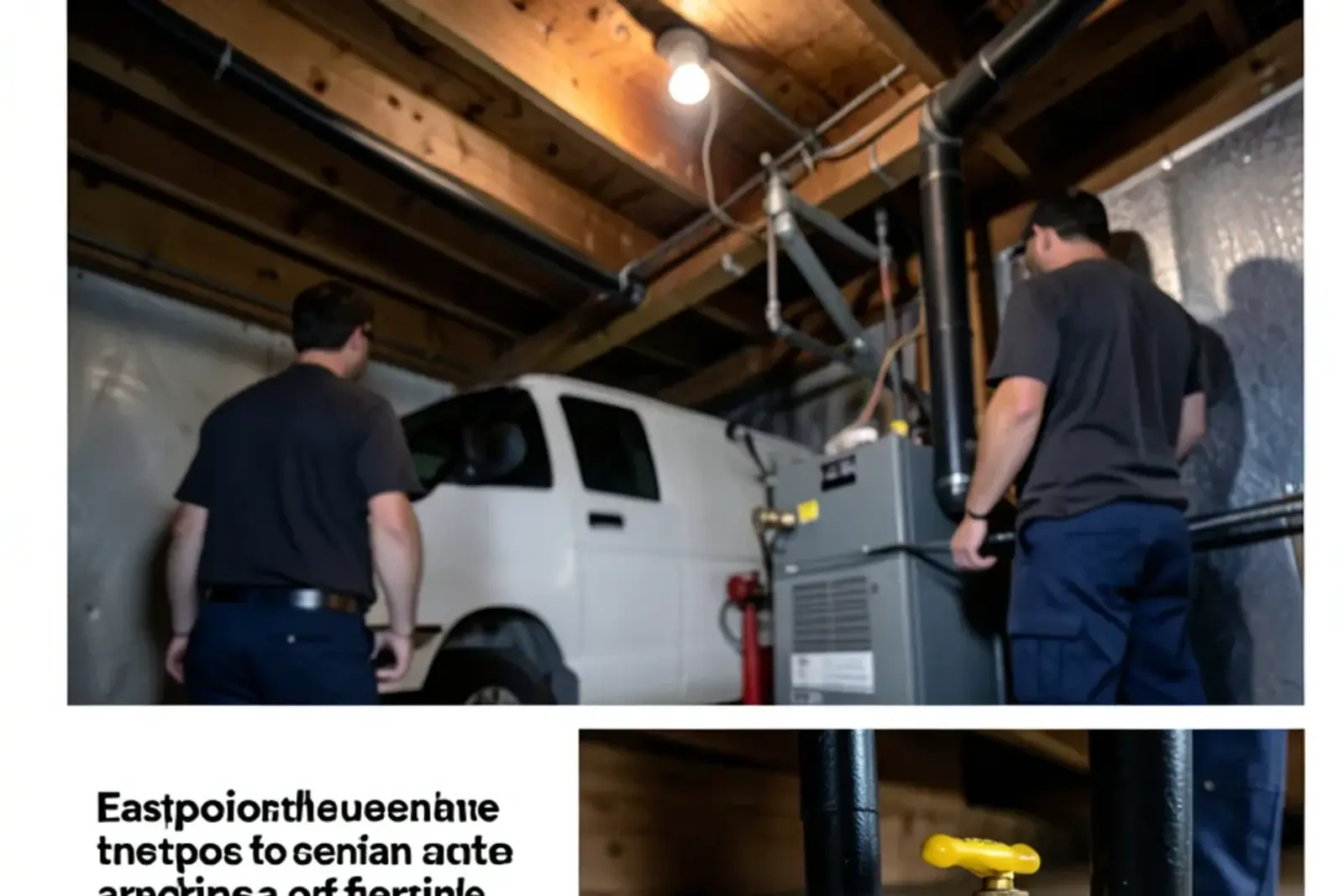
What we see in older gas piping once the house is safe
In older houses around Fraser, the gas piping is often black iron that has been added to over decades. Fraser's housing runs from the 1950s through the 1970s, and in Eastpointe about 78% of homes were built before 1960. Each furnace, water heater, range and dryer swap since then left its mark on the piping, and that's where leaks usually turn up.
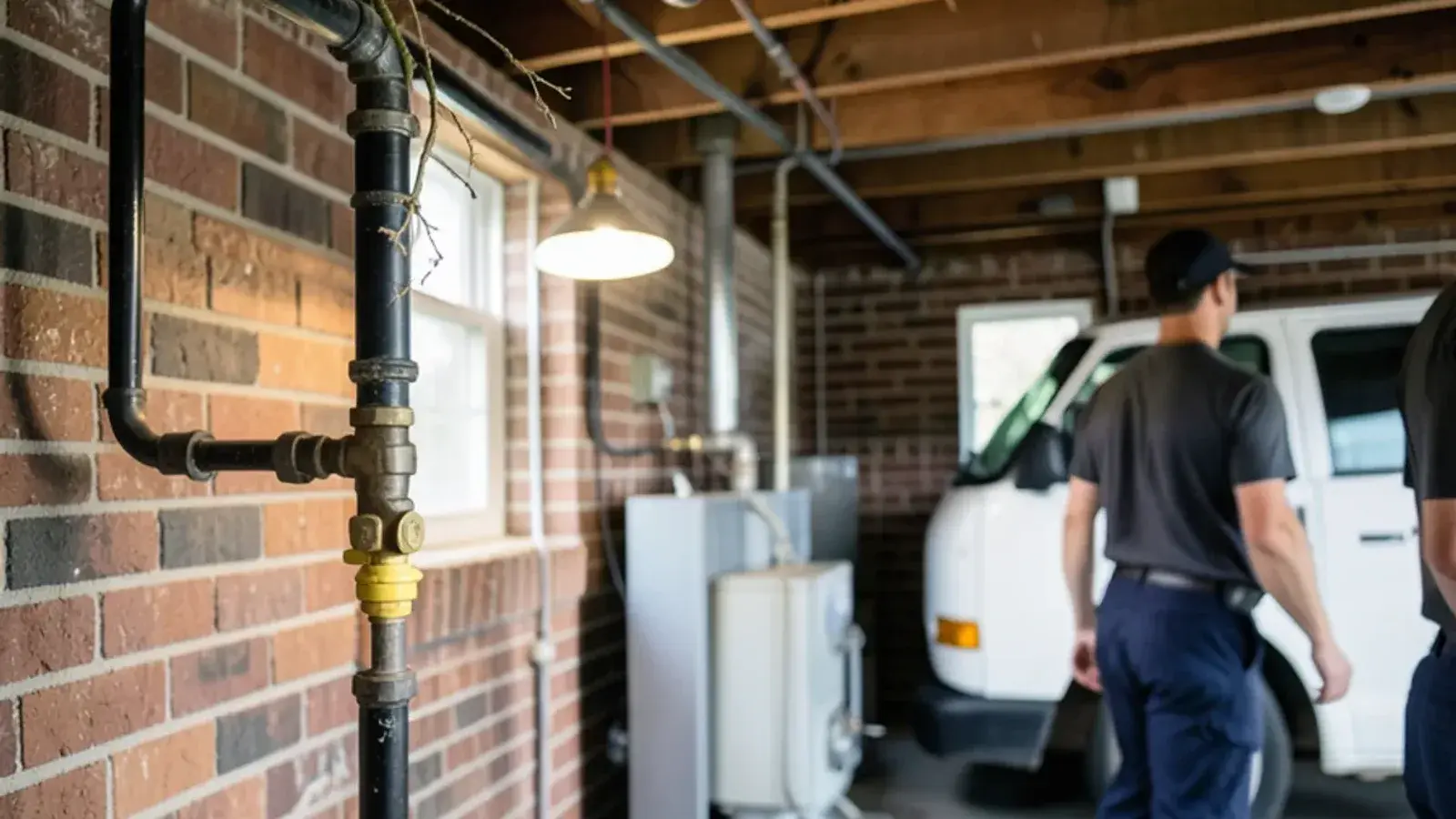
The repeat offenders are easy to list. Threaded joints near appliances that were loosened and retightened more than once. Flexible connectors behind ranges and dryers that have been pushed against the wall, kinked or reused when the appliance changed. A branch left behind when an old gas dryer or space heater came out. Pipe rusting where it passes through a damp foundation wall or sits near the sump.
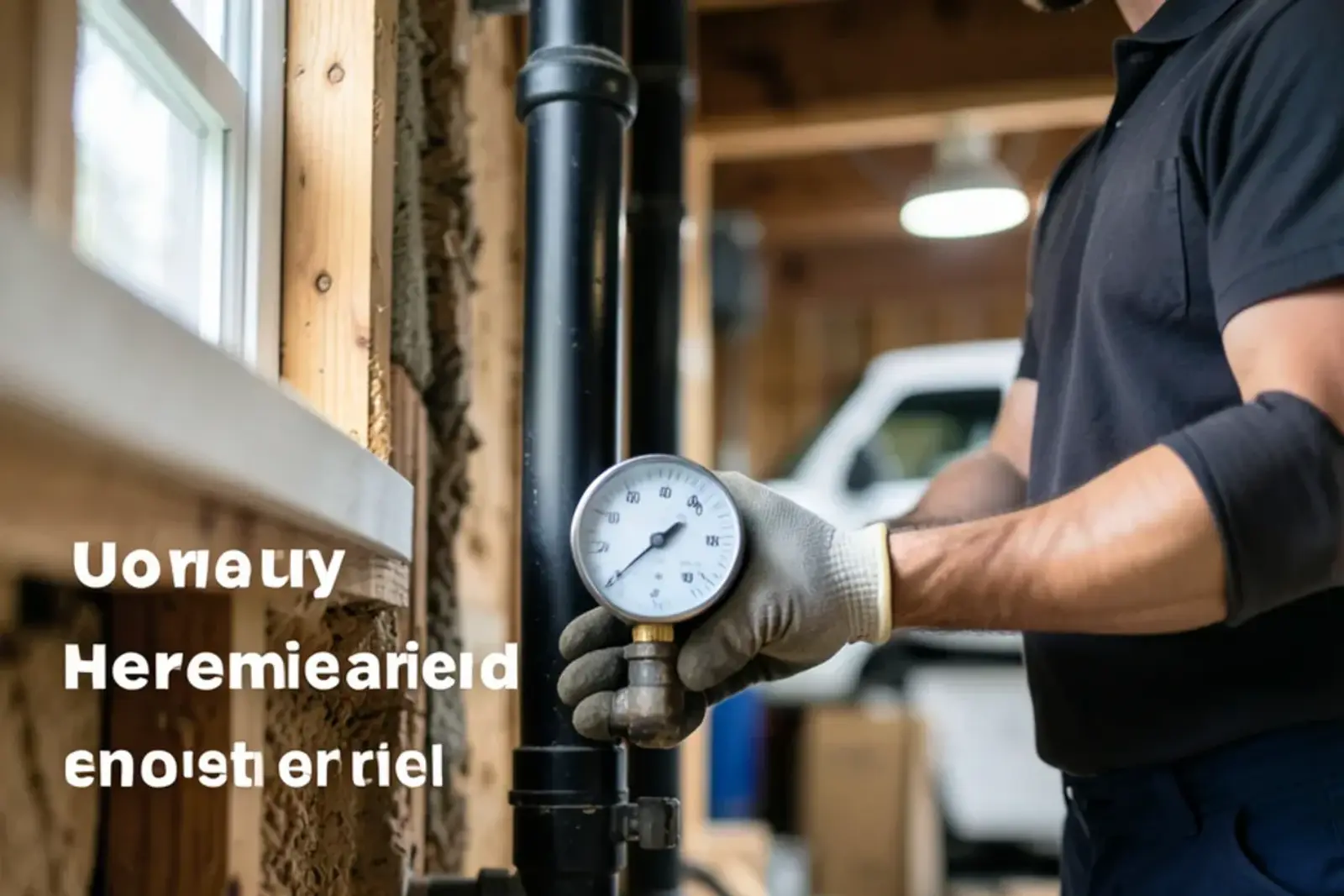
The honest trade-off comes after the leak is found. Fixing one joint is quick and keeps the bill down. But if the old pipe is rusted at the wall, or the test shows more than one leak, replacing that run costs more now and avoids a second shutoff later. Either way, the residential code wants the repaired piping held at no less than 1-1/2 times working pressure and at least 3 psig for 10 minutes, and any drop on the gauge counts as a leak until it's explained.
If the utility leaves your furnace or water heater off in January, you have a cold-house problem as well. When you call about emergency plumbing, ask about protecting your pipes while the heat is off. If you're in Eastpointe, our page on plumbing service in Eastpointe covers the area.
Before you dig, call MISS DIG 811
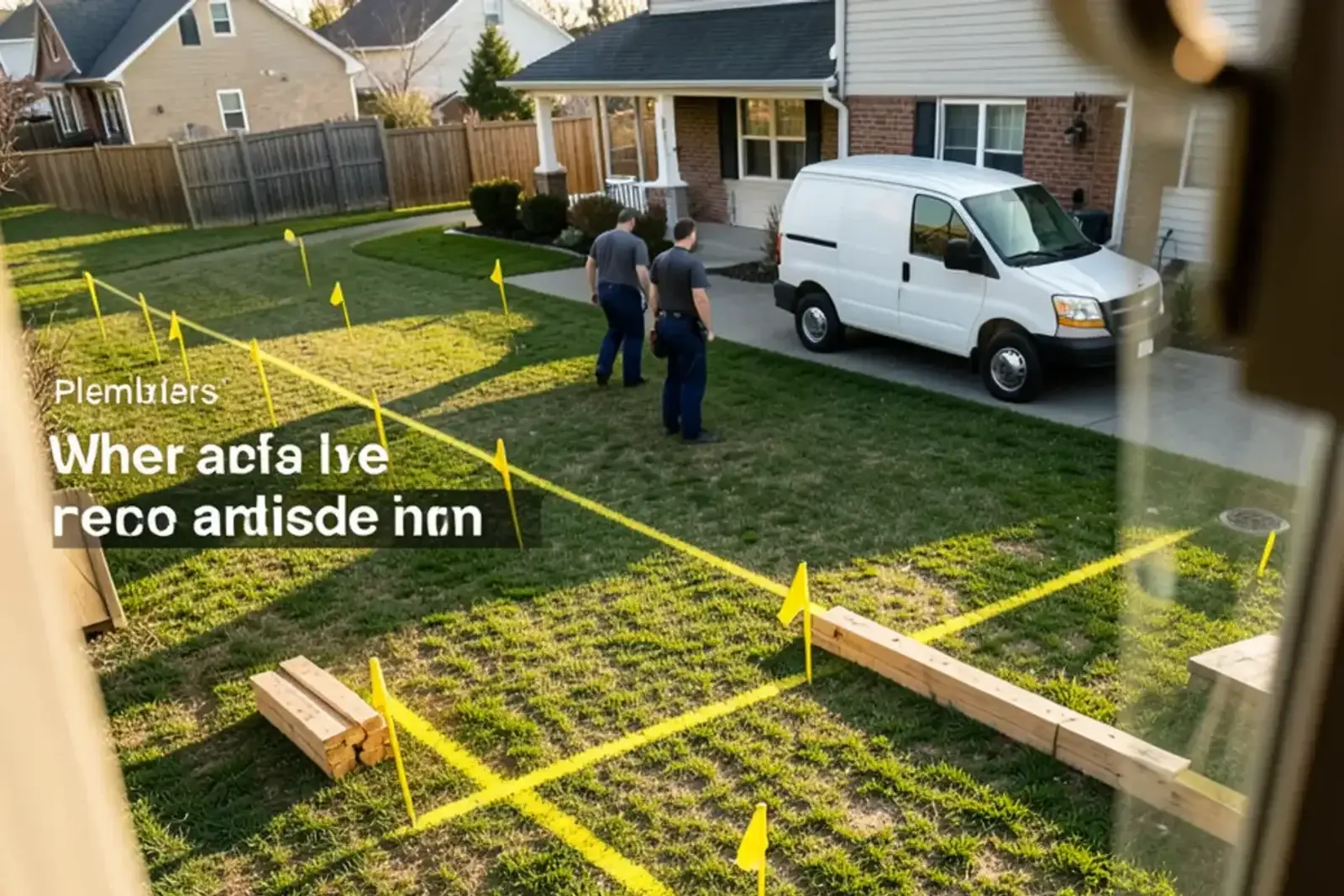
Buried gas lines can run anywhere in a yard, and a shovel or post-hole digger can reach them. Michigan's notification system, MISS DIG 811, says you have to contact it at least 3 business days before any digging project, no matter how small or shallow. You can call 811 or submit the request online, and the service is free.
A few details from MISS DIG catch homeowners off guard:
- Utilities mark their own lines with paint and flags. MISS DIG itself doesn't mark anything.
- Private lines aren't marked. A gas line run to a grill, a detached garage, a pool heater or a shed has to be found by a private locator for a fee.
- Within 4 feet on either side of the marks, you have to dig by hand until the line is exposed.
- If you hit a line and there's a hazard, MISS DIG says to call 911 immediately, then contact the utility.
If you hire a contractor to dig, the contractor is responsible for placing the ticket. Ask to see the ticket number before work starts.
After the all-clear, decide who you need
If the utility found the leak on its own side, or found nothing, you may need no one. If it shut off a single appliance for a burner or control problem, that's an appliance repair, and for the water heater our water heater repair page explains what's checked. If the leak is in the house piping, you need someone who works on gas piping. In Michigan that's a contractor with the right mechanical license, which you can check on LARA's free license search, or an owner doing the work on the single-family home they live in. Either way, ask about the permit and the pressure test before work starts.
Questions about smell gas in house what to do
Will my carbon monoxide alarm warn me about a gas leak?
No. A carbon monoxide alarm detects carbon monoxide, a product of burning fuel badly, not the natural gas itself. A furnace or water heater with a venting problem can set it off, but a leaking pipe usually won't. Keep CO alarms near bedrooms and on each level anyway, and treat a gas smell as a gas leak whether or not any alarm sounds.
Should I shut off the gas at the meter myself?
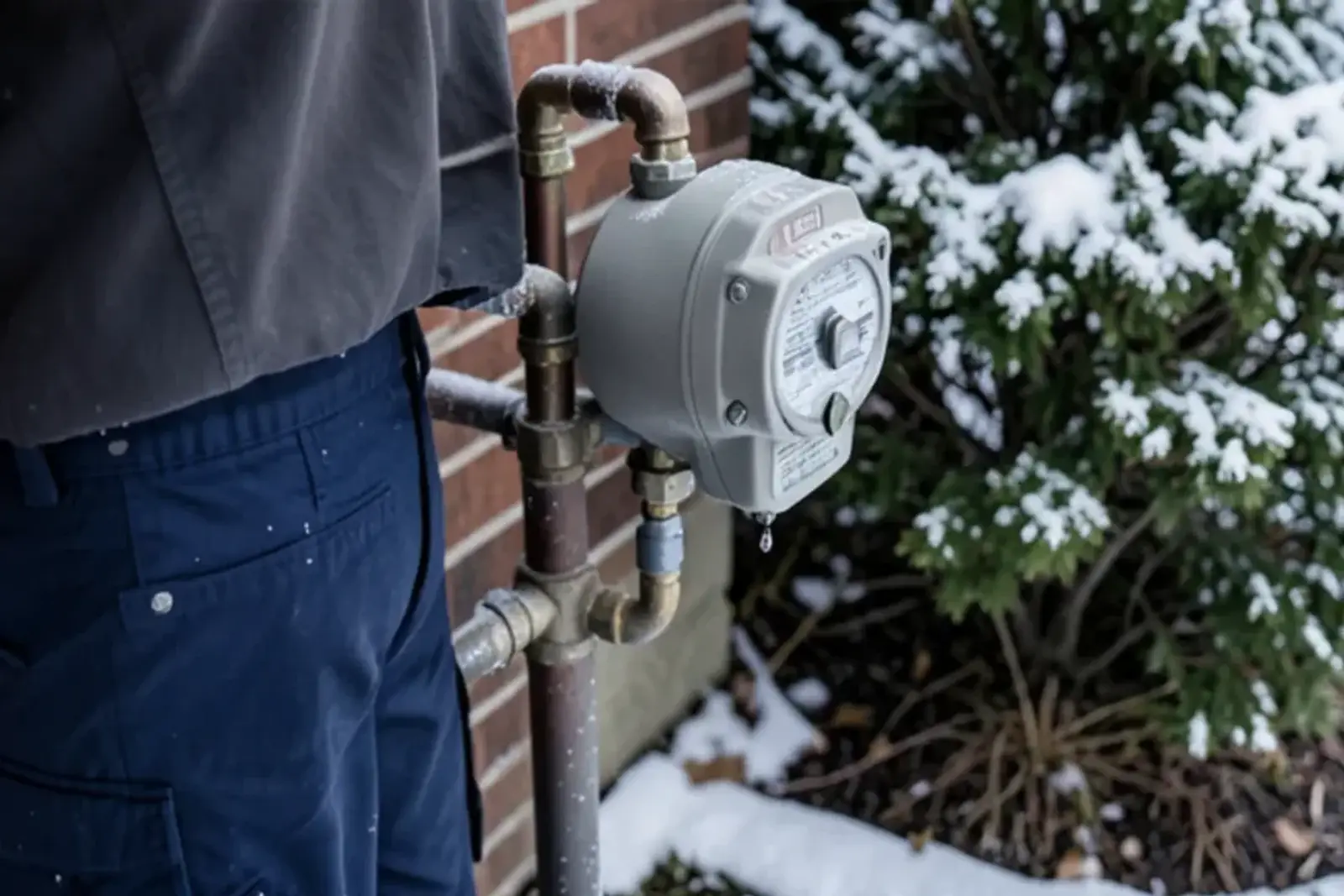
Leave the meter to the utility or the fire department unless they tell you to do it. Turning the meter valve takes a wrench and time near the house, and once gas is shut off there, the utility needs to restore it, check for leaks and relight pilots. Your job is to get out and make the call.
The smell is faint and only near the stove. Is that still a leak?
It might be a burner knob left slightly open or a pilot that went out on an older range. If you can turn the knob off right away without touching any switch, do it, and open a window. If the smell doesn't fade within a few minutes, or you're not sure where it's coming from, leave and call from outside.
Who is responsible for fixing a gas leak inside my house?
The owner, in most cases. Consumers Energy, Fraser's gas utility, says its responsibility runs from the gas main up to and including the meter, and the lines from the meter to your appliances belong to the property owner. If the leak is in that house piping, the utility can leave service off until it's repaired, and the repair is yours to arrange.
Does a gas line repair need a permit and inspection?
Yes, when piping is replaced. Michigan treats gas piping as mechanical work, so it needs a mechanical permit and a pressure test. In Fraser the fee schedule lists gas piping up to five openings at $40 and a $40 pressure test per meter, and the city's mechanical inspections run Tuesday and Thursday mornings. Ask whoever does the repair who pulls the permit.
Fraser plumbing services for this problem
Gas line repair and installation
New gas runs and leak repairs, permitted as mechanical work and pressure tested before use
Emergency plumbing
Help finding your shutoff on the phone, then a repair that stops the water at its source
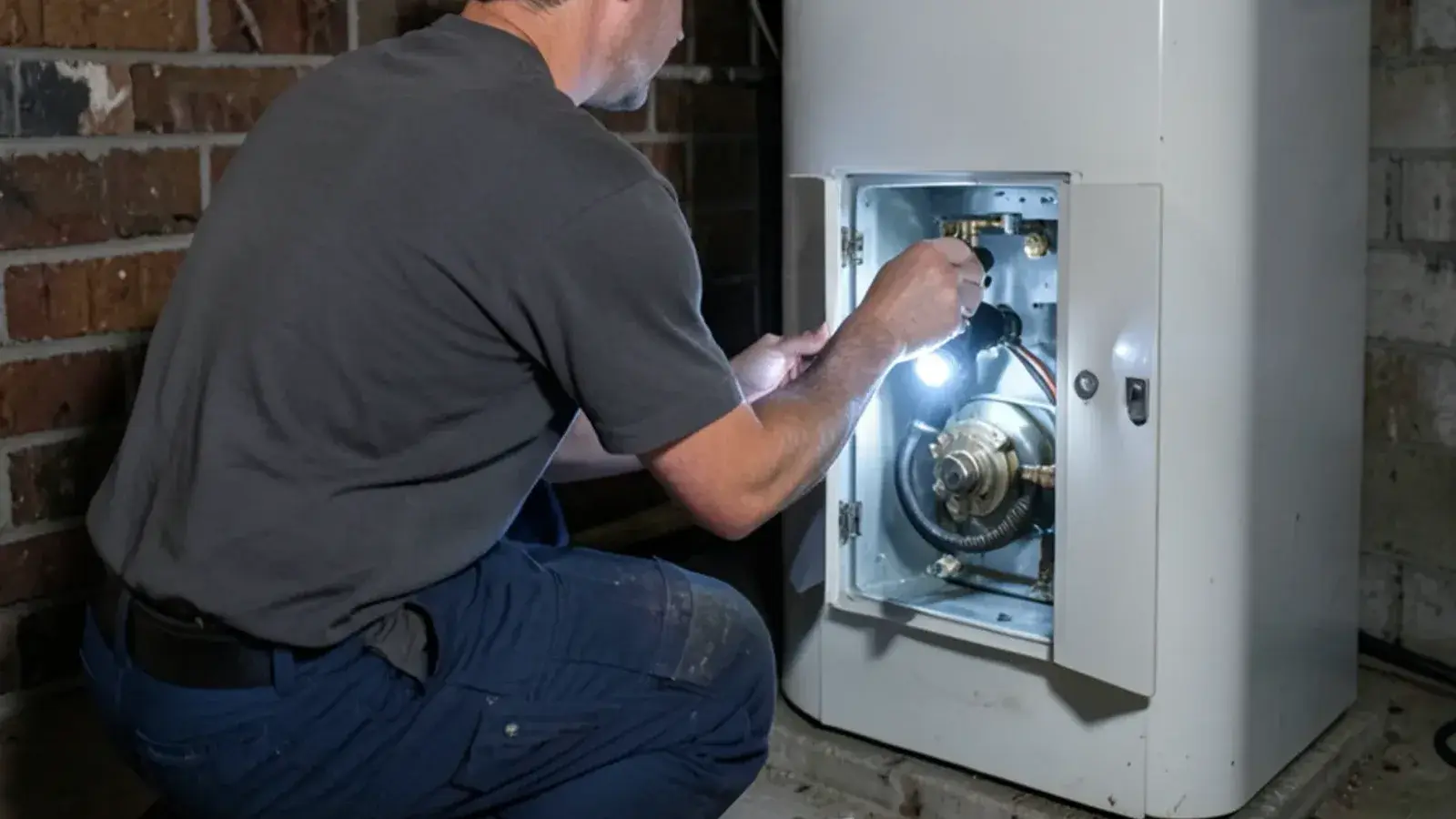
Water heater repair
Finds the failed part on gas or electric tanks and tells you plainly if the tank is done