
By Plumber in Fraser, MI, Fraser, MI · Published · Last updated
Roots don't break into a healthy pipe. They find a joint or hairline crack that's already leaking a little moisture, and they grow toward it. A root thinner than a thread slips through the gap, finds water and nutrients inside, and keeps growing until it forms a mat that catches toilet paper and grease. Older sewer laterals are the usual target. Clay pipe comes in short sections, so a long run has dozens of joints, and every one is a possible way in.
The warning signs roots leave behind
Root problems tend to show up in a pattern. Watch for these:
- The lowest drain in the house, usually a basement floor drain or basement toilet, gurgles or backs up first.
- Several fixtures slow down together instead of one sink or tub.
- A toilet bubbles or its water level jumps when the washing machine drains.
- A backup gets cleared, works for a while, then comes back.
- A strip of lawn over the sewer path stays greener or softer than the rest.
The repeat backup is the strongest clue. A grease clog that gets cleared usually stays gone. Roots grow back from the same joint because the opening is still there.
What a camera shows before anyone picks a fix
Guessing is how people end up paying for the wrong repair. A sewer camera pushed through a cleanout shows where the roots are, how thick they've grown and what shape the pipe is in around them. Fine, hair-like roots at a joint tell a different story than a solid mass that fills the pipe. The camera also catches the problems roots hide, such as cracked bells, joints that have shifted out of line and low spots that hold standing water.
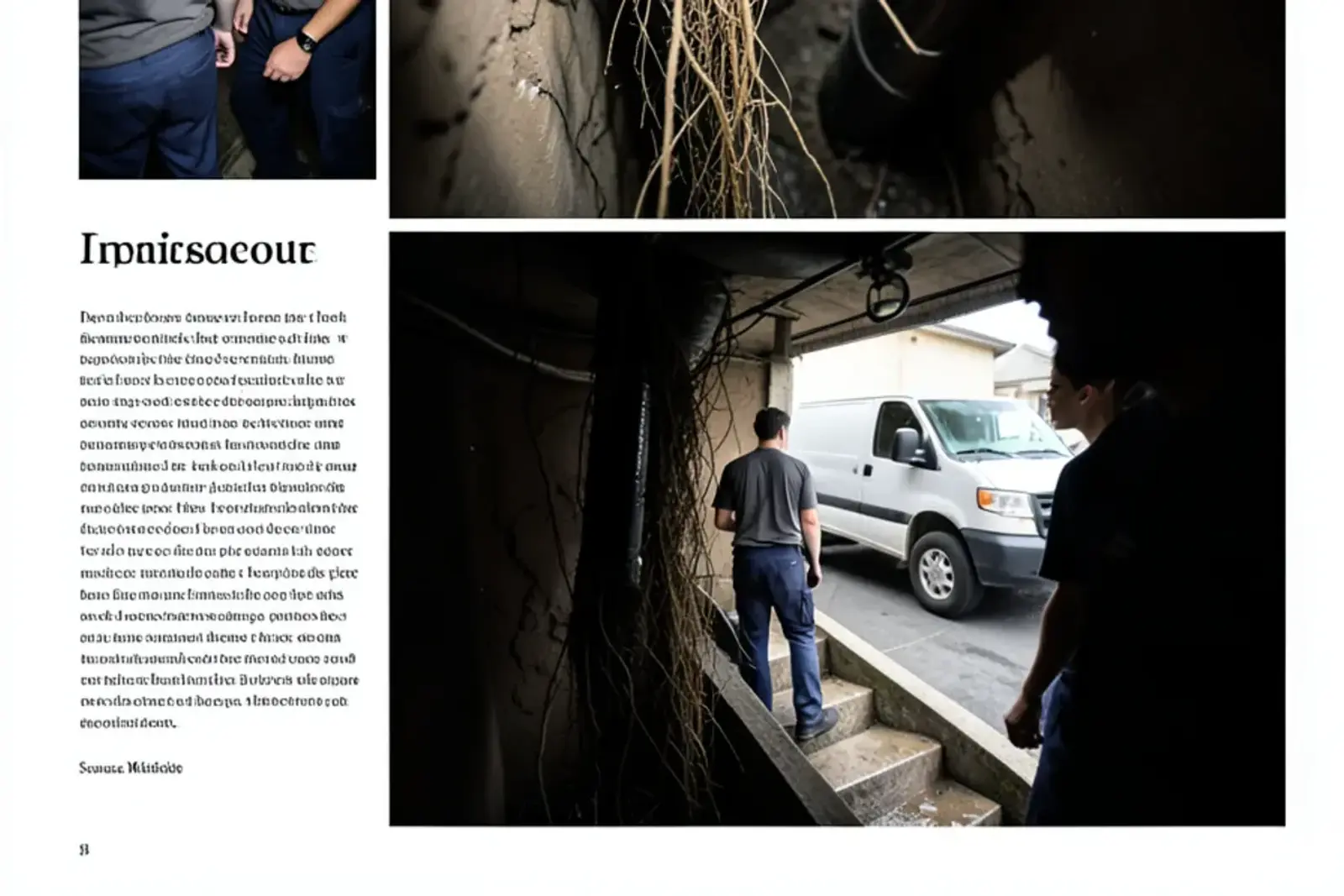
Most camera heads carry a small transmitter, so the footage can be matched to a spot in the yard and a depth. That matters later. It tells you whether the trouble is under the lawn, under the driveway or out past the sidewalk, and how much digging any repair would take.
Root fixes compared side by side
Each fix solves a different version of the problem. This table lines them up.
| Fix | What it does | Good fit when | What it won't do |
|---|---|---|---|
| Cable machine with a root cutter | Spins a cutting blade through the root mass | Light to moderate roots in a sound pipe | Leaves stubs on the pipe wall and the joint open |
| Hydro jetting with a root nozzle | Cuts roots and flushes them and the grease out of the line | Heavier mats, roots mixed with grease or sludge | Fix a cracked, collapsed or sagging pipe |
| Root-control foam treatment | Kills roots it contacts inside the pipe | Follow-up after a line has been cleared | Open a blocked line or seal a joint |
| Lining the pipe | Cures a new resin pipe inside the old one and seals the joints | Pipe still holds its shape | Correct a collapse or a deep sag |
| Section repair | Replaces the damaged run with new pipe | One bad joint or area causes most of the trouble | Protect the old joints that weren't replaced |
| Full replacement | New lateral with tight, glued or fused joints | Many failed joints, cracks or a collapse | Avoid permits, digging or restoration |
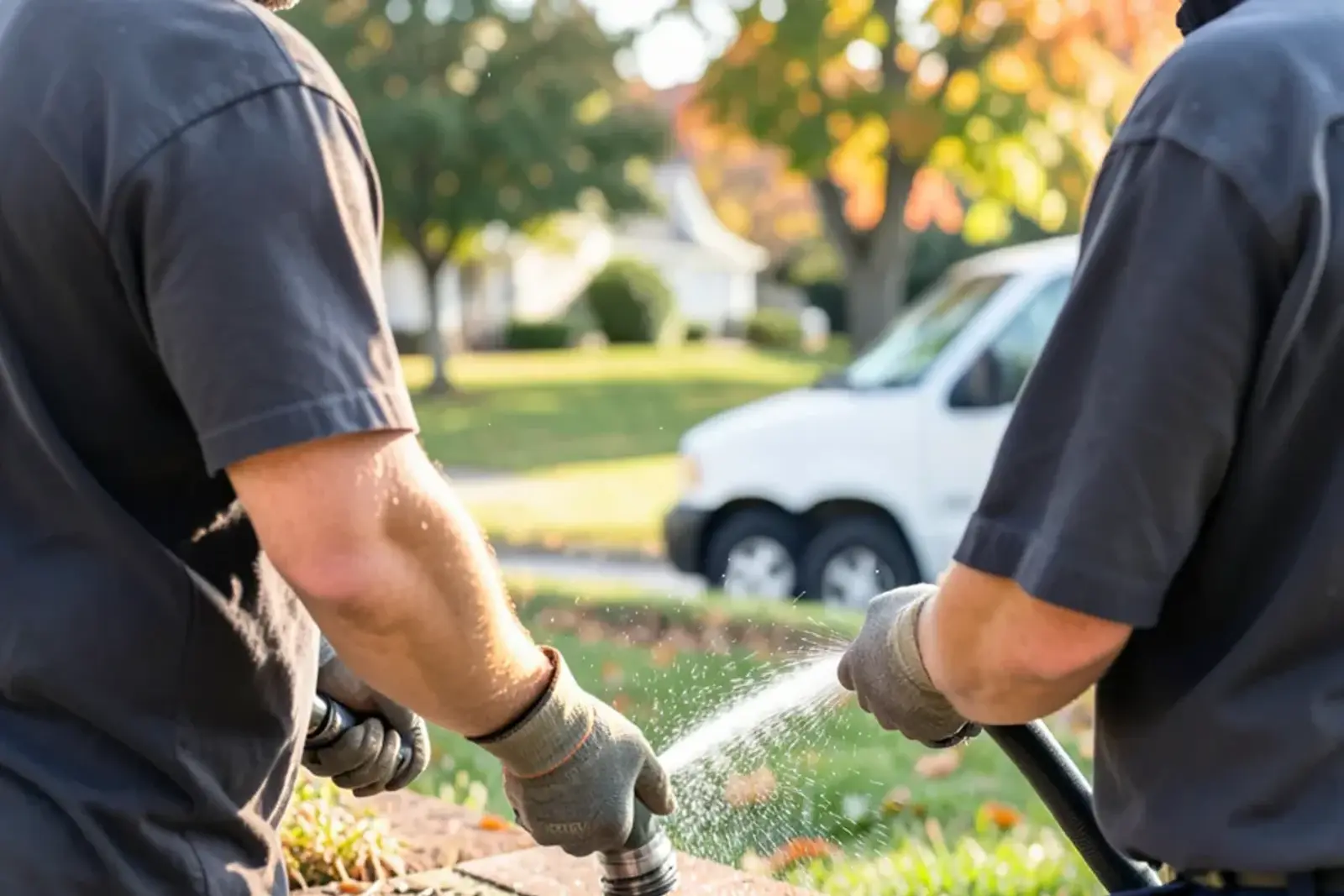
For heavy root growth, hydro jetting service usually does a cleaner job than a cable alone. The nozzle cuts the roots, and the water carries the pieces downstream instead of leaving them to snag the next flush. It still needs a pipe that can take the pressure, which is one more reason the camera goes in first.
How a root-clearing visit usually goes
Find or open a cleanout
The work starts at a cleanout, either inside on the main stack or outside in the yard. If a house has no usable cleanout, adding one makes every future cleaning simpler.
Look before cutting
A quick camera pass shows how far the roots go and whether the pipe is safe to jet or cut.
Clear the line
The cutter or jetting nozzle works through the root mass in passes until water drains freely and the head moves through the full length of the lateral.
Look again and decide
A second camera pass after cleaning shows the bare pipe. This is the footage that settles it. Either you can live with periodic cleaning, or the joints are too far gone.
When roots mean the pipe should be replaced
Cleaning removes roots, and the open joints stay open. If the footage shows cracked or broken pipe, joints pulled apart, or sections that have dropped and hold water, roots will keep coming back and the line may start to fail on its own. That's when sewer line replacement or lining becomes the cheaper path over time. Our post on trenchless versus open-trench sewer replacement explains which method fits which kind of damage.
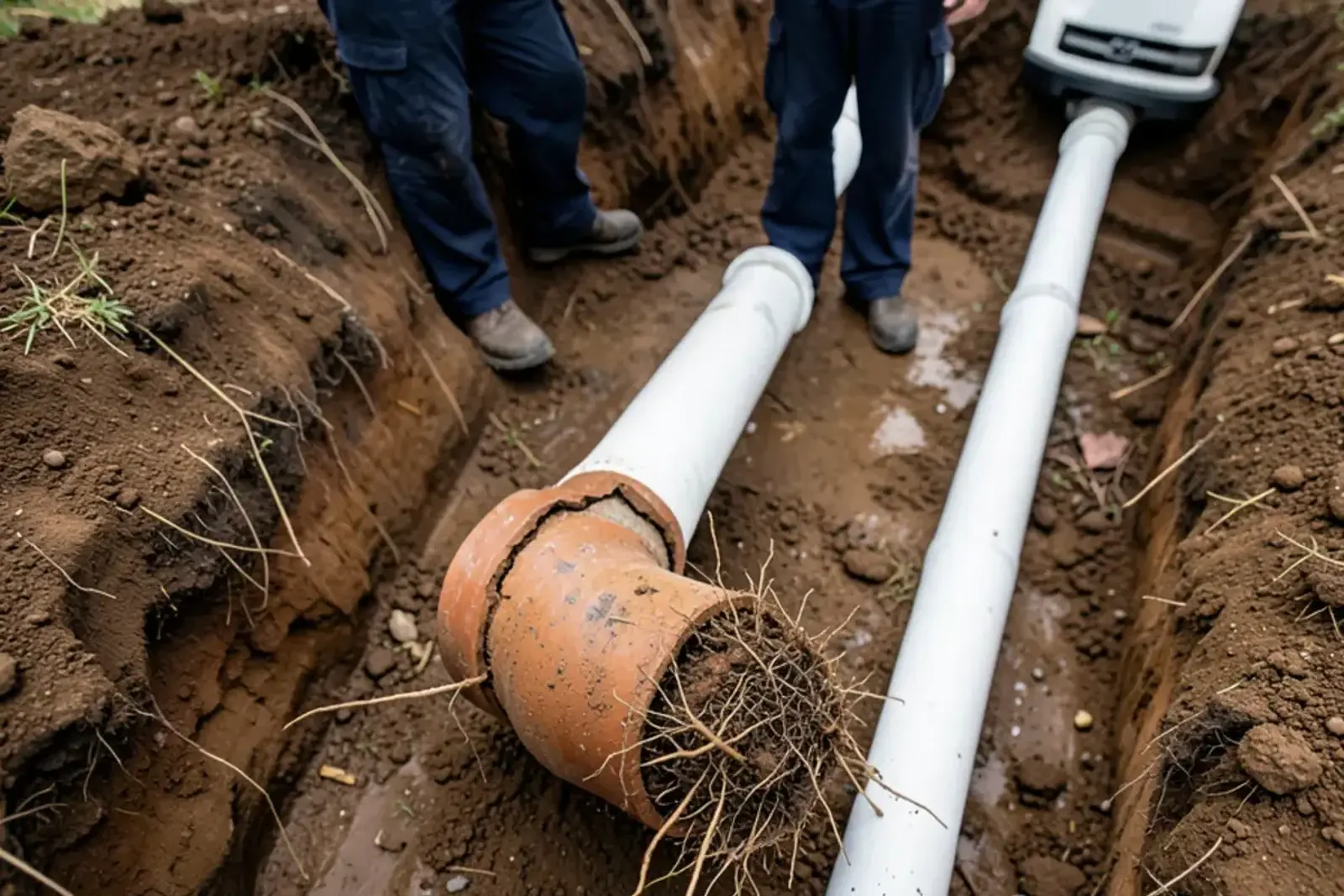
Older neighborhoods with big street and yard trees see this often. If your house is in one of them, our page on plumbing and sewer work in Mount Clemens covers how we handle laterals there from our Fraser base. Census figures put the median Mount Clemens house at 1955, and almost a third were built in 1939 or earlier, so a lot of those laterals have had trees growing beside them for generations.
Keeping roots out once the line is clear
Start by learning where your lateral runs. The camera's locator marks can be painted on the lawn, and a quick sketch with measurements from the foundation is worth keeping with your house papers.
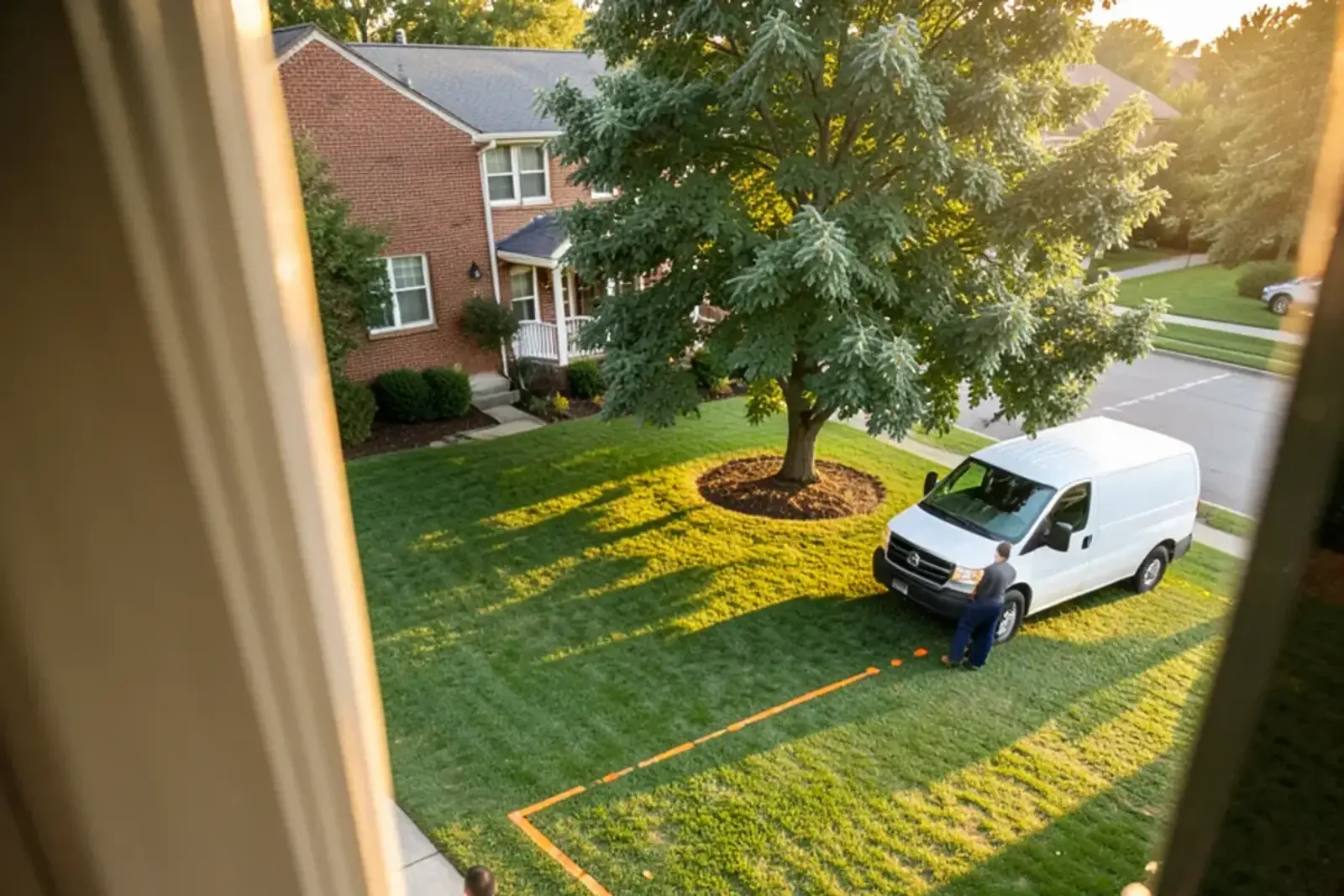
Plant new trees well away from that path, and favor smaller species near it. MISS DIG 811 asks you to call before any digging project, regardless of size or depth, so contact MISS DIG 811 at least three business days before you put a shovel in the ground. Know its limits, though. MISS DIG says lines not installed by a utility company won't be marked, and your private sewer lateral falls in that group.
If your line can't be replaced yet, schedule cleanings based on what the camera showed rather than waiting for a backup. Ask your city where your responsibility for the lateral ends. In many cities it runs all the way to the main, and that includes the stretch under the sidewalk or street.
What we see in Macomb County laterals with roots
Roots rarely spread evenly along a lateral. They cluster at a few joints: often the first ones outside the foundation, the stretch beside a parkway tree and any spot where two materials meet. Fraser's permit fee schedule has its own line for "crock to iron" sewer repairs, using the city's word for clay tile, and that clay-to-cast-iron transition is a favorite entry point. Clinton Township ran a sewer lead assistance program aimed at homes built in 1974 or earlier with vitrified clay leads, which says a lot about how much clay is still in the ground around here.
There are honest trade-offs at each step. Jetting clears more than a cable, but nobody should jet a lateral they haven't seen, because a cracked clay section can't take the same treatment as sound pipe. Lining stops roots at the joints it covers, yet it can't fix a belly, and it needs a line clean enough to bond to. Repeated cleaning is cheaper in any one year. Over several years of cleaning the same line, the totals start to look like the price of a permanent fix.
Ownership raises the stakes. Fraser's lateral handout says the owner must keep the building sewer free of roots, grease and sand all the way to the main, at the owner's expense, and is liable for damage that results from failing to. It recommends an inspection every 5 to 10 years. If roots are already showing up, look sooner.
After every root cleaning, write down the date, the method, how far from the cleanout the roots were and whether you got footage. Three or four entries in, the log shows if the roots are under control or only being trimmed on a schedule.
Clean it, line it or replace it?
Start with a camera inspection, because every answer after that depends on the footage.
- If fine roots sit at one or two joints in pipe that's round and lined up, clean it, then schedule the next look based on how fast they return.
- If roots come through many joints in pipe that still holds its shape, ask about lining, and compare that price against several more years of cleaning.
- If the pipe is cracked, separated, collapsed or sagging, plan a section repair or full replacement, and ask whoever quotes it who pulls the permit and how the work near the street will be handled.
If you don't have recent footage, a sewer line inspection is the place to begin. Owners in Clinton Township with a pre-1975 clay lead should ask the township whether any future phase of its repair program is open before signing for a replacement.
Questions about tree roots in sewer line
Will a root killer from the hardware store clear my sewer line?
No. Foaming root-control products are meant to treat roots that remain after a line has been cleared, and they won't open a blocked pipe. If water is already backing up, the roots have to be cut or jetted out first. After that, a treatment can slow regrowth at the joints. Follow the label exactly, and keep in mind the open joint that let the roots in is still there.
How often does a sewer line with roots need cleaning?
It depends on how big the gaps at the joints are and how close the tree is. Some lines go a long time between cleanings, and others back up again within a season or two. The best guide is camera footage taken right after a cleaning, then a second look later to see how fast the roots return. If you're cleaning often, compare that ongoing cost with lining or replacement.
Do roots in my sewer line mean I have to dig up the yard?
Not always. Light roots in a pipe that's otherwise sound can be cleared and managed with periodic cleaning. A pipe that holds its shape can often be lined from the inside. Digging is usually needed where the pipe has collapsed, separated badly at a joint or sagged enough to hold water, or where a full replacement is the better long-term choice.
Who pays when roots from a street tree get into my sewer line in Fraser?
Plan on it being you. Fraser's private sewer lateral handout makes the owner responsible for the whole building sewer, including the stretch in the public right-of-way, and names tree roots as something the owner has to keep out of it. The handout doesn't carve out an exception for a tree the city planted, so ask Public Works directly before assuming otherwise.
Fraser plumbing services for this problem
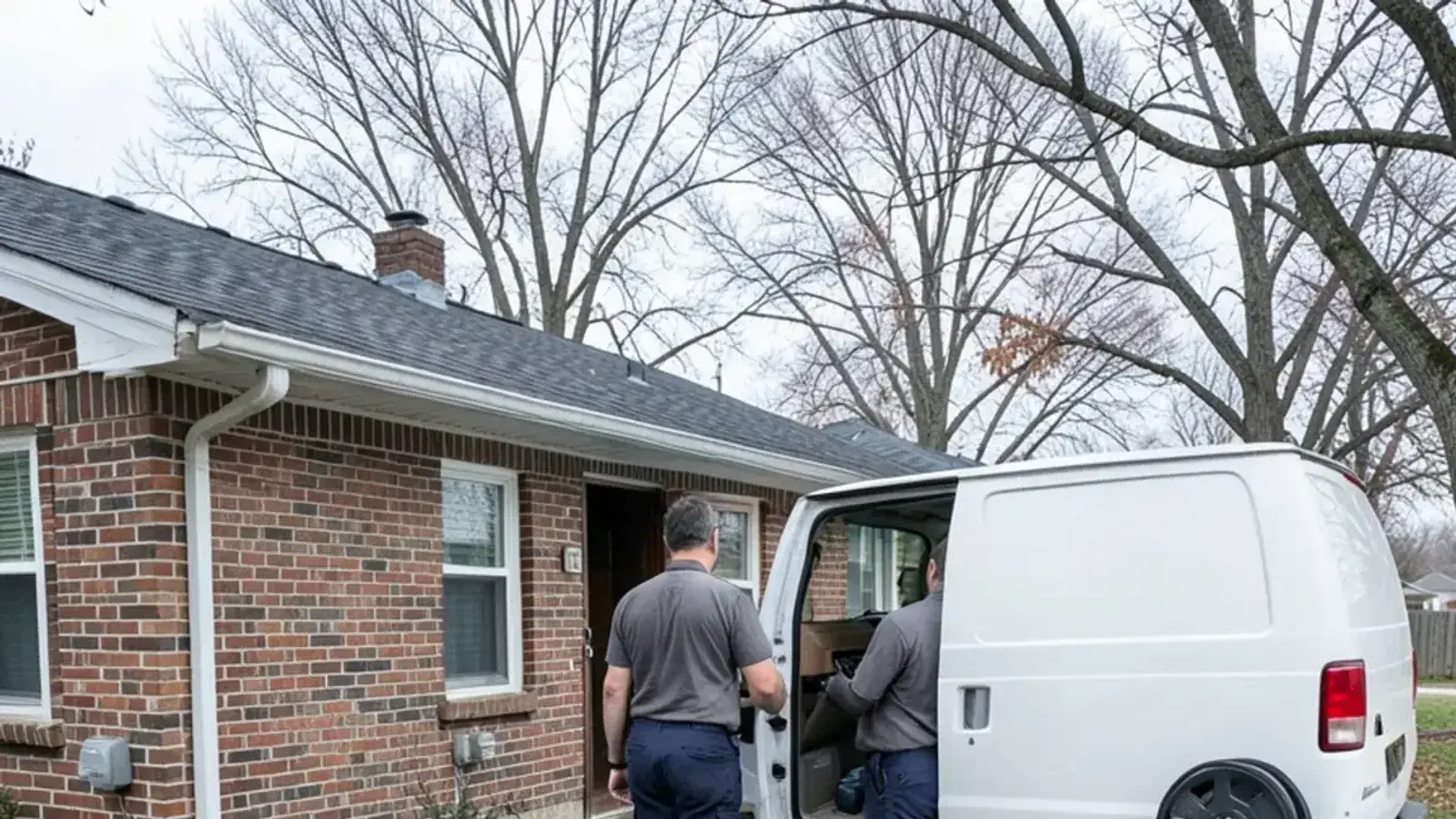
Hydro jetting
Scours grease, scale and roots off the pipe wall, with camera footage before and after
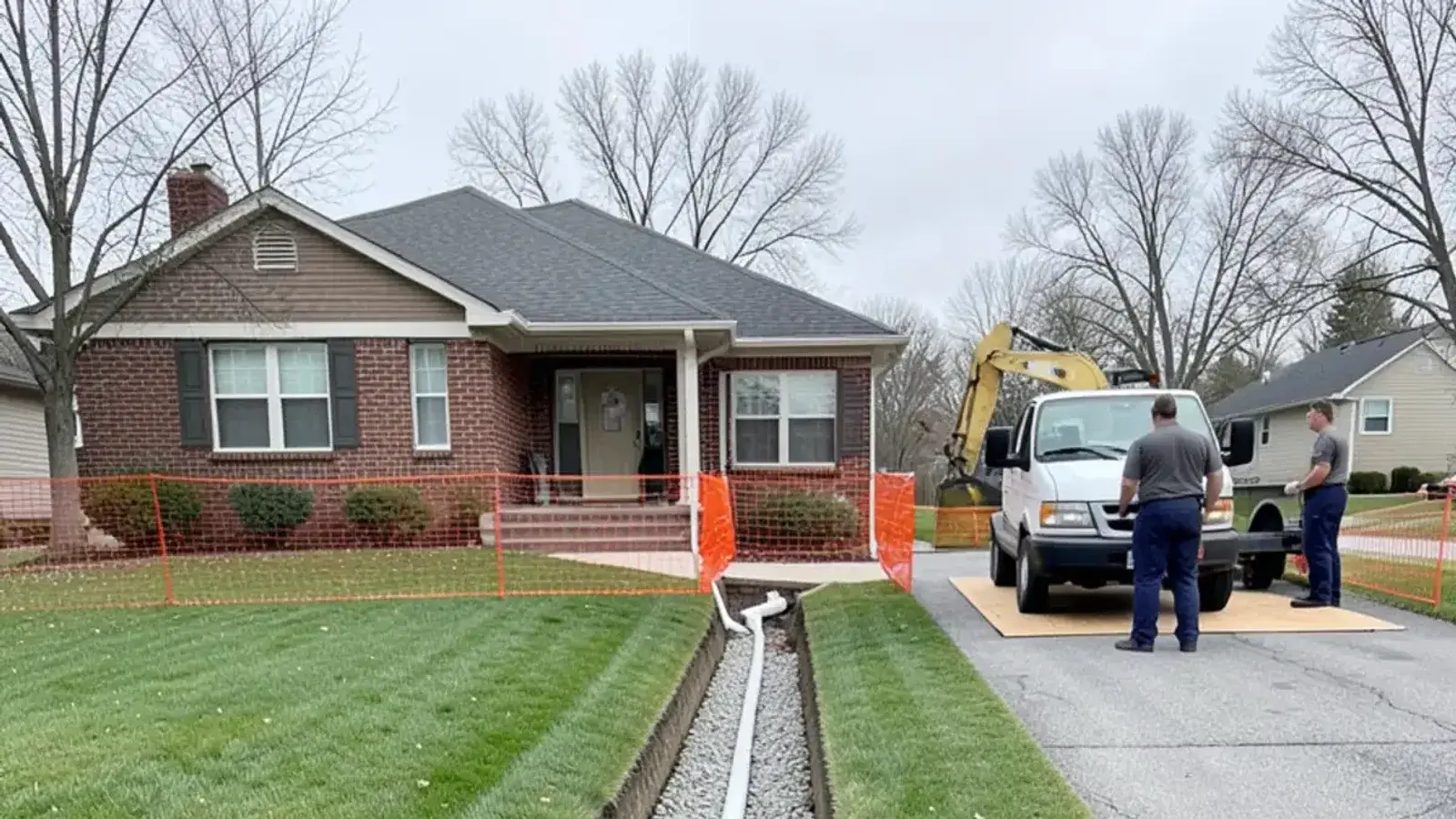
Sewer line replacement
Open trench, pipe bursting or lining, chosen from the camera footage instead of a sales pitch
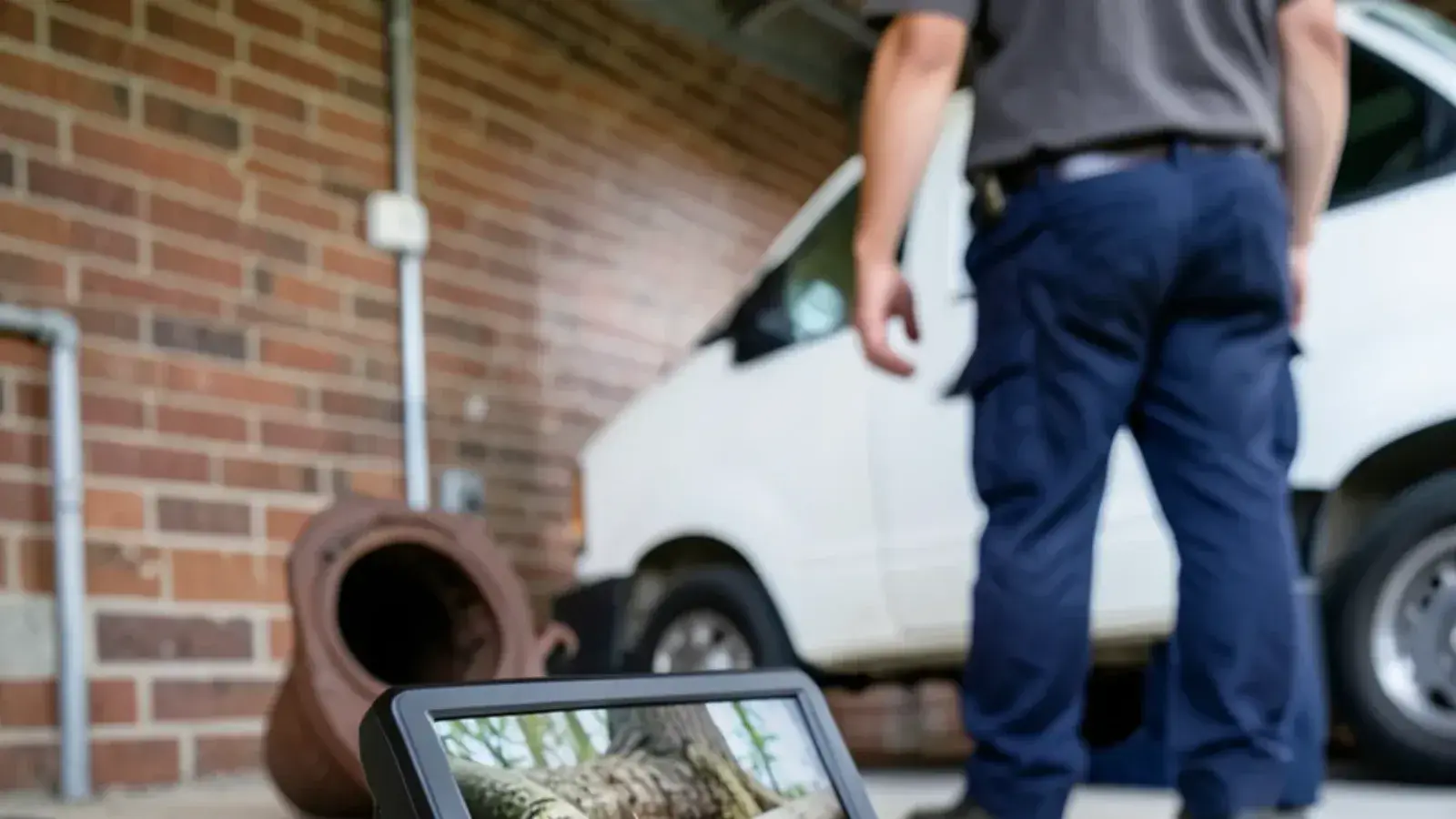
Sewer inspection and line repair
Live camera footage of your lateral, with defects located and marked from the surface